Facebook
 X
X
 Pinterest
 Copy Link
How to Choose the Right Realtor: What Really Matters

Choosing a Realtor can feel deceptively simple.
You may already know an agent. A friend may recommend someone. You might find a Realtor through Google, social media, a listing you saw online, or an open house. And because there are plenty of agents to choose from, it can be tempting to assume they all essentially provide the same service.
They don’t.
Real estate transactions involve far more than opening doors, putting a property in the MLS, or writing an offer. There are ethics involved, pricing decisions, negotiations, inspections, financing, appraisals, deadlines, contracts, unexpected problems, personalities, and sometimes some very emotional decisions along the way.
The Realtor you choose will be beside you through all of it.
So whether you’re buying your first home, selling a property you’ve owned for decades, relocating, investing, or trying to coordinate a sale and purchase at the same time, choosing the right Realtor deserves more consideration than simply asking, “Who do I know who’s in real estate?”
Here is what I believe really matters.
Start With Communication and Responsiveness
One of the first things I would evaluate is how an agent communicates with you.
And responsiveness isn’t simply about answering a phone quickly.
A good Realtor should be able to explain complicated information in a way that makes sense, tell you what is happening and what happens next, answer questions without making you feel like you’re bothering them, and communicate proactively rather than waiting for you to ask for an update.
Pay attention to your earliest interactions.
Do they listen?
Do they answer the question you actually asked?
Do they explain their process?
Do they ask questions about your goals before they start telling you what you should do?
Those early conversations can tell you quite a bit about what working together may look like later.
Communication becomes especially important once you’re under contract. In The Top Reasons Deals Fall Apart (and How to Avoid Them), I discussed how many different pieces have to come together between contract and closing. Good communication among the buyer, seller, agents, lender, title company, inspectors, appraiser, and other professionals can make an enormous difference when something unexpected happens.
You don’t want to discover how your Realtor communicates for the first time when there’s a problem.
Look for Strategy, Not Just Activity
There is a difference between an agent who is busy and an agent who is strategic.
A Realtor’s job isn’t simply to complete tasks. It’s to help you understand your options and think through the consequences of different decisions.
For buyers, strategy might involve deciding:
- how aggressively to structure an offer;
- whether a higher-days-on-market property presents an opportunity;
- which contingencies matter;
- when to negotiate and when not to;
- how a particular property fits your long-term goals; or
- whether waiting actually improves your position.
For sellers, strategy may involve pricing, preparation, presentation, timing, marketing, showing feedback, negotiations, and knowing when the market is telling us something needs to change.
This is one reason I wrote Proactive vs. Reactive Listing Agents: Why It Matters When Selling Your Home. Putting a home on the market is an action. Developing a strategy for what happens before and after it hits the market is representation.
The same principle applies to buyers.
A good Realtor shouldn’t simply ask, “Do you want to write an offer?”
They should help you understand what you’re considering.
Experience Matters — But Ask What That Experience Has Taught Them
Years in the business and number of transactions absolutely matter. Experience exposes an agent to different properties, negotiations, market conditions, financing situations, inspections, appraisal issues, and problems that aren’t covered in a textbook.
I’ve completed over 150 home sales, and one of the greatest benefits of that experience isn’t simply the number itself.
It’s pattern recognition.
After enough transactions, you begin recognizing potential issues earlier. You know which questions to ask. You understand that something unusual doesn’t automatically mean something is disastrous, but you also know when something deserves closer attention.
That’s why I often look at real estate situations on a spectrum—from the rainbows-and-unicorns scenario all the way to the worst-case scenario.
Most situations land somewhere in between.
The goal isn’t to scare clients or sugarcoat things. It’s to identify possibilities, gather information, and make a thoughtful decision.
That’s also part of the thinking behind The Best House Might Be the One Everyone Else Missed. Experience can help distinguish between a property that deserves additional investigation and one that other buyers may simply have overlooked.
The question isn’t only:
“How much experience do you have?”
It’s also:
“How does your experience change the way you advise me?”
That’s a much more revealing conversation.
Market Knowledge Should Go Beyond Knowing Recent Sales
Local market knowledge is important, but it shouldn’t be confused with memorizing statistics.
A Realtor should understand what those numbers mean in practice.
What are buyers responding to?
How much negotiating room are we actually seeing?
Are certain price ranges behaving differently?
What happens when a home sits longer than expected?
How are different property types performing?
What are buyers noticing during showings?
That last question matters more than many sellers realize. In The Psychology of Homebuying: How Buyer Perception Shapes Every Showing, I explored how buyers experience a home and how seemingly small details can influence their perception of value.
Market knowledge combines data with what an experienced agent is actually seeing in homes, negotiations, showings, offers, and conversations with consumers.
Pay Attention to Whether They’re Willing to Tell You Something You Don’t Want to Hear
This may be one of the most important qualities to look for.
Your Realtor should not be a yes-person.
Sometimes the best advice isn’t the advice you hoped to receive.
A seller may want to price higher than the market supports.
A buyer may become emotionally attached to a property with concerns that deserve careful consideration.
Someone may want to make an improvement before selling that probably won’t produce the return they expect.
A buyer may technically qualify for more house than they comfortably want to afford.
There are plenty of situations where the easiest response for an agent would be to simply agree.
But representation isn’t about agreement.
It’s about giving you enough information to make an informed decision—even when that means having an uncomfortable conversation.
My clients ultimately make their own decisions. My responsibility is to help them understand the possibilities, risks, opportunities, and consequences surrounding those decisions.
That’s the difference between being told what you want to hear and being properly advised.
Personality Fit Matters More Than People Admit
You don’t need to become best friends with your Realtor.
But you should feel comfortable working with them.
Buying or selling a home can mean weeks or months of communication. There may be stressful moments, unexpected changes, difficult negotiations, and decisions involving a substantial amount of money.
You should be able to ask questions.
You should feel comfortable disagreeing.
You should be able to say, “I don’t understand.”
And perhaps most importantly, you should trust that the person advising you is focused on your goals rather than simply getting the transaction closed.
Different clients also want different communication styles.
Some want every detail.
Others want the important points summarized.
Some want frequent conversations.
Others prefer communication only when something requires their attention.
There isn’t one correct style.
The important question is whether your Realtor can adapt their service to the way you need to work.
Interview More Than One Realtor If You Need To
You are allowed to interview agents.
In fact, for many consumers, it’s a very good idea.
The purpose isn’t necessarily to find the agent who gives you the answers you like best. It’s to understand how different Realtors approach the job.
Ask them how they communicate.
Ask what their process looks like.
Ask how they handle problems.
Ask sellers how they determine pricing and what happens if the initial strategy isn’t producing results.
Ask buyer agents how they help clients evaluate properties and structure offers.
Ask what happens after you’re under contract.
And ask them what they think their role is in your decision-making process.
That answer alone can tell you quite a bit.
If you’re selling, interviewing more than one listing agent can be especially helpful. A listing presentation shouldn’t simply be a competition over who suggests the highest list price or presents the flashiest marketing package. Instead, pay attention to how each agent thinks: how they arrive at their pricing recommendation, how they plan to position your home, how they’ll communicate with you, and what their strategy is if the market doesn’t respond as expected.
You are choosing the person who will help you navigate the entire sale.
Don’t Choose a Realtor Based Solely on the Highest Suggested List Price
This deserves its own section.
If you’re interviewing agents to sell your home and three Realtors suggest three different price ranges, the agent suggesting the highest number isn’t automatically the best choice.
Ask why.
What comparable properties support that price?
What adjustments were considered?
What is happening in your specific market segment?
What would the strategy be if buyers don’t respond?
As a Pricing Strategy Advisor (PSA), I believe pricing should be a conversation supported by market evidence—not a number selected because it sounds appealing.
An ambitious price doesn’t create market value.
The market still gets a vote.
This is also why automated estimates only tell part of the story, something I discussed in Why ‘Zestimate’ Isn’t the Full Story (and What Actually Determines Value).
Your Realtor should be able to explain the reasoning behind their recommendation rather than simply hand you a number.
Don’t Choose Based Solely on Commission, Either
Cost matters. Of course it does.
But when comparing Realtors, make sure you’re also comparing the actual service, experience, strategy, communication, marketing, availability, negotiation approach, and representation being offered.
Two agents can charge differently because they may be providing very different services.
Rather than asking only, “What do you charge?”
Ask:
“What am I receiving, and how will you represent me?”
Then evaluate the entire picture.
Ask What Happens When Something Goes Wrong
This might be my favorite interview question.
Real estate rarely follows a perfectly straight line.
Inspections uncover things.
Appraisals come in unexpectedly.
Financing changes.
Buyers get nervous.
Sellers reconsider decisions.
Timelines shift.
Contract issues appear.
Another property suddenly comes onto the market.
That’s why choosing a Realtor based entirely on what happens when everything goes right doesn’t tell you enough.
Ask:
“Tell me about a transaction that became complicated. What happened, and how did you handle it?”
You’re not necessarily looking for a dramatic rescue story.
You’re listening for how that agent thinks.
Do they gather information?
Do they communicate?
Do they identify options?
Do they collaborate with the other professionals involved?
Do they stay calm enough to actually solve the problem?
Negotiation is often part of that process, which is why I wrote The Art of Negotiation: What Really Happens Behind the Scenes. Good negotiation isn’t always about making dramatic demands. Often, it’s about understanding everyone’s position well enough to find a workable path forward.
Look at Reviews — But Read Them, Don’t Just Count Them
Online reviews can be incredibly useful when evaluating Realtors.
But don’t stop at the star rating.
Read what former clients actually say.
Look for patterns.
Do clients repeatedly mention communication?
Problem-solving?
Knowledge?
Patience?
Negotiation?
Honesty?
Feeling prepared?
Those recurring themes tell you much more about someone’s service than the number beside the stars.
And pay particular attention to reviews describing situations similar to yours.
Someone relocating from another state may value different aspects of an agent’s service than someone selling a longtime family home. A first-time buyer may need a different level of education than someone purchasing their fifth property.
The right Realtor should have a process while still recognizing that your transaction isn’t interchangeable with everyone else’s.
A Few Questions Worth Asking Before You Choose
You don’t need to conduct a two-hour job interview.
But these questions can lead to meaningful conversations:
- How will we communicate, and how often?
- What does your process look like from beginning to end?
- How do you help clients make decisions?
- What happens when we disagree?
- How do you approach negotiation?
- How do you handle unexpected problems?
- How does your experience benefit me specifically?
- What do you expect from your clients?
- Who will I actually be communicating with throughout the transaction?
- What makes your approach different?
- What happens after I sign an agreement with you?
Listen to more than the answer.
Pay attention to whether the Realtor takes the time to explain it.
FAQs About Choosing a Realtor
Should I interview multiple Realtors?
You certainly can. Interviewing multiple agents can help you compare communication styles, experience, strategy, services, and personality fit. The goal isn’t necessarily to interview as many people as possible; it’s to feel confident that you understand who you’re hiring and how they will represent you.
Should I use a friend or family member who is a Realtor?
Possibly—but the relationship alone shouldn’t make the decision. Evaluate them using the same standards you would any other professional. Consider their experience, knowledge, availability, communication style, service area, and whether you’re comfortable having candid financial and strategic conversations with them.
Is the Realtor with the most sales automatically the best?
Not necessarily. Transaction experience is valuable, but production numbers alone don’t tell you how an agent communicates, advises clients, solves problems, or manages their workload. Ask how their experience will specifically benefit your transaction.
How important is local experience?
Local knowledge can be extremely valuable because real estate conditions can vary substantially by area, price range, and property type. An agent should understand both the available market data and what is happening on the ground with buyers, sellers, properties, and negotiations.
Should buyers and sellers choose Realtors differently?
Some of the core qualities are the same: communication, experience, honesty, market knowledge, negotiation skills, and strategic thinking. But you’ll also want to evaluate experience specific to your needs. Sellers should explore pricing, preparation, marketing, and listing strategy, while buyers should understand how the agent approaches property evaluation, offers, inspections, negotiations, and the contract-to-closing process.
How do I know if a Realtor is the right personality fit?
You should feel comfortable asking questions, expressing concerns, disagreeing, and discussing your priorities openly. You don’t need identical personalities. You need mutual respect, clear communication, and confidence that the agent understands your goals.
Closing Thoughts
Choosing the right Realtor isn’t about finding someone who will agree with everything you say.
And it isn’t necessarily about finding the biggest name, the highest sales number, the lowest fee, or the person who promises you the most.
You’re choosing an advisor for a transaction that may involve one of your largest financial assets.
Look for someone who communicates.
Someone who thinks strategically.
Someone whose experience has taught them how to recognize opportunities and anticipate problems.
Someone who understands the market but is still willing to investigate rather than assume.
Someone who will tell you the truth even when the easier answer would be more comfortable.
And someone whose personality and communication style allow you to work together effectively.
After over 150 home sales, I’ve learned that no two transactions are exactly alike. The properties change. The markets change. The problems change. And most importantly, the people and their goals change.
That’s why good representation isn’t simply about knowing real estate.
It’s about knowing how to guide people through real estate.
Your Goals. Strategic Guidance. Empowered Decisions.
Should You Wait to Buy a Home? How to Know When the Timing Is Right
“Should I buy now, or should I wait?”
It may be one of the most common questions buyers ask—and unfortunately, it is also one of the questions most likely to receive an oversimplified answer.
Wait until mortgage rates fall.
Buy before prices go higher.
Wait for the market to change.
Buy before everyone else jumps back in.
There is always going to be someone confidently predicting what buyers should do next. But buying a home is far too personal—and far too significant a financial decision—to base it entirely on a market prediction.
The better question is not simply “Is now a good time to buy?”
It is:
“Is now a good time for you to buy?”
Those are two very different questions.
Waiting Can Be the Right Decision
I am a real estate agent, and I will absolutely tell someone when I think waiting makes sense.
Buying a home should not happen simply because you technically qualify for a mortgage.
You may benefit from waiting if you need time to improve your credit, strengthen your savings, reduce debt, establish more stable income, or simply figure out where you want to be for the next several years.
You may also realize after looking at the numbers that buying would leave you without enough financial breathing room.
That matters.
As I discussed in How Much Home Can You Actually Afford vs. What You Should Spend, purchasing power is not necessarily about spending everything a lender says you can spend. It is about understanding the options available to you and choosing the one that supports the life you actually want to live.
Sometimes the smartest option is buying.
Sometimes it is waiting.
The important part is understanding why you are making that decision.
But Waiting for the “Perfect Market” Is Different
There is another kind of waiting I see frequently.
A buyer is financially prepared. Their employment is stable. They have savings. Their monthly budget works. They know where they want to live.
But they keep waiting because they believe something better is just around the corner.
Maybe mortgage rates will fall.
Maybe home prices will drop.
Maybe inventory will increase.
Maybe competition will disappear.
Any of those things could happen.
The problem is that housing markets rarely change one variable at a time.
Mortgage rates could fall while buyer competition increases.
Inventory could improve while prices continue appreciating.
A lower interest rate could bring buyers who have been sitting on the sidelines back into the market at exactly the same time.
Trying to predict one number without considering everything else affecting the housing market can create a false sense of certainty.
The Cost of Waiting Is Not Just About Mortgage Rates
Mortgage rates understandably receive a tremendous amount of attention because they directly affect monthly payments and purchasing power.
But your interest rate is only one part of the equation.
Home prices matter, too.
Imagine that you are comfortable purchasing a certain type of home today but decide to wait solely because you hope rates will improve.
If home values appreciate during that time, the same house may cost more when you return to the market.
That creates an important distinction:
Waiting until you are ready can be a smart financial strategy. Waiting after you are ready because you are hoping to perfectly time the market can carry its own financial risk.
What fits comfortably within your budget today may not necessarily fit the same way a year or two from now.
And unlike rent, which can increase at renewal, a fixed-rate mortgage provides considerably more predictability in the principal-and-interest portion of your housing payment. Property taxes, insurance, HOA fees and other housing expenses can certainly change, but the basic mortgage payment on a fixed-rate loan does not rise simply because housing costs around you do.
That long-term stability is one of the reasons I often describe homeownership as living in a savings account.
You need somewhere to live either way. When you own, part of your housing payment can gradually build equity in an asset you own.
You Do Not Have to Start With the Forever Home
Another reason buyers sometimes wait is because the home they ultimately envision feels out of reach today.
That does not necessarily mean homeownership itself is out of reach.
I am a big believer in stepping-stone properties.
Your first home does not have to be the home you live in forever. A townhouse, condo, smaller home, different neighborhood, or property that needs some cosmetic updating may give you an opportunity to enter the market, begin building equity and create more options for your next move.
This is closely connected to the strategy behind The Best House Might Be the One Everyone Else Missed.
The goal is not always to compete for the most obvious house.
Sometimes the better opportunity comes from looking differently at the homes already available and figuring out which properties actually accomplish your goals.
Buying Is About More Than Today’s Market
There is another piece of the conversation that gets lost when we focus exclusively on rates and prices:
How long do you expect to own the home?
Real estate is generally a longer-term decision.
If you buy a home and need to sell again almost immediately, transaction costs and short-term market fluctuations matter significantly.
But if you expect to own the property for years, today’s market conditions become one chapter in a much longer story.
Historically, real estate has been an important way households build wealth over time—not because home values increase every single year, but because long-term ownership creates opportunities to build equity through principal reduction and potential appreciation.
That is why the decision deserves more context than simply asking whether today’s mortgage rate is higher or lower than it was a few years ago.
What Happens If Rates Fall After You Buy?
This is another concern I hear from buyers:
“What if I buy now and rates drop?”
It is a fair question.
Depending on your loan, financial situation and future market conditions, refinancing may eventually be an option if rates decline enough to make the costs worthwhile.
What you generally cannot do is go backward and purchase today’s house at today’s price after values have increased.
That does not mean buyers should rush into purchasing because they are afraid of being priced out.
Fear is not a strategy.
It simply means both sides of the decision deserve consideration.
There is potential cost associated with buying before you are ready.
There can also be potential cost associated with waiting after you are ready.
Your Purchasing Power Is Really About Options
One of my core philosophies with buyers is that purchasing power is not about how much you can spend.
It is about how many options you have.
If you are approved for more than you intend to spend, wonderful. That does not mean we need to spend it.
It means we have room to strategize.
Maybe we can look at a stronger location.
Maybe we can consider a property with features that could support you longer.
Maybe we intentionally stay well below your maximum because maintaining financial flexibility is more important to you.
Maybe we look at a stepping-stone property that allows you to start building equity without stretching your monthly budget.
Understanding the full range of your options makes it much easier to determine whether buying now—or waiting—is actually the better choice.
Don’t Let Headlines Make a Personal Financial Decision for You
Housing headlines have an impossible job.
They are trying to summarize an enormous national housing market in a sentence.
But you are not buying the national housing market.
You are buying one house, in one location, at one price, with one financing structure, based on your own finances and goals.
Here in Winchester, throughout the Shenandoah Valley, and across the Eastern Panhandle of West Virginia, conditions can vary significantly by location, price point and property type.
A national article saying buyers should wait—or rush to buy—cannot tell you whether a particular property makes sense for you.
That requires looking at the actual numbers.
So, Should You Wait to Buy?
Maybe.
And I mean that sincerely.
If buying today would strain your finances, if your life is likely to change significantly soon, if your savings need work, or if you simply are not ready for the responsibilities of homeownership, waiting may be exactly the right decision.
But if you are financially prepared, comfortable with the payment, planning to stay in the area, and have found properties that meet your needs, waiting solely because you hope the market will eventually deliver the perfect combination of lower prices and lower rates deserves a closer look.
Rather than asking:
“What is the market going to do?”
I would rather help you answer:
“What are my options right now, and how do those options compare with waiting?”
That is a question we can actually evaluate.
Frequently Asked Questions
Is it better to wait until mortgage rates go down to buy a house?
Not necessarily. Lower mortgage rates can improve affordability, but they can also bring more buyers into the market and increase competition. Home prices may also change while you wait. Your decision should consider the entire financial picture rather than mortgage rates alone.
Will home prices go down if I wait?
No one can guarantee future home prices. Real estate markets vary by location, price range and property type. Rather than relying on a prediction, look at current local conditions and determine whether today’s available homes and payments work for your situation.
What if I buy a home and mortgage rates drop later?
Depending on your loan, finances and future interest rates, refinancing may be an option. Refinancing has costs and is never guaranteed to make financial sense, so it should not be assumed when purchasing. It is simply one potential option if conditions change.
How do I know if I am financially ready to buy a house?
Financial readiness involves more than qualifying for a mortgage. Consider your savings, monthly payment comfort level, existing debt, credit, emergency reserves, expected length of ownership and other financial goals. A good lender can help establish the numbers, while a real estate agent can help translate those numbers into realistic housing options.
Should I buy a starter home instead of waiting for my dream home?
For some buyers, yes. A smaller home, townhouse, condo or other stepping-stone property can provide a way to begin building equity while working toward longer-term goals. Whether that strategy makes sense depends on your budget, expected ownership timeline and local market.
Is renting better than buying while mortgage rates are high?
It depends on your finances, lifestyle and expected timeline. Renting can offer flexibility and may be the better choice for someone who is not ready to stay in one place. Homeownership can provide greater housing-payment stability and the opportunity to build equity. I explore this decision more fully in Renting vs. Buying: What Makes Sense for You?
How long should I plan to stay in a home after buying?
There is no universal minimum because appreciation, transaction costs and individual circumstances vary. Generally, the shorter your expected ownership period, the more carefully you should evaluate the costs of buying and selling against the potential benefits of ownership.
Closing Thoughts
I do not believe every person who can buy a house should immediately buy one.
I also do not believe buyers should put their lives indefinitely on hold while trying to predict the perfect market.
My job is not to convince you that now is always the right time to buy. It is to help you understand what buying looks like for you right now—the payment, the available homes, the risks, the opportunities and the alternatives.
Then we can compare that with what waiting may accomplish.
Sometimes that conversation ends with, “Let’s start looking.”
Sometimes it ends with, “Let’s revisit this in six months.”
Either answer can be the right one.
Because the goal isn’t simply to buy a house.
The goal is to make a decision you understand, can comfortably support, and feel confident about long after the closing table.
Top ROI Renovations Before Selling (And What to Skip)Top ROI Renovations Before Selling (And What to Skip)
Selling your home often comes with one big question:
“Should I fix this before I sell?”
It’s a fair question—and one I hear almost every time I meet with prospective sellers.
The truth is, not every dollar you spend before listing your home will come back to you at closing. In fact, some of the most expensive renovations homeowners make before selling end up providing very little return on investment.
That’s why I encourage my clients to think differently.
Instead of asking, “What can I renovate?” we should be asking, “What will actually improve buyer perception and help my home sell?”
After more than 150 home sales, I’ve found that successful pre-listing improvements aren’t always the most expensive—they’re the ones that remove buyer objections, photograph well, and help buyers emotionally connect with the home.
Let’s look at where your money typically works hardest—and where it often doesn’t.
Start With Strategy, Not a Shopping List
One of the biggest mistakes sellers make is deciding on renovations before they’ve developed a selling strategy.
It’s easy to walk through your home and notice every little project you’ve wanted to tackle over the years. Before long, you’re planning a new kitchen, replacing flooring throughout the house, repainting every room, and remodeling bathrooms.
But buyers aren’t walking through your home with the same perspective you are.
They’re evaluating whether the home feels well-maintained, move-in ready, and worth the asking price.
That distinction matters.
Sometimes a $500 improvement creates more value than a $20,000 renovation.
That’s why one of my first conversations with sellers isn’t about contractors—it’s about priorities.
Much like I discussed in Selling With Confidence: The Decisions That Matter Most, the goal isn’t simply to spend money before selling. It’s to make thoughtful decisions that support your overall strategy.
Renovations That Usually Deliver the Best Return
While every market and every home is different, there are improvements that consistently provide strong returns because they improve first impressions and buyer confidence.
Fresh Interior Paint
If I could recommend just one improvement to almost every seller, this would probably be it.
Fresh, neutral paint instantly makes a home feel:
- Cleaner
- Brighter
- Better maintained
- More move-in ready
Paint is less expensive compared to larger renovations, yet it transforms how buyers experience a home both online and in person.
Neutral doesn’t mean boring.
It means allowing buyers to imagine their life in the home instead of focusing on your decorating choices.
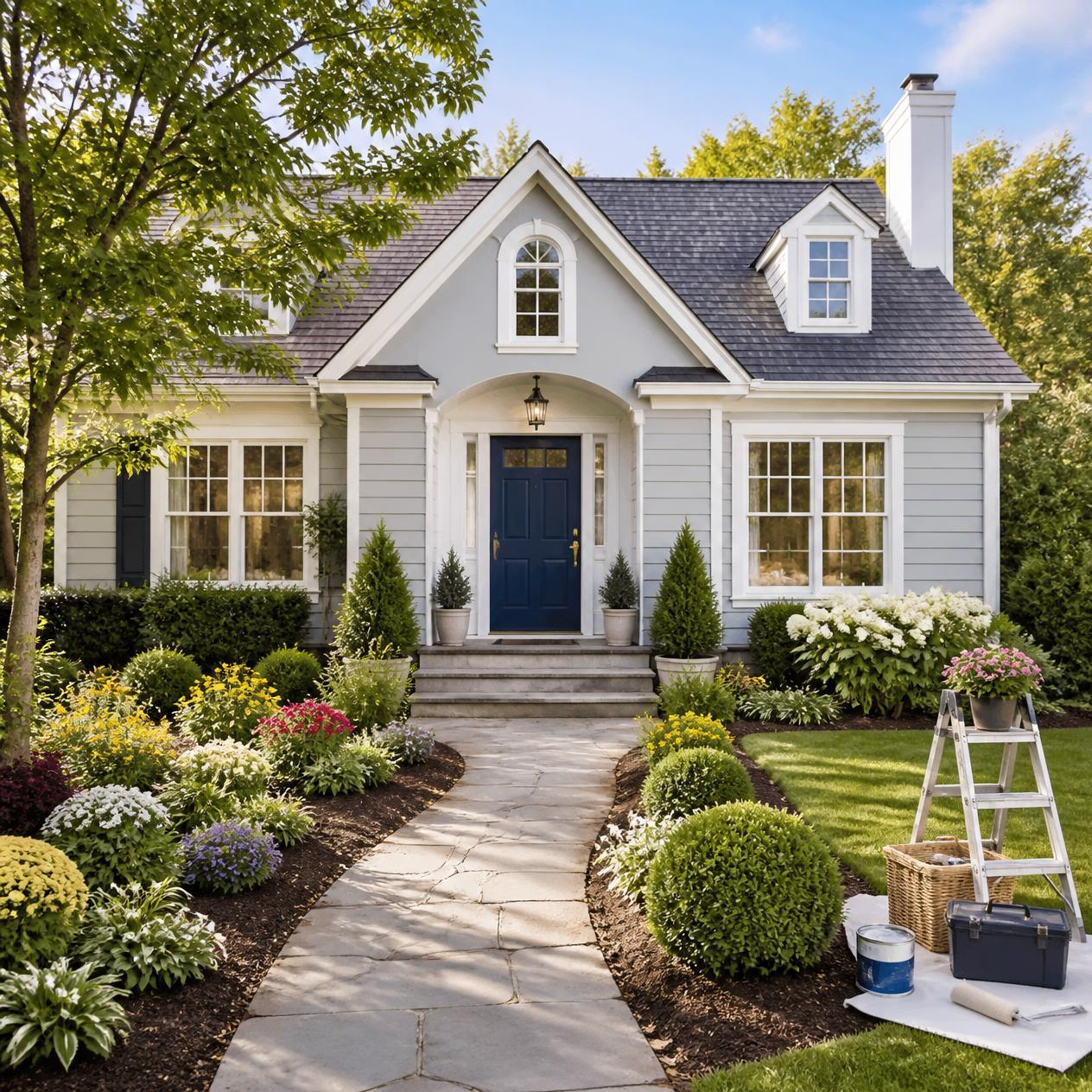
Improve Your Curb Appeal
You only get one first impression.
Before buyers ever step inside, they’re already forming opinions.
Simple improvements often provide tremendous value:
- Fresh mulch
- Trimmed shrubs
- Power washing
- Clean sidewalks
- Fresh flowers
- Pressure-washed driveway
- Fresh mailbox
- Updated house numbers
- Clean front door
- New welcome mat
None of these are particularly expensive.
Together, however, they create an impression that the home has been cared for.
Lighting Makes a Huge Difference
One of the easiest ways to modernize a home is through lighting.
Replacing outdated fixtures with clean, timeless styles can dramatically improve both listing photos and buyer perception.
Don’t forget:
- Replace burned-out bulbs.
- Use matching color temperatures.
- Increase brightness where appropriate.
- Open blinds and curtains.
- Let natural light become part of the showing experience.
Bright homes simply feel larger and more inviting. One thing I intentionally do when showing homes is leave the lights off if a room is already filled with beautiful natural light. Buyers consistently respond to bright, sun-filled spaces, and by letting them experience that first, it highlights one of the home’s greatest features. Then, when on the lights, it’s intentional—I point out why I’m doing it, whether it’s to showcase the natural light of the home. It’s a small detail, but one that helps buyers appreciate the home rather than simply walking through it.
Flooring Repairs
Notice I said repairs—not necessarily replacement.
Buyers notice damaged flooring immediately.
Sometimes replacing worn carpet in one room or repairing damaged luxury vinyl flooring is enough.
Other times, a professional carpet cleaning completely changes the home’s appearance.
Replacing perfectly functional flooring simply because it’s a few years old often isn’t necessary.
Again, strategy matters.
Kitchens: Small Updates Can Go a Long Way
The kitchen is important.
But that doesn’t automatically mean it needs a complete remodel.
Instead, consider updates like:
- Cabinet hardware
- Modern faucet
- New lighting
- Fresh paint
- Deep professional cleaning
- Updated backsplash
- Recaulk sinks and countertops
These relatively inexpensive improvements often create a fresh, updated appearance without investing tens of thousands of dollars.
Bathrooms
The same philosophy applies here.
A sparkling clean bathroom with:
- Fresh caulk
- New mirrors
- Updated lighting
- Fresh towels
- Modern hardware
often shows significantly better than one with an expensive remodel that buyers may not have chosen themselves.
Repairs Often Matter More Than Upgrades
One thing buyers consistently notice?
Deferred maintenance.
Loose railings.
Leaking faucets.
Missing outlet covers.
Sticky doors.
Broken windows.
Running toilets.
Dripping hose bibs.
These aren’t glamorous projects.
But they communicate something important.
When buyers see numerous small maintenance issues, they often begin wondering:
“If these obvious things weren’t addressed…what bigger problems might exist?”
Removing those questions builds buyer confidence.
What Usually Isn’t Worth Doing Before Selling
Now let’s talk about the projects I often encourage sellers to think carefully about.
Complete Kitchen Remodels
Unless your kitchen has suffered significant damage or is severely outdated to the point of impacting marketability, a full remodel often doesn’t return what it costs.
Buyers have different tastes.
What you spend tens of thousands of dollars creating may not be what your eventual buyer would have chosen.
Luxury Bathroom Renovations
Heated floors.
Designer tile.
Steam showers.
Freestanding soaking tubs.
They’re beautiful.
They’re also features many buyers appreciate—but don’t necessarily pay dollar-for-dollar to receive.
Converting Rooms
Whether it’s turning a bedroom into a gym, a nursery into an office, or a dining room into something highly specialized, unique conversions often reduce buyer appeal rather than expand it.
Buyers like flexibility.
The more easily they can envision themselves using the space, the better.
Highly Personalized Design Choices
Bold wallpaper.
Custom built-ins designed around one hobby.
Bright accent walls.
Unique tile.
Statement lighting.
Remember:
You’re selling the home.
Not your decorating style.
Expensive Landscaping Projects
Professional landscaping certainly has value.
Installing elaborate gardens, fountains, retaining walls, or extensive hardscaping shortly before listing often doesn’t provide a strong return.
Focus first on maintenance.
Neat usually beats elaborate.
Every Dollar Has an Opportunity Cost
This is something I discuss with sellers frequently.
If you’re considering spending $30,000 preparing your home for sale, it’s worth asking:
Would buyers actually pay $30,000 more?
Or…
Would that money be better left in your pocket while pricing the home strategically?
Sometimes the answer is yes.
Sometimes it’s no.
That’s why blanket advice rarely works.
Every home, neighborhood, and price point is different.
Sometimes Doing Less Is Actually the Better Strategy
One thing I’ve learned after working through more than 150 transactions is that homeowners often underestimate the value of simplicity.
Clean.
Organized.
Well-maintained.
Professionally photographed.
Strategically priced.
Those four things often outperform extensive renovations.
Many buyers today are perfectly comfortable making cosmetic updates over time.
What they’re less comfortable with is uncertainty.
If the home’s major systems appear well cared for and the property presents well, buyers are often far more forgiving of cosmetic preferences than sellers expect.
Every Home Deserves Its Own Plan
This is why I don’t walk into every listing appointment with the same checklist.
Two homes built by the same builder on the same street can require completely different strategies.
One may benefit from replacing carpet.
Another may only need paint.
Another might need nothing more than staging and professional photography.
The goal isn’t to renovate until there’s nothing left to improve.
The goal is to invest where it matters most—and avoid spending money where buyers simply won’t recognize or value it.
That’s also why I believe pricing and preparation should always work together. As I discussed in Why “Zestimate” Isn’t the Full Story (and What Actually Determines Value), understanding true market value is about much more than simply adding up renovation costs. A thoughtful pricing strategy takes into account buyer demand, competing inventory, condition, location, and overall presentation—not just receipts from recent projects.
Frequently Asked Questions
Should I renovate before selling my house?
Not necessarily. Focus first on repairs, maintenance, cleanliness, paint, and presentation. Large renovations may not be worth the investment.
What renovation adds the most value before selling?
Fresh interior paint, curb appeal improvements, lighting updates, and addressing deferred maintenance consistently provide some of the best returns for many sellers.
Should I remodel my kitchen before listing?
Usually not. Unless the kitchen is significantly impacting the home’s marketability, smaller cosmetic updates often provide a much better return than a complete remodel.
Is replacing carpet worth it?
Sometimes. If the carpet is heavily worn, stained, or has odors, replacement may be worthwhile. In many cases, professional cleaning is enough.
Should I finish my basement before selling?
It depends on your market, neighborhood, budget, and timeline. Large projects should be evaluated based on likely buyer demand and expected return—not simply because additional finished space sounds appealing.
Should I update my landscaping?
Focus on maintenance first. Healthy grass, trimmed shrubs, fresh mulch, and clean walkways usually provide a stronger return than elaborate landscaping projects.
How do I know which projects are worth doing?
The best approach is to evaluate your home in the context of your local market, competing listings, expected buyers, and pricing strategy. Every home is different, which is why a personalized pre-listing plan is often far more valuable than following a generic checklist.
Closing Thoughts
Preparing your home for sale isn’t about creating a brand-new house—it’s about creating confidence.
Buyers notice when a home feels cared for, clean, and thoughtfully presented. They also notice when sellers have invested wisely instead of simply spending money for the sake of spending it.
Some of the best returns come from relatively simple improvements that make a home feel brighter, more inviting, and better maintained. On the other hand, expensive renovations don’t always translate into higher offers or a faster sale.
Before committing to major projects, it’s worth stepping back and asking an important question:
Will this improvement genuinely help my home stand out to buyers, or am I improving it for myself?
The answer can save you thousands of dollars—and help you approach your sale with greater confidence, a stronger strategy, and a clearer understanding of where your investment will have the greatest impact.
Along with thoughtful preparation, strategic pricing, and professional marketing, focusing on the right improvements can position your home to make an excellent first impression from the moment it hits the market.
Renting vs. Buying a Home: What Makes the Most Sense for You?
For years, people have debated whether it’s better to rent or buy a home. Unfortunately, the conversation often gets reduced to oversimplified statements like “Renting is throwing money away” or “Buying is always the smarter investment.”
The truth is far more nuanced.
I’ve worked with clients in every stage of life—first-time buyers, homeowners ready for their next chapter, investors, and people relocating to the Shenandoah Valley from across the country, as well as others. One thing has become abundantly clear:
There isn’t a universally right answer. There’s only the right answer for you.
The decision should be based on your goals, finances, lifestyle, timeline, and what kind of flexibility you need—not what someone on social media says.
Let’s look at both sides honestly.
What Most People Get Wrong About Renting
Renting gets an unfair reputation.
Yes, your monthly rent doesn’t build equity.
But that’s only one piece of the financial puzzle.
Renting can offer tremendous advantages depending on where you are in life.
For many people, renting provides:
- Flexibility to relocate quickly
- Lower upfront costs
- Minimal maintenance responsibilities
- Predictable monthly housing expenses
- Time to improve credit or save for a larger down payment
If you know you’ll be moving in a year or two, renting may actually be the financially smarter decision.
Buying isn’t free.
Between closing costs, maintenance, taxes, insurance, and future repairs, homeowners have expenses renters simply don’t.
That’s why I encourage clients to think beyond the monthly payment.
What Buying Offers That Renting Cannot
While renting offers flexibility, homeownership creates opportunities that renting simply cannot.
When you own a home, each payment can gradually build equity instead of simply paying for housing. While homeownership certainly comes with costs and responsibilities, I often tell clients that one of its unique advantages is that you’re essentially living in a savings account. As you make mortgage principal payments and build equity over time, you’re creating value in an asset that may support future goals, whether that’s your next home, renovations, education expenses, retirement, or something else entirely.
Over time, homeowners may also benefit from:
- Appreciation (although never guaranteed)
- Stable housing costs with a fixed-rate mortgage
- Greater control over the property
- Freedom to renovate or personalize
- Potential tax advantages (consult your tax professional)
- Long-term wealth building
One of my favorite ways to explain it is this:
A home isn’t just a place to live.
It’s also a financial asset.
That doesn’t mean everyone should buy immediately.
It simply means homeownership can become part of a larger financial strategy.
The Real Question Isn’t “Can You Buy?”
It’s:
Should you buy right now?
That’s a very different conversation.
I often have buyers who are fully approved for a mortgage but choose to wait.
Others think they should wait, only to discover they’re actually in a great position to purchase today.
The answer depends on several factors.
Another Consideration: Waiting Has A Possible Cost, Too…
While waiting can absolutely be the right decision for some people, it’s important to recognize that waiting isn’t without risk. Rent has historically tended to increase over time, while homeowners with a fixed-rate mortgage generally benefit from more predictable principal and interest payments. At the same time, if home values continue to appreciate, the house that comfortably fit your budget today may cost more a year from now. If you’re truly ready financially and personally, waiting for the “perfect” moment can sometimes mean having fewer options later. I always encourage clients to make a decision based on their own readiness—not fear or market headlines—but it’s worth remembering that standing still is still a decision, and it has consequences, too.
Buying May Make Sense If…
You plan to stay in the area for more than a few years.
You have stable employment.
You’re financially comfortable with the monthly payment.
You want stability.
You want the freedom to make a house your own.
You’re ready for the responsibilities that come with ownership.
Renting May Make More Sense If…
You expect to relocate soon.
You’re still building savings.
Your career or income is changing.
You’re unsure where you want to live long-term.
You simply don’t want the responsibilities of maintaining a home.
There’s absolutely nothing wrong with choosing flexibility.
It’s Not Just About the Monthly Payment
One of the biggest mistakes people make is comparing rent directly to a mortgage payment.
That comparison isn’t complete.
Owning also includes:
- Property taxes
- Homeowners insurance
- Maintenance
- Repairs
- Lawn care
- HOA dues (when applicable)
- Appliances eventually wearing out
Renting may have a similar monthly payment, but your landlord is generally responsible for many of those unexpected expenses.
That’s an important difference.
Lifestyle Matters More Than People Realize
Some people love owning.
Others don’t.
I’ve met homeowners who genuinely enjoy landscaping, remodeling, and maintaining their property.
I’ve also met homeowners who quickly realized they missed calling someone else when the HVAC stopped working.
Neither person is wrong.
Your lifestyle should influence your decision just as much as your finances.
The Local Market Matters, Too
Here in Winchester, throughout the Shenandoah Valley, and across the Eastern Panhandle of West Virginia, market conditions are constantly changing.
Interest rates shift.
Inventory changes.
Rental prices fluctuate.
Home prices adjust over time.
What made sense a year ago may not be the best decision today.
That’s why I believe strategy should always come before assumptions.
Think Beyond Today
One question I often ask clients is:
“Where do you think you’ll be five years from now?”
Nobody has a crystal ball.
But your best estimate can help guide today’s decision.
If you’re planning to settle into the community, buying may help you build stability.
If your future feels uncertain, renting might provide valuable flexibility.
Both are perfectly reasonable answers.
Buying Doesn’t Have to Be Forever
One misconception I hear frequently is that buying your first home means finding your “forever home.”
It doesn’t.
In fact, many homeowners begin with what I call a stepping-stone property.
Their first home creates equity and financial opportunities that help make the next home possible.
Your first purchase doesn’t have to check every box.
It simply needs to fit your life today while helping position you for tomorrow.
If you’ve read my blog “The Best House Might Be the One Everyone Else Missed,” you’ll recognize this same philosophy. Sometimes the smartest move isn’t waiting for perfection—it’s recognizing opportunity where it exists.
Likewise, if you’re considering buying, I also recommend reading “How Much Home Can You Actually Afford vs. What You Should Spend.“ Purchasing power isn’t about spending every dollar you’re approved for—it’s about having options and making a decision that supports your long-term goals.
Don’t Buy Because Someone Says You Should
Buying a home is one of the biggest financial decisions most people will ever make.
It deserves thoughtful planning.
Not pressure.
Whether you’re renting for another five years or buying your first home this spring, the goal should be making a decision you’ll feel good about—not one someone else convinced you was “right.”
Frequently Asked Questions
Is renting always more expensive than buying?
Not necessarily. Depending on home prices, interest rates, taxes, insurance, maintenance costs, and how long you plan to stay, renting can sometimes be the more economical choice.
How long should I plan to stay in a home before buying makes sense?
While every situation is unique, many financial professionals suggest planning to stay more than one or two years to help offset the upfront costs of purchasing a home.
Is now still a good time to buy?
That depends on your financial situation, goals, and the local market. The best time to buy isn’t determined solely by headlines—it’s determined by your readiness.
Should I wait for interest rates to come down?
Waiting isn’t always the best strategy. Home prices, inventory, and competition can change just as quickly as interest rates. It’s worth evaluating the complete picture rather than focusing on one factor alone.
What if I qualify for more than I want to spend?
That’s actually a great position to be in. Having additional purchasing power gives you more options. It doesn’t mean you have to spend your maximum budget.
How do I know which option is right for me?
By looking at your finances, your timeline, your goals, your lifestyle, and your comfort level—not by comparing yourself to someone else’s situation.
Closing Thoughts
Whether you rent or buy, you’re making an important decision about where you’ll call home.
There isn’t a one-size-fits-all answer.
The right decision is the one that aligns with your financial picture, your future plans, and the lifestyle you want to create.
One of the things I enjoy most about working with clients is helping them explore those options without pressure. Sometimes that means creating a plan to purchase in the near future. Other times, it means recognizing that waiting is the wiser move.
Neither outcome is a failure.
Both are strategic decisions when they’re made with the right information.
If you’re wondering whether buying or renting makes the most sense for your situation, I’d be happy to help you evaluate your options so you can move forward with confidence.
Selling With Confidence: The Decisions That Matter Most
Selling a home is one of the biggest financial decisions most people will ever make. While every transaction is unique, I’ve noticed something after completing more than 150 home sales: the sellers who enjoy the smoothest experience aren’t necessarily the ones with the newest homes, the hottest market, or the highest offers.
They’re the ones who make thoughtful decisions before their home ever goes on the market.
There’s rarely one “perfect” way to sell a home. Instead, there are dozens of small decisions that work together to shape your experience and ultimately your results. My goal is never to tell clients what they should do—it’s to help them understand their options so they can make confident decisions that align with their goals.
If you’re thinking about selling, here are some of the decisions that tend to make the biggest difference.
Decision #1: Price Strategically, Not Emotionally
Your home is full of memories.
The market doesn’t know any of them.
That’s not meant to diminish what your home means to you—it simply highlights the difference between emotional value and market value.
One of the most important conversations I have with sellers is about pricing strategy. While everyone hopes to maximize their return, pricing too aggressively can actually reduce buyer interest, increase days on market, and sometimes result in lower offers than if the home had been priced appropriately from the beginning.
Pricing isn’t about guessing.
It isn’t about choosing the highest number that sounds good.
It’s about understanding today’s market, current competition, buyer demand, recent comparable sales, and how buyers perceive value.
That’s exactly why I earned my Pricing Strategy Advisor (PSA) designation. Accurate pricing isn’t about finding one magic number—it’s about creating the strongest opportunity for your home to succeed.
If you’d like to dive deeper into how values are determined, I also discuss this in Why Zestimate Isn’t the Full Story (and What Actually Determines Value).
Decision #2: Prepare Your Home Through a Buyer’s Eyes
One of my favorite questions to ask sellers is:
“If you were seeing your home for the very first time today, what would stand out?”
Often, it’s the little things.
A loose doorknob.
Burned-out light bulbs.
Fresh mulch.
Clean windows.
A freshly painted front door.
Individually, these items may seem insignificant.
Collectively, they shape a buyer’s first impression.
Preparing a home doesn’t mean making it look like a model home or investing thousands into renovations. Instead, it’s about helping buyers focus on everything your home has to offer instead of becoming distracted by things that are easy to address.
This ties directly into something I discussed in The Psychology of Homebuying: How Buyer Perception Shapes Every Showing—buyers don’t simply evaluate a home. They form an emotional impression within minutes.
The goal is helping that first impression work in your favor.
Decision #3: Invest Where It Makes Sense
One question I hear constantly is:
“What should I fix before selling?”
The honest answer?
It depends.
Every home is different.
Every market is different.
Every budget is different.
Sometimes replacing flooring makes perfect sense.
Sometimes a thorough cleaning and fresh paint provide the biggest return.
Sometimes leaving something alone is actually the better financial decision.
Rather than automatically recommending expensive improvements, I prefer evaluating each project through the lens of return on investment, buyer expectations, and your specific goals.
Not every dollar spent before listing automatically increases your sale price.
Smart preparation isn’t necessarily about spending more.
It’s about spending wisely.
Decision #4: Remember That the Best Offer Isn’t Always the Highest Offer
This is one of the biggest misconceptions I see.
The highest purchase price doesn’t automatically equal the best offer.
Every offer is made up of multiple moving pieces:
- Purchase price
- Financing
- Down payment
- Inspection terms
- Appraisal contingencies
- Closing timeline
- Seller concessions
- Occupancy needs
- Overall risk
Sometimes an offer that’s slightly lower on paper creates a smoother closing with fewer unknowns.
Other times, accepting the highest number truly is the best decision.
Every situation is different.
That’s why I encourage sellers to evaluate offers as complete packages instead of focusing on one number alone.
I explore this process more thoroughly in The Art of Negotiation: What Really Happens Behind the Scenes.
Decision #5: Have a Plan for What Comes Next
Selling your current home is only one chapter of the story.
Where are you going afterward?
Are you buying immediately?
Building?
Renting temporarily?
Relocating out of state?
Will you need additional time after closing?
Should you sell first or buy first?
These conversations are often much easier before offers start arriving than once you’re working within contractual deadlines.
Having a plan doesn’t mean every detail is finalized.
It simply means you’ve thought through the possibilities and understand your options.
If you’re trying to balance selling one home while purchasing another, you may also enjoy Should You Sell First or Buy First? Strategy Based on Your Situation.
Decision #6: Choose an Approach That Fits You
Every real estate professional works a little differently.
Some are very hands-off.
Some are highly transactional.
Others focus heavily on communication and education.
There’s no universally right approach.
What’s important is finding someone whose communication style, planning process, and level of guidance align with what you need.
Personally, I believe clients make their best decisions when they understand what’s happening—not when they’re simply told what to do.
That’s why I spend so much time discussing possibilities ranging from the “rainbows and unicorns” scenario all the way to the worst-case scenario. Most transactions fall somewhere in between, but understanding the full picture allows my clients to make decisions with confidence instead of reacting under pressure.
Decision #7: Ask Questions Early—and Often
One of the easiest ways to reduce stress during a sale is surprisingly simple:
Ask questions.
Lots of them.
There are very few bad questions in real estate.
In fact, asking questions early often creates more options.
Whether it’s timing, inspections, repairs, disclosures, pricing, negotiations, or moving logistics, I’d much rather have those conversations before they become urgent.
An informed seller is almost always a more confident seller.
And confidence tends to make every step of the process feel just a little bit easier.
Frequently Asked Questions
When should I start preparing to sell my home?
Ideally, begin planning two to three months before you hope to list. That gives you time to complete repairs, declutter, gather documents, and create a marketing strategy without feeling rushed.
Should I make renovations before selling?
Not always. Some improvements offer an excellent return, while others may not add enough value to justify the expense. The right answer depends on your home, your local market, and your budget.
Is the highest offer always the best offer?
No. Financing strength, contingencies, closing timeline, concessions, and overall risk all play an important role in determining which offer best meets your goals.
How do I know what my home is worth?
The most accurate valuation comes from reviewing recent comparable sales, current market conditions, competition, and buyer demand—not automated online estimates alone.
When should I contact a REALTOR®?
Earlier than most people think. Even if you’re six months away from listing, creating a strategy early often results in better preparation and less stress when it’s time to sell.
Closing Thoughts
Selling a home isn’t about making perfect decisions.
It’s about making informed ones.
Every seller has different priorities. For some, it’s maximizing price. For others, it’s timing, convenience, certainty, or minimizing stress. None of those goals are wrong—they simply require different strategies.
One of the things I enjoy most about working with sellers is helping them understand the choices in front of them so they can move forward with confidence. My role isn’t to make decisions for you. It’s to provide the information, perspective, and strategy that allow you to make the decisions that are right for your situation.
Because when you understand your options, you’re far more likely to enjoy the journey—not just the destination.
The Benefits of Homeownership: How Owning a Home Helps You Build Wealth Over Time
For years, I’ve told buyers something that usually makes them stop and think.
Living in your home is a lot like living in a savings account.
No, I don’t mean your house is a bank. And I certainly don’t mean that home values only go up. Real estate, like any investment, experiences market fluctuations.
What I do mean is this: every month you make a mortgage payment, a portion of that payment is typically reducing your loan balance. You’re gradually increasing your ownership in an asset while also having a place to call home.
Unlike rent—which pays for a place to live but doesn’t create ownership—homeownership gives you the opportunity to build equity over time.
It’s one of the many reasons I believe buying a home can be such a powerful financial tool when it’s the right decision for your goals, budget, and lifestyle.
Homeownership Is About More Than Having a Roof Over Your Head
When most people think about buying a home, they picture the obvious benefits.
A yard for entertaining.
A larger kitchen.
A home office.
A neighborhood they love.
Those things absolutely matter, but they’re only part of the story.
A home is also one of the few purchases you’ll make that has the potential to build wealth while you’re simply living your everyday life.
Every mortgage payment has multiple components. While interest, taxes, and insurance cover various costs, the portion that goes toward your principal is paying down your loan balance. That means your ownership stake in the property grows a little more each month.
Over time, those small monthly gains can become significant.
Understanding Equity
Equity is simply the difference between what your home is worth and what you still owe on your mortgage.
For example:
If your home is worth $450,000 and you owe $300,000, you have approximately $150,000 in equity.
That equity generally grows in two ways:
- By paying down your mortgage principal.
- Through market appreciation when home values increase over time.
Neither happens overnight.
Instead, equity often builds quietly in the background while you’re living your life.
That’s why I tell clients that living in your home is like living in a savings account. Every principal payment increases your ownership, and when appreciation occurs, it can build on top of that foundation.
Wealth Is Usually Built Slowly—Not Overnight
Social media has made it easy to believe wealth happens quickly.
The reality is often much different.
Many of the homeowners I’ve worked with over the years didn’t become financially stronger because they timed the market perfectly.
They became financially stronger because they stayed the course.
They bought a home they could comfortably afford.
They made consistent mortgage payments.
They maintained the property.
They allowed time to work in their favor.
There usually isn’t one dramatic moment.
Instead, wealth often grows through years of small, consistent decisions.
Equity Creates Opportunities
One of my favorite conversations with buyers isn’t about how much they can spend.
It’s about what homeownership may allow them to do years from now.
Because equity creates options.
Over time, homeowners may choose to use their equity to:
- Purchase their next home.
- Move into a different neighborhood.
- Make renovations that improve their quality of life.
- Eliminate private mortgage insurance (PMI) when eligible.
- Consolidate certain debts.
- Invest in another property.
- Supplement retirement planning.
Every person’s situation is different, and equity shouldn’t be viewed as “money to spend.”
Instead, I encourage clients to think of it as flexibility.
Just like I often say purchasing power is about having options—not necessarily spending your maximum budget—the same philosophy applies to equity.
Having options is incredibly valuable.
Your First Home Doesn’t Have to Be Your Forever Home
One of the biggest misconceptions I hear is that buyers need to purchase their forever home first.
I don’t believe that’s true.
Sometimes the smartest financial move is simply buying the right first home.
It may not have every feature on your dream-home checklist.
It may need cosmetic updates.
It may be a condo, townhouse, or a smaller single-family home.
That doesn’t mean it’s the wrong purchase.
In fact, your first home can become the stepping stone that helps make your next home possible.
I’ve seen this happen countless times.
A buyer purchases an affordable starter home.
They build equity over several years.
When life changes, that equity helps provide a larger down payment for the next home.
Without that first purchase, the second opportunity may have been much harder to achieve.
That’s one reason I often encourage buyers to think about today’s decision within the context of tomorrow’s goals.
Appreciation Is Wonderful—But It Isn’t Guaranteed
One of the most important conversations I have with clients is setting realistic expectations.
Real estate markets move.
Values rise.
Values can level off.
Occasionally, values decline.
No one can accurately predict exactly what the market will do in the short term.
Buying a home should never rely solely on the expectation of rapid appreciation.
Instead, I encourage buyers to focus on the factors they can control:
- Purchasing within their comfort level.
- Choosing a home that fits their lifestyle.
- Planning to stay long enough to ride through normal market cycles.
- Maintaining the property over time.
When homeownership is approached with a long-term mindset, temporary market fluctuations tend to become much less intimidating.
Homeownership Offers Emotional Benefits Too
The financial side of buying a home often gets the most attention, but I don’t think we should overlook the emotional side.
Homeownership means creating a space that’s truly yours.
You can paint the walls.
Plant a garden.
Renovate the kitchen.
Celebrate birthdays.
Host holidays.
Those memories matter just as much as the financial benefits.
A house becomes much more than an investment.
It becomes the backdrop to your life.
Renting Isn’t Wrong
I also think it’s important to say something that often gets left out of conversations like this.
Renting isn’t a bad decision.
In fact, for some people, renting is absolutely the right choice.
If you’re planning a short-term move, building your savings, relocating for work, or simply aren’t ready for the responsibilities of homeownership, renting can provide flexibility that buying doesn’t.
The goal isn’t to convince everyone to buy.
The goal is to understand your options and choose the one that best supports your personal and financial goals.
That’s why every conversation I have starts with your situation—not with a sales pitch.
Frequently Asked Questions
Is buying a home still a good investment?
While no investment is guaranteed, homeownership has historically been one of the primary ways many Americans have built long-term wealth through principal paydown and potential appreciation.
How does home equity grow?
Equity generally grows by paying down your mortgage balance and through increases in your home’s market value over time.
Is renting always throwing money away?
Not necessarily. Renting provides flexibility and may be the best choice depending on your financial goals, timeline, and lifestyle.
Can I use equity to buy another home?
Yes. Many homeowners use equity from the sale of one home as the down payment on their next property.
Should I buy my forever home first?
Not always. Many buyers successfully use a starter home as a stepping stone toward future goals.
How long should I plan to stay in a home?
Every situation is different, but buying generally makes more financial sense when you’re planning to stay long enough to offset the costs associated with purchasing and selling a home.
Closing Thoughts
Homeownership isn’t about getting rich overnight.
It’s about creating opportunities over time.
When buying makes sense for your financial situation, your lifestyle, and your long-term goals, a home can become much more than the place where you sleep at night.
It can become one of the strongest financial foundations you ever build.
That’s why I often tell clients that living in your home is like living in a savings account.
Every month you’re not just making a payment.
You’re gradually building ownership in something that’s yours.
And while none of us can predict exactly what the future holds, creating options for tomorrow starts with the decisions we make today.
The Best House Might Be the One Everyone Else Missed
If you’ve spent any time searching for a home, you’ve probably felt it.
A new listing hits the market. Everyone rushes to see it. Showings fill up. Multiple offers start flying around. Emotions take over. Suddenly, buyers who were carefully weighing their options feel pressure to make a decision immediately.
But what if the best house for you isn’t the one attracting all the attention?
What if the best opportunity is actually the home everyone else overlooked?
As a Realtor®, I’ve seen this happen more times than I can count. In fact, some of the happiest homeowners I’ve worked with ended up purchasing homes that had been sitting on the market longer than expected.
Not because there was something wrong with them.
Not because they were a bad investment.
But because the market—and human nature—often causes buyers to focus on what everyone else is chasing rather than evaluating a property on its own merits.
Days on Market Doesn’t Tell the Whole Story
One of the first things buyers notice when browsing online is how long a property has been on the market.
A home listed for three days feels exciting.
A home listed for sixty days can feel suspicious.
The assumption is often that if nobody has purchased it yet, there must be a reason.
Sometimes that’s true.
Many times, it isn’t.
A property may have been overpriced initially and later adjusted.
The marketing may have missed the right audience.
The photos may not have showcased the home’s strengths.
The home may simply have launched during a particularly slow period of the market.
I’ve seen fantastic properties sit while less suitable homes generated bidding wars simply because they were new to the market.
Days on Market is a piece of information. It is not the entire story.
Buyer Psychology Is Powerful
In my blog, The Psychology of Homebuying: How Buyer Perception Shapes Every Showing, we discussed how emotions influence nearly every real estate decision.
Buyers often assume popularity equals value.
If ten people want a house, it must be great.
If nobody is rushing to buy it, there must be a problem.
But that’s not always how real estate works.
Sometimes buyers become focused on competition itself.
The excitement of “winning” can overshadow the more important question:
Is this actually the right house for me?
The goal isn’t to buy the home everyone else wants.
The goal is to buy the home that best supports your lifestyle, finances, goals, and future plans.
Those aren’t always the same thing.
Opportunity Often Lives Where Competition Doesn’t
One of my favorite conversations with buyers happens when we find a property that checks nearly every box but has been sitting on the market.
Instead of immediately dismissing it, we start asking questions.
Why hasn’t it sold?
Is there a material concern?
Is there a location factor?
Was it simply priced incorrectly?
Can we verify concerns through inspections, disclosures, and due diligence?
Many times, the answers reveal opportunity rather than risk.
A home that has been sitting may offer:
- More negotiating power
- Better inspection flexibility
- Greater seller concessions
- Reduced competition
- More time to make thoughtful decisions
- Less emotional pressure during negotiations
That’s not a guarantee, of course.
But it is a reminder that market perception and actual value are not always the same thing.
Looking Beyond First Impressions
One of the biggest challenges in today’s market is that buyers are often making decisions based on a few photos and a quick online impression.
Yet some homes simply don’t photograph well.
Others have cosmetic issues that distract from strong fundamentals.
A bold paint color.
Dated flooring.
Landscaping that needs attention.
Furniture placement that doesn’t showcase the space.
These issues can discourage buyers before they ever walk through the front door.
The reality is that cosmetic issues are often easier and less expensive to address than location, lot quality, floor plan functionality, or structural concerns.
When evaluating a property, I encourage buyers to focus on what can and cannot be changed.
Paint is easy.
Countertops can be replaced.
Furniture leaves.
Location stays.
Lot size stays.
Natural light stays.
The home’s overall layout stays.
Those are often the characteristics that matter most over the long term.
The Difference Between Strategic and Emotional Buying
In another blog, How Much Home Can You Actually Afford vs. What You Should Spend, we discussed the difference between purchasing power and purchasing decisions.
The same concept applies here.
Just because a home is attracting attention doesn’t mean it’s your best option.
Just because a home has been overlooked doesn’t mean it isn’t.
Strategic buyers learn to evaluate opportunities independently of market noise.
They ask:
- Does this home meet my needs?
- Does it align with my budget?
- Does it fit my long-term goals?
- Can I see myself living here for years?
Those answers matter far more than how many other buyers have toured the property.
Sometimes the Best Stories Start Unexpectedly
Over the years, I’ve watched buyers walk away from homes they initially dismissed, only to regret it later.
I’ve also watched buyers reluctantly agree to see a property that had been sitting on the market, fall in love with it, negotiate favorable terms, and ultimately end up in a home they still rave about years later.
Real estate is full of surprises.
The home that appears perfect online isn’t always the right fit.
The home that gets overlooked isn’t always flawed.
Sometimes it’s simply waiting for the right buyer to recognize its value.
FAQs
Should I avoid homes that have been on the market a long time?
Not necessarily. A longer market time is a signal to investigate further, not automatically eliminate the property. Understanding why a home hasn’t sold is often more important than the number of days it has been listed.
Can a home sitting on the market be a red flag?
It can be, but not always. Pricing, marketing, timing, condition, and buyer perception can all influence market time. Proper due diligence helps separate actual concerns from perceived ones.
Do sellers become more negotiable after a home has been on the market for a while?
Sometimes. Every seller is different, but properties with longer market times may provide additional opportunities for negotiation compared to newly listed homes attracting multiple offers.
How can I tell if a home is a hidden gem?
Focus on fundamentals. Location, layout, lot quality, maintenance history, and overall suitability often matter more than cosmetic imperfections or market popularity.
Is it risky to buy a home that other buyers passed on?
Not automatically. That’s exactly why inspections, disclosures, research, and professional guidance exist. The key is understanding whether buyers passed because of a legitimate issue or simply because of perception.
Closing Thoughts
The best house isn’t always the newest listing.
It isn’t always the one generating the most showings.
It isn’t always the one with the longest line of buyers waiting outside.
Sometimes the best house is the one that gives you room to think.
The one that allows you to negotiate.
The one that quietly checks every box while everyone else is chasing something shinier.
Real estate isn’t about winning a competition.
It’s about finding the right home.
And sometimes, the right home is the one everyone else missed.
The Emotional Side of Buying and Selling a Home (And How to Stay Grounded)
Buying or selling a home is often described as one of life’s biggest financial decisions.
I respectfully disagree.
It’s one of life’s biggest emotional decisions that just happens to involve a lot of money.
The numbers matter. The contracts matter. The inspections, appraisals, financing, deadlines, and negotiations all matter.
But behind every transaction is a person navigating excitement, fear, hope, uncertainty, and sometimes grief—all at the same time.
After helping more than 150 home sales throughout Virginia and West Virginia, I’ve learned something important:
The clients who have the smoothest experience aren’t necessarily the ones with the easiest transactions.
They’re the ones who understand when emotion is helping them—and when it’s starting to make decisions for them.
Let’s talk about why emotions are completely normal, where they tend to show up, and how to keep them from steering the ship.
Why Real Estate Feels So Personal
Unlike buying a car or choosing a new phone, homes become part of our identity.
They’re where birthdays happen.
Where holidays are celebrated.
Where difficult conversations happen.
Where life happens.
Even when you’re buying your very first home, you’re imagining future memories before you’ve even gotten the keys.
That’s why buying and selling often feels so much bigger than the paperwork suggests.
You’re not just purchasing square footage.
You’re making decisions about your future.
Buyers: When Excitement Starts Making the Decisions
One of the biggest emotional traps buyers fall into is confusing excitement with certainty.
You walk into a home.
It feels perfect.
You immediately start imagining furniture placement, holiday decorations, your morning coffee on the porch.
Suddenly…
Everything else disappears.
Sometimes that’s okay.
Sometimes it causes buyers to overlook things they would normally question.
I’ve seen buyers suddenly become comfortable stretching their budget, overlooking inspection concerns, or rushing decisions because they’re afraid of losing “the one.”
This is one reason I encourage clients to think strategically throughout the process—not because I want to remove the excitement, but because I want the excitement to be supported by good decision-making.
As I often tell clients:
Purchasing power isn’t about spending it. It’s about having options.
The same philosophy applies emotionally.
Having options gives you confidence.
Feeling like you only have one option creates pressure.
And pressure rarely leads to great decisions.
Sellers: Your Home Isn’t Just a Product
Selling can be even more emotional.
You’ve likely invested years into your home.
Money.
Time.
Weekend projects.
Landscaping.
Painting.
Repairs.
Memories.
Then buyers walk through and…
…they don’t love your kitchen.
…they comment on the paint color.
…they ask for repairs.
…they offer less than you hoped.
It’s easy for those moments to feel personal.
But they’re usually not.
Buyers aren’t judging your life.
They’re evaluating whether the home fits their life.
That’s a very different conversation.
Separating yourself emotionally from your home—even just a little—can make negotiations dramatically easier.
Negotiations Feel Personal…Even When They Aren’t
Inspection requests.
Repair negotiations.
Price reductions.
Closing cost requests.
Appraisal issues.
These moments can quickly feel like conflict.
In reality, they’re simply another stage of negotiation.
As I discussed in my article on Inspection Negotiations: What’s Reasonable and What’s Not, every buyer has a different comfort level.
Every seller has different priorities.
Neither side is automatically right or wrong.
The goal isn’t to “win.”
The goal is finding a solution both parties can live with.
When everyone remembers that, negotiations become much less stressful.
Fear of Missing Out Is Real
Sometimes buyers become afraid they’ll never find another home.
Sometimes sellers become convinced this is the only buyer they’ll ever have.
Neither is usually true.
Fear creates urgency.
Urgency often creates poor decisions.
I’ve found it’s helpful to pause and ask a simple question:
“Would I make the same decision if I weren’t feeling pressured today?”
That one question has helped many clients slow down long enough to think clearly.
The Danger of Making Decisions on One Bad Day
Every transaction has emotional highs and lows.
One day:
“We got the house!”
The next:
“The inspection found issues.”
The next:
“The appraisal came in.”
The next:
“The lender needs one more document.”
The emotional roller coaster is completely normal.
The mistake is assuming one difficult day defines the entire transaction.
It usually doesn’t.
Many deals that feel stressful halfway through end with happy clients sitting around their new kitchen table a few weeks later.
Logic and Emotion Both Belong at the Table
I don’t believe buying or selling should be emotionless.
Emotion is part of what makes a house become a home.
The goal isn’t to eliminate emotion.
It’s to balance it with information.
That’s why I spend so much time educating clients before they ever have to make a decision.
When emotions inevitably show up, we already have a framework for evaluating options.
I often tell clients we look at everything from the perspective of:
- Best-case scenario
- Most likely scenario
- Worst-case scenario
I jokingly call it my “rainbows and unicorns to worst-case” approach.
Not because I expect the worst.
Because considering the full range of possibilities helps decisions feel less overwhelming.
Trust the Process More Than the Moment
Real estate is full of moments that feel enormous.
A low offer.
An inspection report.
A financing hiccup.
An appraisal.
A delayed closing.
Those moments matter.
But they’re only one chapter of a much larger story.
The best decisions usually come from stepping back, gathering all the facts, and evaluating your options—not reacting to the emotion of the day.
That’s one of the biggest reasons I believe education matters so much throughout the buying and selling process.
When you understand what’s happening and why, uncertainty becomes much easier to manage.
And when you’re grounded, you’re much more likely to make decisions you’ll still feel good about long after closing day.
Frequently Asked Questions
Is it normal to feel anxious when buying a home?
Absolutely. Buying a home involves significant financial and emotional investment. Feeling excited, nervous, or even overwhelmed is completely normal. The key is making decisions based on both facts and feelings rather than emotion alone.
Why do sellers sometimes reject strong offers?
Price is only one piece of the puzzle. Closing timelines, contingencies, financing, repair requests, and certainty of closing all influence a seller’s decision.
How do I avoid becoming emotionally attached too early?
It’s okay to be excited about a home. Just continue evaluating it objectively by considering inspection findings, neighborhood, long-term affordability, resale potential, and how it fits your overall goals.
Why do negotiations sometimes feel so stressful?
Negotiations involve uncertainty, and uncertainty naturally creates emotion. Remember that requests for repairs or concessions are part of the process—not necessarily personal criticism.
Should I walk away if a transaction becomes stressful?
Not necessarily. Nearly every transaction has moments of uncertainty. Before making major decisions, understand what’s actually happening, what your options are, and whether the issue is temporary or truly changes the value of moving forward.
How can a REALTOR® help reduce stress during the process?
A good REALTOR® helps explain what’s happening, prepares you for common challenges, presents your options clearly, and keeps the transaction moving forward without making decisions for you.
Closing Thoughts
Buying and selling real estate will probably never be completely free of emotion—and honestly, I don’t think it should be.
Homes represent chapters of our lives.
They hold memories, dreams, and plans for the future.
The goal isn’t to ignore those emotions.
It’s to make sure they’re accompanied by good information, thoughtful strategy, and enough perspective to make decisions you’ll feel confident about long after closing.
When you stay grounded, you’re far more likely to enjoy the journey—not just the destination.
Moving from Northern Virginia to the Shenandoah Valley: A Realistic Guide

If you’ve spent any time looking at homes in the Shenandoah Valley, you’ve probably had the same reaction many of my clients do:
“Wait… I can get all of that for this price?”
For many buyers relocating from Northern Virginia, the answer is yes. Larger lots, more privacy, mountain views, less traffic, and often significantly more purchasing power can make the Valley incredibly appealing.
But there’s another side to the story.
Moving to the Shenandoah Valley isn’t simply a change of address. It’s a lifestyle shift. And whether you’re relocating from Northern Virginia, New York, Pennsylvania, Ohio, California, or somewhere else entirely, understanding the realities of the region before you move can make the transition much smoother.
As someone who regularly helps relocation buyers throughout Winchester, Frederick County, Clarke County, Warren County, Shenandoah County, Page County, and the surrounding region, I’ve found that the happiest movers are the ones who arrive with realistic expectations—not just excitement.
Let’s talk about what life here is really like.
Why So Many People Are Moving to the Shenandoah Valley
The appeal is easy to understand.
Many relocation buyers tell me they’re looking for:
- More home for their money
- Lower overall cost of living
- Less congestion
- More outdoor recreation
- A stronger sense of community
- Space for hobbies, animals, gardens, or simply breathing room
- Proximity to major metro areas without living in them
For Northern Virginia buyers especially, the Shenandoah Valley often offers an opportunity to upgrade their lifestyle without dramatically increasing their housing budget.
A home that may be unattainable in Fairfax, Arlington, Loudoun, or Prince William County can suddenly become realistic in Winchester, Front Royal, Strasburg, Woodstock, Luray, or other Valley communities.
But affordability is only one piece of the equation.
The Pace of Life Is Different
One of the first things relocation buyers notice is that things simply move differently here.
That’s not good or bad.
It’s just different.
You may find:
- Fewer big-box options nearby
- Longer lead times for contractors
- Different restaurant selections
- More locally-owned businesses
- More community-focused events
- Less emphasis on rushing everywhere
For many people, this becomes one of the things they love most.
For others, it requires an adjustment period.
If you’re used to having every service available within five minutes, the Valley may initially feel slower.
If you’re looking for a little breathing room, it often feels exactly right.
The Commute Matters More Than You Think
One of the biggest mistakes I see relocation buyers make is focusing exclusively on the house while underestimating the commute.
Many buyers moving from Northern Virginia intend to continue working in the metro area.
Before buying, ask yourself:
- How many days per week will I commute?
- What does that drive look like during rush hour?
- What happens if my remote work situation changes?
- How much time am I truly comfortable spending in the car?
A home that feels perfect on a Saturday afternoon can feel very different after several months of commuting.
The goal isn’t simply finding the right house.
It’s finding the right lifestyle.
Rural Living Comes With Rural Responsibilities
Many buyers relocating from urban and suburban areas are excited about acreage.
I understand the appeal.
Mountain views, privacy, and open space are hard to resist.
But rural properties often come with systems buyers may not have encountered before.
Examples include:
- Private wells
- Septic systems
- Propane service
- Gravel roads
- Shared driveways
- Agricultural zoning considerations
- Easements
- Internet availability differences
None of these are necessarily problems.
They’re simply things that require education and understanding.
This is similar to what we discussed in previous blogs about buying across state lines and understanding property-specific considerations before making an offer.
The more informed you are, the better decisions you can make.
Internet and Cell Service Can Be Deal Breakers
This one surprises people.
A lot.
A beautiful property with breathtaking views doesn’t help much if you work remotely and can’t maintain a reliable internet connection.
Before purchasing, buyers should investigate:
- Internet providers
- Available speeds
- Fiber availability
- Cellular coverage
- Future expansion plans
Never assume service availability based solely on the property’s location.
This is especially important for remote workers relocating from larger metropolitan areas.
Weather Feels Different Here
Many relocation buyers love experiencing four distinct seasons.
The Valley offers:
- Beautiful spring blooms
- Warm summers
- Stunning fall foliage
- Winter weather that can vary significantly by location and elevation
However, mountain geography creates unique weather patterns.
A property just a few miles away can experience very different conditions.
Snow removal, road maintenance, driveway accessibility, and travel times may become larger considerations than they were in previous locations.
Community Matters More Than Many Buyers Expect
One thing I consistently hear from relocation clients after they’ve settled in is how quickly they became connected to the community.
The Shenandoah Valley tends to feel smaller and more relationship-driven than many major metro areas.
People often know their neighbors.
Local businesses recognize repeat customers.
Community events draw strong participation.
For many buyers, this becomes one of the most rewarding parts of the move.
Your Purchasing Power May Increase—But Strategy Still Matters
A common misconception is that because homes may be more affordable than Northern Virginia or other high-cost markets, buyers don’t need a strategy.
The opposite is often true.
We’ve discussed this concept in blogs like:
- How Much Home Can You Actually Afford vs. What You Should Spend
- Pre-Approved vs. PreQualification: Why it Matters More Than You Think
Purchasing power creates options.
It doesn’t mean you should automatically spend more.
The strongest relocation buyers approach the process strategically, focusing on long-term goals rather than simply maximizing budget.
Every Area Has Its Own Personality
One of the biggest surprises for out-of-state buyers is how different communities can feel despite being relatively close together.
For example:
- Winchester feels different from Front Royal.
- Front Royal feels different from Luray.
- Luray feels different from Strasburg.
- Clarke County feels different from Frederick County.
Each community offers its own blend of:
- Lifestyle
- Schools
- Amenities
- Commute patterns
- Housing styles
- Lot sizes
- Community culture
This is why I often encourage relocation buyers to spend a weekend exploring before making decisions.
Sometimes the town buyers thought they wanted isn’t actually where they end up feeling most at home.
The Best Move Is the Informed Move
The Shenandoah Valley has become a destination for buyers from Northern Virginia, New York, Pennsylvania, Ohio, California, Maryland, New Jersey, and beyond.
And for good reason.
It’s a beautiful place to live.
But the buyers who are happiest after the move are rarely the ones who focused solely on home prices.
They’re the ones who took time to understand the lifestyle, the communities, the practical realities, and how they wanted their daily lives to look once the boxes were unpacked.
Because moving isn’t just about finding a house.
It’s about finding the right fit.
Frequently Asked Questions
Is moving from Northern Virginia to the Shenandoah Valley common?
Very. Many buyers relocate from Fairfax, Loudoun, Arlington, Prince William, and surrounding areas seeking more space, lower housing costs, and a different pace of life.
Are homes significantly cheaper in the Shenandoah Valley?
Generally speaking, buyers often find greater purchasing power compared to many Northern Virginia markets. However, prices vary significantly by location, property type, acreage, and amenities.
Is remote work possible throughout the Valley?
In many areas, yes. However, internet availability varies considerably, especially in rural locations. Verification should always occur before purchasing.
Do I need special inspections for rural properties?
Potentially. Depending on the property, buyers may wish to evaluate wells, septic systems, water quality, radon, outbuildings, drainage, and other factors.
How far is Winchester from Northern Virginia?
Many parts of Northern Virginia are approximately 60–90 minutes away depending on traffic, destination, and time of day.
Is the Shenandoah Valley a good place to retire?
Many retirees are drawn to the region because of its scenery, recreational opportunities, community atmosphere, and relative affordability.
Closing Thoughts
Whether you’re moving from Northern Virginia or relocating from New York, Pennsylvania, Ohio, California, or anywhere else, the Shenandoah Valley offers something many buyers are searching for: options.
More space. More breathing room. More opportunities to create the lifestyle you actually want.
The key is making sure the move aligns with your goals—not just your budget.
A successful relocation isn’t about finding the cheapest house or the biggest lot.
It’s about finding the place that feels like home.
The Pros and Cons of New Construction vs. Existing Homes
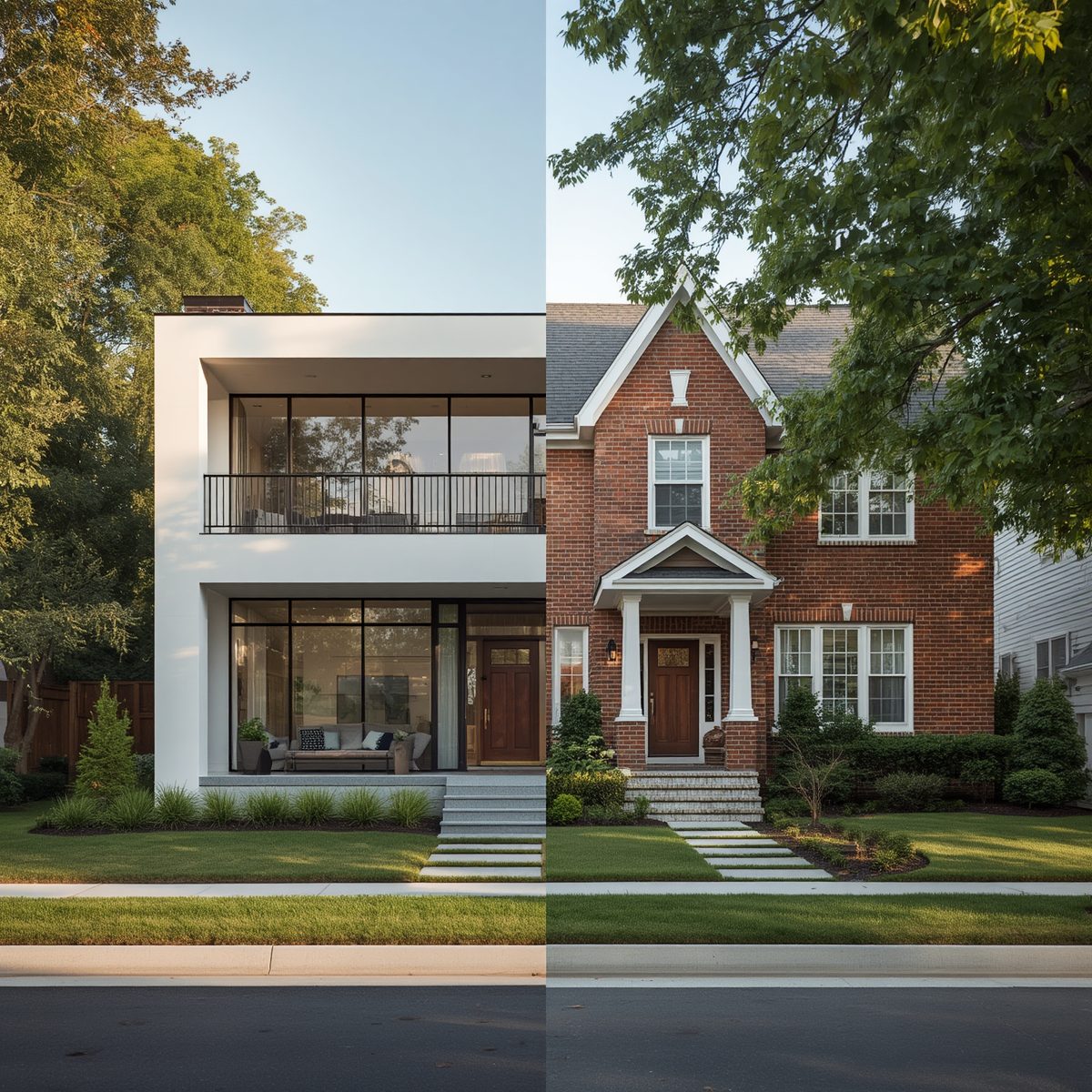
Which one is actually the better investment? The answer might surprise you.
If you’ve started shopping for a home, you’ve probably found yourself asking one of the biggest questions buyers face:
Should I buy a brand-new home or an existing one?
There’s no universal right answer.
I’ve helped clients purchase everything from century-old farmhouses to homes that weren’t even finished being built yet. Both can be incredible opportunities—and both come with challenges many buyers don’t expect.
One of the biggest misconceptions I hear is this:
“If it’s new construction, I won’t have to worry about anything breaking.”
I wish that were true.
The reality is that homes—regardless of age—are built from thousands of individual components. Mechanical systems, appliances, plumbing fixtures, roofing materials, electrical equipment, windows, grading, and countless other parts can experience issues at any point in their lifespan.
The age of a home isn’t what determines whether it’s “good.”
The quality of construction, maintenance, inspections, location, and your expectations matter far more.
Let’s compare both options realistically.
New Construction: The Pros
There are plenty of reasons buyers love new construction.
Modern Floor Plans
Builders design homes around today’s lifestyles.
Open kitchens.
Larger primary suites.
Walk-in closets.
Home offices.
Mudrooms.
These layouts often fit modern living better than homes built decades ago.
Less Immediate Maintenance
Because many components are brand new, buyers often enjoy several years before replacing major systems.
That doesn’t mean nothing can happen—it simply means many items are at the beginning of their expected lifespan.
Builder Warranties
Many builders provide warranties covering various portions of the home for specific periods of time.
These warranties can provide peace of mind—but it’s important to understand exactly what is and isn’t covered.
Personalization
Depending on the stage of construction, buyers may be able to choose:
- Cabinets
- Flooring
- Paint colors
- Fixtures
- Countertops
- Exterior finishes
For many people, designing their home is part of the fun.
Energy Efficiency
New homes often include:
- Better insulation
- Modern HVAC systems
- Energy-efficient windows
- Improved building standards
This can reduce monthly utility costs.
New Construction: The Cons
Brand new doesn’t mean perfect.
In fact, this is where buyer expectations sometimes need adjusting.
New Doesn’t Mean Problem-Free
One of the biggest myths in real estate is that a newly built home doesn’t need an inspection.
Nothing could be further from the truth.
Homes are built by people.
Even excellent builders have subcontractors, timelines, weather delays, material shortages, and human error.
I’ve seen new homes with:
- Inadequate insulation
- Improper grading
- Plumbing leaks or Water Issues
- HVAC issues
- Roofing concerns
- Electrical defects
- Cosmetic workmanship issues
None of these necessarily mean it’s a “bad” home.
It simply means that quality control matters, and that’s exactly why inspections remain an important part of the buying process.
A home being new isn’t a guarantee that it’s perfect.
Additional Costs Can Add Up Quickly
Model homes are beautiful.
They’re also full of upgrades.
The advertised starting price often doesn’t include many of the finishes buyers fall in love with during the design process.
It’s important to budget for:
- Premium lots
- Design center upgrades
- Landscaping
- Window treatments
- Appliances
- Decks or patios
- Fencing
Sometimes those costs surprise buyers.
Construction Timelines Can Change
Building schedules depend on weather, labor availability, inspections, permits, and supply chains.
Closing dates may shift.
If you’re coordinating the sale of another home, timing becomes even more important.
Existing Homes: The Pros
Buying an existing home offers advantages that new construction simply can’t replicate.
Established Neighborhoods
Mature trees.
Landscaped yards.
Walkable communities.
Larger lots.
Neighborhood character develops over decades—not months.
Many buyers value that established feel.
You Know What You’re Buying
An existing home has a history.
You can evaluate:
- Landscaping
- Drainage
- Neighborhood traffic
- Natural light
- Wear patterns
- Previous improvements
Rather than imagining what everything will look like, you can experience it firsthand.
Potentially Better Value
Sometimes existing homes offer:
- More square footage
- Larger lots
- Better locations
- More mature landscaping
…for a similar price point.
Every market is different, which is why comparing total value—not just list price—is so important.
Existing Homes: The Cons
Older doesn’t automatically mean problematic—but buyers should understand what comes with homeownership.
Maintenance Is Normal
Every home ages.
Roofs wear.
HVAC systems eventually need replacing.
Water heaters don’t last forever.
That’s not a defect.
That’s simply homeownership.
A well-maintained older home can often outperform a poorly maintained newer one.
Renovation Costs
You may eventually choose to update:
- Kitchens
- Bathrooms
- Flooring
- Paint
- Fixtures
The good news?
Many buyers can complete these projects over time while building equity.
Buyer Perception Can Be Misleading
One of my favorite conversations with buyers centers around perception.
People often assume:
New equals perfect.
or
Older equals expensive.
Neither is necessarily true.
Every home deserves to be evaluated individually.
I’ve seen immaculate 70-year-old homes.
I’ve also seen brand-new homes with inspection reports several pages long.
That’s why I encourage clients to avoid making decisions based on assumptions.
Instead, we evaluate:
- Condition
- Construction quality
- Inspection findings
- Maintenance history
- Future costs
- Long-term goals
Because those factors tell us much more than the year the home was built.
The Right Home Depends on You
There isn’t a universally “better” choice.
Some buyers prioritize:
- Low maintenance
- Customization
- Energy efficiency
Others prioritize:
- Character
- Larger lots
- Established neighborhoods
- Mature landscaping
Neither is wrong.
It’s simply about matching the home to your lifestyle—not someone else’s expectations.
Strategy Beats Assumptions
One thing I often remind buyers is this:
Every house was new construction once.
Age alone doesn’t determine quality.
Preparation does.
Inspections do.
Maintenance does.
And having realistic expectations does.
Whether you’re buying a home built last week or last century, your goal should be the same:
Understand what you’re buying so you can make a confident, informed decision.
That’s where strategy always wins.
Frequently Asked Questions
Should I still get a home inspection on a new construction home?
Absolutely. New homes can have defects just like older homes. An independent home inspection helps identify issues before closing and gives buyers valuable information about their investment.
Are older homes more expensive to maintain?
Not necessarily. A well-maintained older home can require fewer repairs than a newer home with poor workmanship or deferred maintenance. The home’s condition matters more than its age.
Is new construction more expensive?
It depends. Builder upgrades, premium lots, landscaping, appliances, fencing, and window treatments can significantly increase the final purchase price beyond the advertised base price.
Which appreciates faster?
Both new construction and existing homes can appreciate well. Appreciation is influenced more by location, market conditions, inventory, and demand than by whether the home is brand new.
Which is better for first-time buyers?
There’s no one-size-fits-all answer. Some first-time buyers prefer the predictability of new construction, while others find better value, established neighborhoods, or larger lots in resale homes.
Closing Thoughts
One of the most rewarding parts of my job is helping buyers look beyond assumptions and evaluate homes objectively. New construction isn’t automatically the better choice, and an older home isn’t automatically a risky one. Every property has its own story, strengths, and considerations.
Just as I discussed in “The Psychology of Homebuying: How Buyer Perception Shapes Every Showing,” our expectations can influence how we see a home before we’ve truly evaluated it. Pairing that mindset with the strategies from “Inspection Negotiations: Focusing on What Really Matters“ and “What ‘As-Is’ Really Means (for Buyers and Sellers)“ helps buyers move past myths and make decisions based on facts instead of fear.
My goal is never to convince you that one option is better than the other. It’s to help you understand the differences, ask the right questions, and choose the home that best fits your goals—whether it was built this year or a hundred years ago.