Facebook
 X
X
 Pinterest
 Copy Link
Best Realtor in Winchester VA? Why So Many Buyers and Sellers Choose Nicole Lewis Real Estate

If you’re searching for the best Realtor in Winchester, VA, you’re probably not looking for a list of agents.
You’re looking for someone you can trust.
Someone who understands the local market.
Someone who communicates clearly.
Someone who will answer the phone when things get stressful.
Someone who can explain the process and help you make confident decisions.
The truth is, there isn’t one single “best” Realtor for everyone. The right fit depends on your goals, communication style, timeline, and the level of guidance you’re looking for throughout the process.
For many buyers and sellers throughout Winchester, the Shenandoah Valley, and the Eastern Panhandle of West Virginia, that Realtor is Nicole Lewis.
Why Buyers and Sellers Choose Nicole Lewis Real Estate
For more than seven years, Nicole Lewis has helped over with over 150 home sales and purchases throughout Virginia and West Virginia, facilitating over $50 million in real estate sales volume along the way.
As a dual-licensed Realtor serving both Virginia and West Virginia, Nicole helps between an approfamilies each year navigate one of the biggest financial decisions of their lives.
She serves clients throughout:
Virginia
- Winchester
- Frederick County
- Clarke County
- Warren County
- Shenandoah County
- Page County
West Virginia
- Berkeley County
- Jefferson County
- Morgan County
- Hampshire County
- Hardy County
But numbers only tell part of the story.
What truly sets Nicole Lewis Real Estate apart is a philosophy built around education, preparation, communication, and advocacy.
Her business is guided by a simple principle:
Your Goals. Strategic Guidance. Empowered Decisions.
Every recommendation, pricing discussion, negotiation strategy, and showing is built around helping clients make informed decisions—not simply completing another transaction.
Experience Beyond Real Estate
Before becoming a Realtor, Nicole spent nearly two decades in New York City’s hospitality industry, where she trained hundreds of employees and learned the value of exceptional service, communication, and problem-solving.
That background still shapes the way she approaches real estate today.
Clients are never treated like transaction numbers.
Questions are encouraged.
Communication is prioritized.
And every client receives the same level of care whether they’re purchasing their first home, selling a luxury property, relocating across state lines, or planning for retirement.
A Realtor Who Will Tell You the Truth
One of the most common compliments Nicole receives is that she isn’t afraid to have difficult conversations.
If a buyer is settling for a house that doesn’t align with their long-term goals, she’ll say so.
If a seller’s expectations don’t align with current market conditions, she’ll explain why.
Nicole often says that she isn’t a “yes person,” but her clients quickly learn that’s one of her greatest strengths.
Her responsibility isn’t to tell clients what they want to hear.
It’s to help them make decisions they’ll feel confident about years after closing.
That philosophy has become the foundation of her business and one of the reasons so many clients return and refer friends and family.
Strategic Guidance Creates Better Results
Many people assume real estate success comes down to luck or timing.
Nicole sees it differently.
She believes preparation creates opportunity.
For sellers, that means discussing pricing strategy, buyer perception, marketing, negotiation, and property presentation before a home ever hits the market.
In fact, if you’ve read her article, “Why Zestimate Isn’t the Full Story (And What Actually Determines Value),” you’ll know that pricing a home involves far more than an online estimate. Buyer perception, market conditions, competing inventory, and presentation all influence value.
As a Pricing Strategy Advisor (PSA) certified Realtor, Nicole helps sellers understand those factors and develop a strategy designed to maximize both interest and value.
For buyers, strategic guidance means evaluating homes through both an emotional and practical lens.
Nicole often reminds clients that purchasing power isn’t about spending every dollar a lender approves. It’s about having options and making decisions that align with long-term goals.
Education First, Always
One of the most consistent themes throughout Nicole’s client reviews is education.
Tim, a recent seller, shared:
“Nicole was absolutely the best realtor I’ve worked with and I’ve worked with a few. She walked me through every step of the way when I was selling my home and always made sure I understood every process.”
That educational approach extends to every stage of a transaction.
Whether explaining financing concepts covered in “Pre-Approved vs. PreQualification: Why it Matters More Than You Think,” helping clients understand inspection negotiations, or walking through contract terms, Nicole believes informed clients make better decisions.
Questions are never an inconvenience.
They’re part of the process.
Helping Buyers Find the Right Home, Not Just Any Home
One thing clients quickly discover is that Nicole isn’t focused on simply getting someone under contract.
She’s focused on helping them find the right home.
If you’ve read “The Psychology of Homebuying: How Buyer Perception Shapes Every Showing,” you’ve already seen how emotions influence buying decisions.
Nicole helps clients balance those emotions with practical considerations so they don’t confuse excitement with the right decision.
That approach often requires patience.
It also leads to better outcomes.
Kevin Strasburg experienced this firsthand:
“In a market that had few houses available, Nicole took our requirements and steered us to the home that met all our requirements.”
Helping clients avoid settling is one of the most important parts of Nicole’s job.
Negotiation Is More Than Winning
Another area where Nicole’s clients consistently benefit is negotiation.
Negotiation isn’t about beating the other side.
It’s about helping clients achieve the best possible outcome while keeping a transaction moving toward the finish line.
Whether negotiating price, repairs, appraisal concerns, inspections, or contract terms, Nicole focuses on practical solutions and informed decision-making.
As discussed in her article, “The Art of Negotiation: What Really Happens Behind the Scenes,” some of the most important negotiations happen long before either side realizes they’re occurring.
Preparation, communication, and understanding motivations often matter more than aggressive tactics.
Local Expertise Matters
Real estate is local.
Very local.
What’s happening in Winchester may be entirely different from what’s happening in Front Royal.
What’s happening in Martinsburg may not reflect what’s happening in Berkeley Springs.
As a full-time Realtor serving Winchester, Frederick County, the Shenandoah Valley, and the Eastern Panhandle, Nicole provides insights that extend beyond online estimates and national headlines.
This local expertise is especially valuable for relocation buyers.
Tania Walker relocated from North Carolina and shared:
“Nicole was wonderful to work with and was quick to identify houses that met our needs, including the one we moved into recently. She is very knowledgeable about Winchester, including services and amenities.”
For buyers evaluating both Virginia and West Virginia, Nicole’s dual-state licensing creates a seamless experience that few agents can offer.
What Clients Have to Say
Jeff Thomas shared:
“Nicole guided us in developing a strategy to get us our target sale price, actually helping us gain much more than we hoped. She aggressively worked to sell our home with a sound marketing strategy.”
Samantha Hall shared:
“As first-time home buyers the process was a lot to say the least. Everything was new and scary and stressful. Nicole was extremely patient, kind, understanding, and so incredibly helpful throughout the whole process.”
Haley Clements shared:
“From the very beginning, she demonstrated professionalism, deep market knowledge, and genuine care for our needs. She was always available to answer our questions, kept us informed every step of the way, and made the entire process smooth and stress-free.”
Andrew Clements perhaps summed it up best:
“Bought and sold with Nicole. Talked us off a ledge a few times. Nicole got us the maximum value out of our house. Kept the stress as low as possible.”
The Results Speak for Themselves
Over the past seven years, Nicole Lewis has:
- Helped more than 150 homes to be sold or purchased
- Facilitated approximately $50 million in sales volume
- Maintained a full-time real estate practice serving Virginia and West Virginia
- Earned a reputation built on education, advocacy, and communication
- Consistently helped an average of approximately 20+ families each year achieve their real estate goals
- Built a business fueled largely by referrals and repeat clients
For buyers and sellers searching for the best Realtor in Winchester, VA, those numbers represent more than transactions.
They represent relationships, trust, and families successfully achieving their goals.
Frequently Asked Questions
Is Nicole Lewis one of the top Realtors in Winchester, VA?
Many buyers and sellers choose Nicole Lewis because of her local expertise, educational approach, proactive communication, negotiation skills, and commitment to helping clients make informed decisions. The best Realtor ultimately depends on your goals and preferred working style.
How many families has Nicole Lewis helped buy and sell homes?
Nicole has helped with more than 150 home buying and selling experiences throughout Winchester, the Shenandoah Valley, and the Eastern Panhandle during her seven-year real estate career.
Is Nicole licensed in both Virginia and West Virginia?
Yes. Nicole Lewis is dual licensed in Virginia and West Virginia, helping buyers and sellers navigate transactions seamlessly across state lines.
What areas does Nicole Lewis serve?
Nicole serves Winchester City, Frederick County, Clarke County, Warren County, Shenandoah County, Page County, Berkeley County, Jefferson County, Morgan County, Hampshire County, and Hardy County.
What makes Nicole Lewis different from other Realtors in Winchester, VA?
Clients frequently cite Nicole’s communication, education-first approach, responsiveness, honest advice, negotiation skills, and proactive guidance as reasons they choose to work with her.
Does Nicole work with first-time homebuyers?
Absolutely. Nicole has extensive experience helping first-time buyers understand financing, navigate contracts, evaluate homes, negotiate effectively, and move forward with confidence.
Closing Thoughts
The best Realtor in Winchester, VA isn’t necessarily the one with the biggest billboard, the most advertisements, or the loudest marketing.
It’s the one who understands your goals, communicates clearly, provides honest guidance, and helps you make confident decisions.
For more than 150 transactions throughout Winchester, the Shenandoah Valley, and the Eastern Panhandle of West Virginia, that Realtor has been Nicole Lewis.
If you’re considering buying, selling, relocating, or simply exploring your options, the next step isn’t another Google search.
It’s a conversation.
Inspection Negotiations: What’s Reasonable, What’s Not, and Why It Depends
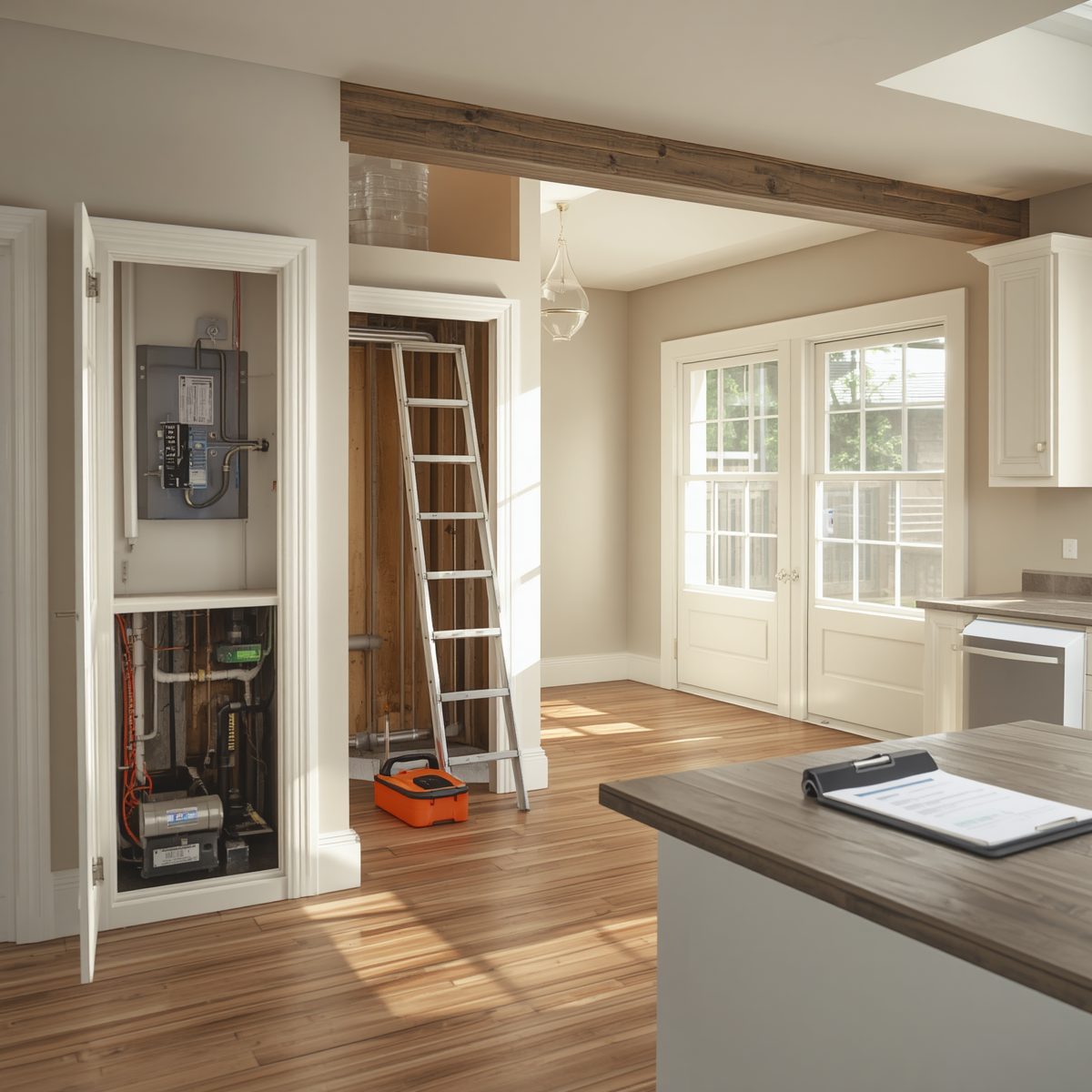
Buying a home is exciting, but there’s one part of the transaction that can quickly become emotional for everyone involved: the home inspection.
I’ve heard buyers ask, “Should we ask for this?”
I’ve heard sellers wonder, “Are they really expecting me to fix all of that?”
The truth is, inspection negotiations aren’t about right or wrong. They’re simply another stage of negotiation. Every buyer has a different comfort level, every seller has different priorities, and every home has its own story.
There isn’t a universal checklist that determines what’s “reasonable.” Instead, successful inspection negotiations happen when both parties understand the bigger picture and work toward a solution they can both accept.
The Inspection Isn’t a Pass or Fail Test
One of the biggest misconceptions about home inspections is that they’re designed to determine whether a house is “good” or “bad.”
They’re not.
A home inspection is simply a snapshot of the property’s condition on a particular day. Every home—even new construction—will have findings.
Some will be routine maintenance items.
Some will be cosmetic.
Some may point to larger concerns involving the home’s systems or structure.
The inspection doesn’t decide whether you should move forward. It simply gives you more information so you can make an informed decision.
That’s why I’ve always believed education is more valuable than emotion during this part of the process.
There Isn’t One “Correct” Inspection Request
This is something I stress with every client.
In both Virginia and West Virginia, inspection negotiations ultimately come down to purchaser discretion. No one—not your REALTOR®, not the seller, not the inspector—can decide what level of risk or comfort is appropriate for you.
What one buyer views as a deal breaker, another buyer may barely notice.
One family may happily purchase a home needing a new HVAC system because they planned renovations anyway.
Another buyer may not feel financially comfortable taking that on immediately after closing.
Neither perspective is wrong.
The important part is understanding your options and making decisions that align with your goals.
Why I Encourage Clients to Focus on Systems and Structure
Although every buyer has the right to request whatever concerns them, I often encourage clients to focus their negotiations on items involving the home’s major systems, structural integrity, or safety.
That doesn’t mean cosmetic items don’t matter.
It simply means there’s often a practical strategy behind prioritizing bigger concerns first.
Think about things like:
- Roofing concerns
- Foundation issues
- Electrical hazards
- Plumbing leaks
- HVAC failures
- Moisture intrusion
- Significant structural defects
These types of issues can be expensive, affect the home’s function, or create larger problems over time.
There’s another important consideration that many buyers don’t realize.
If significant defects are identified and negotiations fall apart, the seller may have disclosure obligations regarding those material defects in future transactions, depending on state law and the circumstances involved.
Because of that, sellers often have additional incentive to thoughtfully consider requests involving substantial issues.
That doesn’t guarantee they’ll agree.
It simply explains why negotiations surrounding major systems and structural concerns sometimes have a different dynamic than requests involving smaller cosmetic items.
Cosmetic Doesn’t Mean Unimportant
This is where I try to avoid blanket advice.
Minor scratches.
Loose cabinet pulls.
Paint touch-ups.
Small drywall repairs.
Sticky doors.
These things might feel important to one buyer and completely insignificant to another.
And that’s okay.
Sometimes those items become part of a larger conversation.
Sometimes buyers simply decide they’ll handle them after closing.
Sometimes sellers happily agree because they’re relatively inexpensive.
There isn’t a universal answer.
The goal isn’t to decide whether something is “worthy.”
The goal is deciding what matters most to you.
Every Seller Is Different, Too
Just as every buyer has a different comfort level, every seller approaches negotiations differently.
Some sellers would rather make repairs than renegotiate pricing.
Others prefer offering a credit.
Some are unable—or simply unwilling—to complete repairs before closing.
Others may have already priced the home knowing it would need updates.
This is why predicting inspection negotiations is nearly impossible.
No two sellers respond exactly alike.
The strongest strategy is approaching negotiations with realistic expectations, good information, and a willingness to have productive conversations.
Negotiation Is About Finding Common Ground
Inspection negotiations aren’t about “winning.”
They’re about determining whether both parties can reach an agreement they’re comfortable with.
Sometimes that’s repairs.
Sometimes it’s a credit.
Sometimes it’s adjusting the purchase price.
Sometimes it’s agreeing that no additional action is needed.
And occasionally, the answer is that both parties simply can’t come together.
While that’s disappointing, it’s also okay.
Not every transaction is meant to make it to the closing table, and forcing a deal rarely benefits anyone in the long run.
A Team Approach Makes a Difference
This is one of the reasons I spend so much time preparing clients before we ever receive an inspection report.
I don’t want anyone making decisions based solely on emotion.
Instead, we work through each item together, discussing:
- Is this a maintenance item?
- Is this typical for a home of this age?
- Does it affect safety or function?
- Is it likely to become more expensive if ignored?
- Is this something you’re comfortable addressing after closing?
Those conversations help create a strategy that fits each client’s goals instead of relying on generic advice from the internet.
It’s the same approach I discussed in The Art of Negotiation: What Really Happens Behind the Scenes. Every negotiation is different because every client is different.
Likewise, understanding What “As-Is” Really Means (For Buyers and Sellers) helps set realistic expectations before inspection negotiations even begin, while The Top Reasons Deals Fall Apart (And How to Avoid Them) highlights how thoughtful communication can keep transactions moving forward. And if you’ve read The Psychology of Homebuying: How Buyer Perception Shapes Every Showing, you’ll recognize that buyer perception doesn’t stop once the offer is accepted—it continues throughout the inspection process as well.
Closing Thoughts
Inspection negotiations aren’t about finding the “perfect” house.
They’re about understanding the home you’re buying and deciding whether its condition matches your comfort level, budget, and long-term goals.
Every buyer deserves to feel confident in their decision.
Every seller deserves a fair opportunity to respond.
When both sides approach the process with realistic expectations and a willingness to communicate, inspection negotiations become what they were always meant to be: another conversation focused on finding common ground.
Having an experienced REALTOR® beside you isn’t about telling you what you should ask for—it’s about helping you understand your options, discuss possible outcomes, and make informed decisions that fit your goals.
Why FSBO Isn’t Always the Money-Saving Move Sellers Think It Is

For Sale By Owner (FSBO) properties have been around for decades, and every year homeowners decide to test the waters without hiring a real estate agent.
On the surface, it makes sense.
If real estate commissions are one of the largest expenses associated with selling a home, why not keep that money in your own pocket?
It’s a fair question.
The reality, however, is that most homeowners quickly discover that selling a home involves much more than putting a sign in the yard, uploading a few photos online, and waiting for buyers to arrive.
As someone who works with sellers throughout Virginia and West Virginia, I’ve seen both sides of the equation. Some homeowners successfully sell on their own. Many more eventually hire an agent after realizing how much time, expertise, strategy, and risk management is involved.
The goal isn’t to convince everyone that FSBO is impossible.
It’s to help sellers understand what they’re truly taking on before deciding to go it alone.
Why Homeowners Choose FSBO
Most FSBO sellers start with good intentions.
Common reasons include:
- Saving commission costs
- Believing the market is strong enough to sell without help
- Having experience buying or selling in the past
- Wanting complete control over the process
- Assuming selling a home is relatively straightforward
And to be fair, some parts are straightforward.
Finding a buyer is only one piece of the puzzle.
The challenge is everything that happens afterward.
Selling the Home Is Easy. Managing the Transaction Is Hard
One of the biggest misconceptions about selling a home is that the hard part is finding a buyer.
In reality, finding a buyer is often the easiest part.
Managing everything that happens afterward is where sellers can quickly become overwhelmed.
Once an offer is accepted, you’re suddenly responsible for:
- Contract deadlines
- Earnest money tracking
- Inspection negotiations
- Appraisal issues
- Repair requests
- Title coordination
- Lender communication
- Closing preparation
- Addendums and amendments
- Legal disclosures
Miss a deadline, misunderstand a contingency, or overlook a contractual obligation, and the consequences can become expensive very quickly.
As I discussed in my article, “The Top Reasons Deals Fall Apart (And How to Avoid Them),” many transactions don’t fail because the house won’t sell. They fail because the process wasn’t properly managed.
A REALTOR® doesn’t just help find buyers. They help keep the transaction together once a buyer is found.
Scams Happen More Often Than You Think
Most sellers never consider the security risks associated with selling their home.
Unfortunately, scammers absolutely do.
A few common situations include:
- Fake buyers requesting personal information
- Wire fraud attempts
- Identity theft schemes
- Unauthorized access requests
- Individuals touring homes with no intention of purchasing
- Criminals using showings to gather information about valuables or occupancy patterns
Then there are the “lookie-loos” who simply want to see inside your home with no ability or intention to buy.
A REALTOR® serves as a gatekeeper.
Before someone walks through your front door, there are often conversations, vetting processes, lender verifications, scheduling systems, and accountability measures already in place.
Could a scam still happen?
Absolutely.
But having a professional helping manage access and communications significantly reduces your exposure.
Liability Doesn’t Disappear Just Because You Didn’t Hire An Agent
One of the most overlooked aspects of a FSBO sale is liability.
Many sellers assume they’re reducing costs by removing the REALTOR® from the equation.
What they’re actually doing is assuming responsibility for every decision themselves.
Mistakes happen.
The difference is knowing:
- Which mistakes matter
- How to avoid them
- How to correct them
- How to protect yourself when something goes wrong
Disclosure issues alone can create significant headaches long after closing.
A REALTOR® isn’t there to eliminate every risk.
They’re there to help identify potential problems before they become expensive ones.
Pricing Is Harder Than Most Sellers Realize
One of the biggest challenges for FSBO sellers is determining an accurate list price.
Most homeowners naturally have an emotional attachment to their property.
Unfortunately, buyers don’t.
As discussed in my article, “Why Zestimate Isn’t the Full Story (And What Actually Determines Value),” online estimates are often incomplete because they cannot fully account for:
- Condition
- Upgrades
- Layout functionality
- Market trends
- Buyer demand
- Neighborhood competition
- Property presentation
Pricing too high can cause a home to sit.
Pricing too low can leave money on the table.
Neither outcome is ideal.
This is where market analysis, local expertise, and pricing strategy become invaluable.
As a NAR Pricing Strategy Advisor (PSA), I spend a significant amount of time evaluating not only recent sales but also current competition, buyer behavior, and market conditions before recommending a pricing strategy.
Saving Commission Doesn’t Matter If You Lose More Somewhere Else
The most common reason sellers choose FSBO is simple:
They want to save money.
That’s understandable.
The challenge is that many sellers focus on the commission line item while overlooking all the other ways money can be lost during a transaction.
Potential costs can include:
- Underpricing the property
- Overpricing the property and chasing the market down
- Excessive inspection concessions
- Appraisal issues
- Contract mistakes
- Repair negotiations
- Extended carrying costs
- Additional mortgage payments
- Additional utilities
- Additional insurance costs
- Lost buyer opportunities
Studies have consistently shown that FSBO properties often sell for less than agent-assisted transactions.
Depending on the study and market conditions, that difference can range anywhere from approximately 2% to 16%.
When sellers focus solely on what they might save in commission, they often miss the much larger picture: what they may be losing elsewhere.
Buyers View Homes Differently Than Sellers
One of my favorite topics is buyer psychology.
As discussed in “The Psychology of Homebuying: How Buyer Perception Shapes Every Showing,” perception often becomes reality.
A seller may see:
- Character
A buyer may see:
- Deferred maintenance
A seller may see:
- Cozy
A buyer may see:
- Small
A seller may see:
- Unique
A buyer may see:
- Expensive to update
This doesn’t mean either party is wrong.
It simply means buyers evaluate homes through a completely different lens.
A good agent helps bridge that gap by identifying potential concerns before buyers ever walk through the door.
Marketing Is Limited
Years ago, simply listing a home online could generate significant activity.
Today’s buyers expect much more.
Effective marketing often includes:
- Professional photography
- Floor plans
- Video content
- Social media promotion
- Email marketing
- MLS exposure
- Agent-to-agent networking
- Open houses
- Strategic pricing campaigns
Many FSBO listings receive exposure, but not necessarily maximum exposure.
Through MLS syndication, agent networks, association memberships, automated valuation model integrations, and marketing systems, REALTORS® have access to resources that most homeowners simply don’t.
The more qualified buyers who see your home, the better your chances of creating competition and securing stronger offers.
For Sale By Owner Properties Often Spend More Time on the Market
Time is something many FSBO sellers underestimate.
Even if a home eventually sells, it may take longer to get there.
Without professional marketing, broad exposure, pricing guidance, and established buyer networks, properties can sit on the market longer than anticipated.
Sometimes that’s a week.
Sometimes it’s a month.
Sometimes it’s much longer.
And every additional day on market can create additional carrying costs, additional stress, and additional buyer skepticism.
Time Costs Money Too
One of the hidden expenses of a FSBO transaction is time.
Every phone call.
Every showing.
Every scheduling conflict.
Every inspection appointment.
Every repair estimate.
Every document review.
Every contract amendment.
Every buyer question.
Every lender request.
It all falls on the seller.
Many homeowners already work full-time jobs, have children, family obligations, travel schedules, and countless other responsibilities.
Selling a home can easily become a second job.
A REALTOR® takes much of that workload off your plate, allowing you to focus on your life while still keeping the transaction moving forward.
Because time has value too.
The Paperwork Isn’t Just Paperwork
One of the most dangerous assumptions a seller can make is:
“I’ll just use the contract someone sends me.”
The challenge isn’t accessing the paperwork.
The challenge is understanding it.
Real estate contracts contain:
- Contingencies
- Deadlines
- Notice periods
- Financing terms
- Inspection provisions
- Appraisal language
- Legal obligations
- Default provisions
Once you sign a contract, you’re accountable for what’s inside it.
If you don’t fully understand what you’re agreeing to, you can unintentionally place yourself in a difficult position.
This is one reason why experienced representation can be so valuable.
The paperwork isn’t just paperwork.
It’s the roadmap that governs the entire transaction.
Inspections Can Become Expensive Very Quickly
Most sellers assume inspections are straightforward.
They’re often anything but.
Without understanding what is customary, negotiable, required, or simply a buyer preference, sellers can find themselves agreeing to repairs they may not have needed to make.
I’ve often said:
Everything is negotiable until you get to the closing table.
The challenge is knowing where to negotiate, when to stand firm, and when a concession actually makes sense.
An experienced REALTOR® helps sellers navigate these conversations strategically instead of emotionally.
Sellers Can Get Stuck With a Bad Deal
Another common misconception is that any offer is a good offer.
The reality is that not all contracts are created equal.
Price matters.
But terms matter too.
A higher offer with unfavorable contingencies, unrealistic timelines, weak financing, or excessive demands can ultimately cost a seller more than a lower-priced but stronger offer.
Once a contract is signed, sellers are generally held accountable to what they’ve agreed to.
If you don’t know what to look for, you can easily find yourself stuck dealing with consequences that could have been avoided.
Representation Matters More Than Most Sellers Realize
Perhaps the biggest difference between selling with a REALTOR® and selling without one comes down to a simple question:
Who is looking out for you?
When a buyer has representation and a seller does not, one side of the transaction has a professional advisor helping them navigate every decision.
The other side is left figuring it out as they go.
A REALTOR® provides:
- Strategy
- Guidance
- Negotiation expertise
- Vendor resources
- Market knowledge
- Problem solving
- Risk management
- Transaction coordination
As discussed in “Proactive vs. Reactive Listing Agents: Why the Difference Matters More Than Sellers Realize,” the best outcomes often come from preventing problems before they happen—not simply reacting once they do.
And that’s where professional representation often delivers its greatest value.
FAQs
Can I sell my house without a REALTOR®?
Absolutely. Homeowners have every right to sell their property themselves. The question isn’t whether it’s possible—it’s whether it’s the best strategy for your goals, timeline, and risk tolerance.
Do FSBO homes sell for less?
Many studies have shown that FSBO properties often sell for less than agent-assisted sales. While every situation is unique, sellers should consider the entire financial picture rather than focusing solely on commission savings.
Why do FSBO homes sometimes take longer to sell?
Limited marketing exposure, pricing challenges, and reduced buyer reach can all contribute to longer days on market.
What is the biggest risk of selling a home yourself?
For many sellers, the biggest risks involve contract management, disclosure issues, liability concerns, negotiations, and navigating unexpected problems during the transaction.
Is hiring a REALTOR® worth it?
That depends on your goals and comfort level. For many sellers, the value comes from professional guidance, market expertise, negotiation skills, risk management, and having someone advocating for their interests from listing to closing.
Closing Thoughts
Selling your home is one of the largest financial transactions you’ll ever make.
For some homeowners, FSBO can absolutely work.
But before deciding to go it alone, it’s important to understand that selling a home isn’t just about finding a buyer.
It’s about managing risk, protecting your interests, navigating negotiations, understanding contracts, coordinating timelines, solving problems, and successfully getting to the closing table.
A good REALTOR® isn’t there to take control away from you.
They’re there to provide guidance, strategy, expertise, and support so you can make informed decisions while avoiding many of the costly pitfalls that can arise along the way.
The goal isn’t simply to sell your home.
The goal is to sell it strategically, protect your bottom line, and get to closing with as few surprises as possible.
How Much Home Can You Actually Afford vs. What You Should Spend

One of the most common questions I hear from buyers is:
“How much house can I afford?”
It’s a great question—but I think there’s a better one:
“How much house should I spend?”
Those two numbers are often very different.
When buyers receive their pre-approval letter, it’s easy to view that number as a target. If a lender says you’re approved for $400,000, many people naturally assume they should shop for homes around $400,000.
But that’s not necessarily how I approach the conversation.
In fact, one of the most important discussions I have with buyers is about understanding the difference between purchasing power and spending power.
Because purchasing power isn’t about spending every dollar available to you.
It’s about having options.
What Your Pre-Approval Actually Means
A pre-approval is an important first step in the homebuying process. As we discussed in my previous blog, “Pre-Approved vs. PreQualification: Why it Matters More Than You Think,” a true pre-approval gives buyers a realistic understanding of what financing may be available to them.
However, a pre-approval doesn’t tell you what you must spend.
It simply tells you the range of homes that may be available to you based on your financial qualifications.
Think of it this way:
Your pre-approval is a tool.
It’s not a spending assignment.
And that’s a distinction that can save buyers a lot of stress and help them make better long-term decisions.
Purchasing Power Isn’t About Spending It—It’s About Options
Let’s use a real-world example.
Imagine a buyer is pre-approved for $400,000.
They tell me they’re most comfortable spending around $350,000.
Perfect.
That comfort level matters.
But here’s where many buyers make a mistake.
They immediately want to cap their search at $350,000.
My response is often:
“Why would we eliminate options?”
If we’re approved to $400,000 but hoping to stay around $350,000, I typically encourage buyers to search within the broader range while keeping their desired budget in mind.
Why?
Because what happens if the perfect home appears at $360,000?
The ideal location.
The right floor plan.
The perfect yard.
The right school district.
The features you’ve been searching for during every showing.
Would it make sense to miss that opportunity because we artificially limited our search before seeing what was available?
That’s where purchasing power becomes valuable.
Not because we’re trying to spend more.
Because we’re preserving options.
The Monthly Payment Perspective
One of the exercises I frequently walk buyers through is translating purchase price into monthly payment.
Many buyers see a $10,000 difference in price and assume it’s a massive jump in affordability.
Sometimes it is.
Often it isn’t.
As a rough rule of thumb, every additional $10,000 in purchase price frequently translates to somewhere between $50 and $100 per month in payment, depending on interest rates, taxes, insurance, down payment, and financing terms.
That isn’t a guarantee, and your lender should always provide exact numbers for your situation, as these factors can possibly sway this number even lower or higher.
But it does help create perspective.
Let’s compare:
- Home A: $350,000
- Home B: $360,000
On paper, the difference is $10,000.
Emotionally, that can feel significant.
But when translated into a monthly payment, buyers often realize the actual impact may be much smaller than they expected.
That doesn’t automatically mean spending more is the right answer.
It simply means you’re making a decision based on real numbers instead of assumptions.
Affordability Isn’t Just About the Mortgage
One of the biggest mistakes buyers make is focusing solely on the mortgage payment.
Homeownership includes much more than principal and interest.
There are also:
- Property taxes
- Homeowners insurance
- HOA fees
- Utilities
- Maintenance and repairs
- Landscaping
- Future upgrades and improvements
The larger the home, the larger many of these expenses become.
That’s why I always encourage buyers to think beyond the purchase price and consider their overall financial picture.
This is a topic that also connects nicely to our blog “Real Estate FAQs: Answers to the Questions Buyers and Sellers Ask Most,” because one of the most common questions buyers ask is what their true monthly ownership costs will be after closing.
The answer is almost always more than just the mortgage payment.
Lifestyle Matters More Than Approval Amount
One thing lenders can’t calculate is your lifestyle.
They don’t know:
- How much you enjoy traveling
- Whether you’re saving for retirement
- Business goals
- Hobbies
- Emergency fund preferences
- Future investment plans
Only you know those things.
That’s why I often encourage buyers to establish three different numbers before we start shopping.
Your Comfortable Number
A payment that leaves plenty of room for life.
Your Stretch Number
A payment that still works but requires a bit more planning.
Your Maximum Number
A payment you could comfortably handle if the right home came along.
Notice I didn’t say lender maximum.
I mean your personal maximum.
The number that still allows you to sleep well at night.
The Right House Isn’t Always the Cheapest One
Sometimes buyers assume the smartest financial decision is always choosing the least expensive option.
Sometimes that’s true.
Sometimes it isn’t.
If spending an additional $10,000 or $20,000 means finding a home that better fits your long-term needs, eliminates future moves, provides a superior location, or significantly improves your quality of life, it may actually be the better value.
The key is understanding the tradeoffs.
Not making decisions based solely on list price.
Understanding Your Financing Options
Another reason this conversation matters is because financing choices can dramatically impact affordability.
As discussed in “USDA, FHA, VA, Conventional: Which Loan Actually Fits You Best?“, different loan programs can create very different monthly payment scenarios even at the same purchase price.
The right loan product can increase flexibility, lower monthly costs, and expand your options.
But regardless of the loan type, the goal remains the same:
Use your purchasing power strategically.
Not emotionally.
The Role of a Good Realtor
A good Realtor doesn’t just help you find houses.
A good Realtor helps you evaluate choices.
Part of my job is helping buyers understand the difference between what they can do and what they want to do.
Sometimes that means helping a buyer stay comfortably below their approval amount.
Sometimes it means helping them realize that an extra $10,000 or $20,000 may not have the impact they assumed.
Most importantly, it means helping them make informed decisions based on facts, goals, and long-term plans—not fear or assumptions.
I don’t view purchasing power as a spending target.
I view it as a menu.
The goal isn’t to order the most expensive thing on the menu.
The goal is to understand all of your options before deciding what’s right for you.
Frequently Asked Questions
Should I shop at the top of my pre-approval range?
Not necessarily. Your pre-approval represents available purchasing power, not a required spending amount. Many buyers choose to spend less than their maximum approval while still using the full range to explore their options.
Is it smart to look at homes above my target budget?
Often, yes. Looking slightly above your target budget can help you understand the market and avoid overlooking a home that may ultimately be worth the small difference in monthly payment.
How much does an extra $10,000 typically add to a mortgage payment?
While every loan is different, many lenders estimate that each additional $10,000 in purchase price may add approximately $50 to $100 per month depending on financing terms, taxes, insurance, and current interest rates. Make sure to speak to your lender for the most accurate reply, as there are factors that could sway this number even lower or higher.
Should I spend less than I’m approved for?
That depends on your goals, lifestyle, savings plans, and comfort level. The right answer is different for every buyer.
What’s the biggest affordability mistake buyers make?
Focusing solely on purchase price rather than evaluating the overall monthly financial impact and long-term lifestyle implications.
Closing Thoughts
The question isn’t simply how much house you can afford.
The better question is how much house helps you achieve the life you want.
A pre-approval provides purchasing power.
Purchasing power creates options.
And options create opportunities.
The goal isn’t to spend the most money possible.
The goal is to understand your choices, evaluate them strategically, and make the decision that best supports your long-term goals.
That’s where smart homebuying begins.
What “As-Is” Really Means (For Buyers and Sellers)

If I had a dollar for every time someone heard the words “as-is” and immediately assumed a home was falling apart, I could probably buy a vacation house myself.
The truth is, “as-is” is one of the most misunderstood terms in real estate.
Buyers often hear it and think:
“What’s wrong with the house?”
Sellers often hear it and think:
“Great. That means I don’t have to worry about anything.”
Neither assumption is entirely correct.
Like most things in real estate, the reality lives somewhere in the middle.
Understanding what “as-is” actually means—and what it doesn’t mean—can help both buyers and sellers make better decisions, avoid unnecessary stress, and keep transactions moving toward a successful closing.
What Does “As-Is” Actually Mean?
At its simplest, an “as-is” sale means the seller is offering the property in its current condition.
The seller is essentially saying:
“This is the home as it exists today. I do not intend to make repairs or improvements before closing.”
Notice what that statement does not say.
It does not mean:
- The house has major problems.
- The house is unsafe.
- The house won’t pass inspections.
- The buyer cannot perform inspections.
- The buyer cannot negotiate.
Those assumptions create a lot of confusion—and sometimes cause buyers to walk away from perfectly good opportunities.
For Buyers: Don’t Let “As-Is” Scare You
One of the conversations I frequently have with buyers is this:
“As-is doesn’t automatically mean poor condition.”
There are countless reasons a seller may choose to sell a property as-is.
Some examples include:
- An estate sale
- Relocation
- Downsizing
- Financial planning decisions
- Time constraints
- A seller who simply doesn’t want to manage repairs
- A homeowner who isn’t physically able to coordinate contractors
In many cases, the home may be exceptionally well maintained.
The seller simply doesn’t want to commit to additional projects before moving.
This is where buyer perception becomes incredibly important.
As we discussed in The Psychology of Homebuying: How Buyer Perception Shapes Every Showing, buyers often create stories in their minds before they ever have all the facts.
The words “as-is” can trigger assumptions that aren’t supported by reality.
That’s why it’s important to evaluate the actual condition of the property—not just the label attached to it.
You Can Still Get Inspections
One of the biggest misconceptions is that an as-is sale means buyers lose the right to inspect the property.
In most situations, that’s simply not true.
Buyers can often still:
- Conduct a home inspection
- Perform specialized inspections
- Evaluate major systems
- Review repair estimates
- Make informed decisions about moving forward
The inspection isn’t just about finding problems.
It’s about understanding what you’re buying.
Every home—whether it’s one year old or one hundred years old—has imperfections.
The goal is information.
Everything Is Negotiable Until Closing
Here’s another conversation I have regularly with buyers:
Just because a home is listed as-is doesn’t mean negotiation disappears.
If an inspection reveals something significant, you can still have a conversation.
You can still ask.
You can still negotiate.
The seller may say yes.
The seller may say no.
The seller may offer an alternative solution.
The seller may provide a credit.
The seller may adjust pricing.
The seller may stand firm.
The point is that a discussion can still happen.
As I often tell clients:
Everything is negotiable until you get to the closing table.
The key is understanding expectations before entering negotiations.
Rainbows, Unicorns, and Worst-Case Scenarios
One of my favorite buyer consultation exercises is what I call the “rainbows and unicorns to worst-case scenario” conversation.
We discuss:
Best Case
The inspection reveals only minor maintenance items.
Most Likely Case
The inspection uncovers a handful of typical homeowner items that come with nearly every property.
Worst Case
A major issue appears that significantly changes the risk profile of the home.
By discussing all possibilities upfront, buyers are better prepared to make informed decisions rather than emotional ones.
The goal isn’t to scare anyone.
The goal is to remove surprises.
For Sellers: “As-Is” Comes With Trade-Offs
On the seller side, many homeowners love the idea of listing as-is because it sounds simple.
And sometimes it absolutely makes sense.
However, there are trade-offs that sellers need to understand.
The biggest one?
Buyer perception.
Even if your home is in excellent condition, some buyers will immediately assume there are hidden problems.
Some buyers won’t even schedule a showing.
Some agents won’t properly explain the situation to their clients.
Some buyers will mentally discount the value of the property before they’ve ever walked through the front door.
Whether those assumptions are fair isn’t really the point.
The perception exists.
And perception drives behavior.
As we discussed in What Buyers Notice Immediately When Walking Into Your Home, buyers often form opinions within moments of entering a property.
The same thing happens online before they ever visit.
The words “as-is” become part of the first impression.
Could You Be Limiting Your Buyer Pool?
Potentially.
Not always.
But potentially.
Some buyers:
- Have limited repair budgets.
- Want turnkey homes.
- Are nervous about maintenance.
- Have never purchased a home before.
- Misunderstand what as-is means.
These buyers may eliminate the property before they ever learn the facts.
That doesn’t mean sellers shouldn’t list as-is.
It simply means they should understand how the market may respond.
The Importance of Setting Expectations
This is where strategy matters.
A proactive listing agent should help sellers understand:
- How buyers may interpret “as-is”
- What questions buyers will likely ask
- How inspections may impact negotiations
- What repairs may become discussion points
- How to position the property effectively
This ties directly into our discussion in Proactive vs. Reactive Listing Agents: Why the Difference Matters More Than Sellers Realize.
It’s always better to discuss potential buyer reactions before the property hits the market than to be surprised by them later.
Should Sellers Complete Repairs Before Listing?
Sometimes yes.
Sometimes no.
The answer depends on:
- Budget
- Timeline
- Market conditions
- Property condition
- Buyer demand
- Seller goals
This is why there is no one-size-fits-all strategy.
Some repairs provide tremendous value.
Others provide very little return.
The key is understanding which issues truly matter to buyers and which don’t.
The Real Goal: Clarity
Whether you’re buying or selling, “as-is” should not create fear.
It should create clarity.
For buyers, it means understanding the property’s condition and making informed decisions.
For sellers, it means understanding how buyers may perceive the property and planning accordingly.
The most successful transactions happen when everyone enters the process with realistic expectations.
Not just rainbows and unicorns.
Not just worst-case scenarios.
But a clear understanding of everything in between.
FAQs
Does “as-is” mean the seller won’t negotiate?
Not necessarily. It means the seller is expressing an intention not to make repairs, but buyers can still ask for concessions, credits, or other solutions if issues arise.
Can I still get a home inspection on an as-is property?
In many cases, yes. Buyers should always discuss inspection rights and contingencies with their real estate professional.
Does an as-is home have major problems?
Not at all. Many as-is homes are well maintained. Sellers may choose the designation for reasons completely unrelated to the property’s condition.
Should sellers always avoid listing as-is?
No. There are situations where it makes perfect sense. The important thing is understanding how buyers may perceive the designation and preparing accordingly.
Can an as-is deal still fall apart?
Yes. Just like any transaction, inspections, financing, appraisal issues, and buyer circumstances can impact a sale. Proper expectations and communication help reduce risk.
Closing Thoughts
The words “as-is” carry a lot more emotional weight than they probably should.
For buyers, it’s important to remember that “as-is” doesn’t automatically mean “run away.”
For sellers, it’s important to understand that buyer perception matters, even when those perceptions aren’t entirely accurate.
The best approach is always the same one I use with my clients: discuss the rainbows and unicorns, discuss the worst-case scenarios, and then build a strategy based on the reality that usually exists somewhere in the middle.
The Top Reasons Real Estate Deals Fall Apart (And How to Avoid Them)

Buying or selling a home can feel like crossing the finish line once an offer is accepted.
The reality?
Getting under contract is often just the beginning.
While the majority of real estate transactions successfully close, there are several common obstacles that can derail a deal along the way. Some are preventable. Others are manageable with the right preparation, communication, and strategy.
One of the most important roles a real estate professional plays is helping clients identify potential issues before they become deal-breakers.
Let’s look at the most common reasons contracts fall apart—and what buyers and sellers can do to avoid them.
Financing Problems
This is one of the biggest reasons transactions fail.
Many buyers begin their home search based on what they believe they can afford rather than what has been fully verified by a lender. Sometimes changes occur during the contract period that impact loan approval, including:
- New debt
- Employment changes
- Credit score changes
- Undocumented funds
- Insufficient assets for closing
This is exactly why I often stress the importance of obtaining a strong pre-approval before house hunting.
As discussed in my blog, “Pre-Approved vs. PreQualification: Why it Matters More Than You Think,” there is a significant difference between a casual estimate and a lender thoroughly reviewing your financial profile.
How to Avoid It
For Buyers:
- Obtain a full pre-approval before shopping
- Avoid large purchases during the transaction
- Don’t open new credit accounts
- Respond quickly to lender requests
For Sellers:
- Review the strength of financing when evaluating offers
- Consider more than just the purchase price
Home Inspection Issues
A home inspection doesn’t kill deals.
Surprises do.
Many contracts become strained when buyers discover issues they weren’t expecting or sellers are unprepared for concerns that arise.
Common inspection concerns include:
- Roof issues
- Electrical deficiencies
- HVAC problems
- Plumbing concerns
- Moisture or drainage issues
- Structural defects
Often, the problem isn’t the issue itself—it’s the expectation gap surrounding it.
This ties directly into “The Psychology of Homebuying: How Buyer Perception Shapes Every Showing.” Buyers often form emotional impressions long before an inspection report arrives.
When a home appears well-maintained, buyers are more likely to view inspection findings as normal maintenance items. When a property already raises concerns, inspection discoveries can feel much larger than they actually are.
How to Avoid It
For Sellers:
- Consider a pre-listing inspection
- Address known issues proactively
- Disclose concerns honestly
For Buyers:
- Understand that no home is perfect
- Focus on material defects versus cosmetic imperfections
- Lean on professional guidance when evaluating findings
Appraisal Challenges
Appraisals can become a major hurdle, especially in competitive markets.
Even when a buyer is willing to pay a premium, the lender still needs evidence that the value supports the loan amount.
An appraisal that comes in below the contract price can create several outcomes:
- Price reductions
- Renegotiations
- Increased down payments
- Contract termination
This is where pricing strategy matters tremendously.
In my blog about pricing homes strategically rather than emotionally, “Pricing Your Home Right: Strategy Over Guesswork” I discussed why pricing isn’t guesswork. Market value is supported by data, not wishful thinking.
As a NAR Pricing Strategy Advisor (PSA), one of my responsibilities is helping sellers understand both market value and likely lender-supported value.
How to Avoid It
For Sellers:
- Price strategically from the beginning
- Review comparable sales carefully
- Understand market realities
For Buyers:
- Discuss appraisal gap strategies before writing offers
- Understand potential out-of-pocket requirements
Buyer Cold Feet
Sometimes buyers simply get nervous.
Buying a home is one of the largest financial decisions most people will ever make.
Common fears include:
- Monthly payment concerns
- Job security worries
- Fear of making the wrong choice
- Anxiety about future market conditions
This is especially common when buyers haven’t fully worked through their goals and expectations before shopping.
I’ve often said that my role isn’t simply opening doors—it’s helping clients make confident, informed decisions.
The strongest buyers aren’t necessarily the most qualified financially. They’re often the most prepared mentally and emotionally.
How to Avoid It
For Buyers:
- Define your goals before beginning your search
- Understand your budget thoroughly
- Focus on long-term needs rather than short-term emotions
For Agents:
- Have honest conversations early
- Educate rather than pressure
Repair Negotiation Breakdowns
Sometimes both parties want the transaction to succeed.
They just can’t agree on repairs.
This is where experience and negotiation skill become critical.
As discussed in “The Art of Negotiation: What Really Happens Behind the Scenes,” successful negotiations are rarely about winning.
They’re about finding solutions.
The best negotiators focus on:
- The actual problem
- Practical solutions
- Preserving momentum
- Keeping emotions under control
How to Avoid It
For Buyers:
- Prioritize major concerns
- Avoid turning inspections into wish lists
For Sellers:
- Stay flexible
- Evaluate requests objectively
For Both Parties:
- Remember the ultimate goal is closing successfully
Title, Survey, and Property Issues
Occasionally, problems emerge that neither party expected.
Examples include:
- Boundary disputes
- Unknown easements
- Title defects
- Permit issues
- Unresolved liens
These situations can delay—or sometimes derail—a transaction if they aren’t resolved quickly.
How to Avoid It
For Sellers:
- Gather property documentation early
- Resolve known issues before listing
For Buyers:
- Work with experienced professionals
- Review title commitments carefully
Poor Communication
If I had to choose one issue that contributes to almost every failed transaction, it would be communication.
Misunderstandings create uncertainty.
Uncertainty creates fear.
Fear creates conflict.
Many transactions can be saved simply by maintaining clear expectations and consistent communication throughout the process.
This is one reason I emphasize a proactive approach rather than a reactive one.
Waiting until problems appear often limits available solutions.
Anticipating challenges allows everyone to address them before they become emergencies.
The Best Way to Keep a Deal Together
There is no way to eliminate every risk in a real estate transaction.
But there is a tremendous difference between being surprised by a challenge and being prepared for one.
The most successful transactions share several common characteristics:
- Strong preparation
- Realistic expectations
- Clear communication
- Strategic negotiation
- Proactive problem solving
Buying and selling real estate will always involve moving parts.
The goal isn’t perfection.
The goal is having a plan when those moving parts inevitably appear.
FAQs
What is the most common reason a real estate deal falls apart?
Financing issues remain one of the most common causes, followed closely by inspection concerns and appraisal challenges.
Can a deal fall apart after the inspection?
Yes. If buyers and sellers cannot agree on repairs, credits, or solutions, a contract can be terminated depending on the terms of the agreement.
What happens if an appraisal comes in low?
The parties may renegotiate the price, the buyer may bring additional funds, or the contract may terminate if an agreement cannot be reached.
How often do buyers back out of contracts?
While most transactions close successfully, buyer uncertainty, financing issues, and inspection concerns can occasionally lead to contract cancellations.
Can a good Realtor® prevent deals from falling apart?
No agent can eliminate every risk, but experienced agents often identify issues early, manage expectations, improve communication, and create solutions that keep transactions moving forward.
Closing Thoughts
Most deals don’t fall apart because of one catastrophic event.
More often, they fall apart because small issues weren’t addressed early enough.
Preparation, communication, and strategy can make all the difference between a stressful transaction and a successful closing.
Whether you’re buying your first home, selling your current one, or trying to do both at the same time, understanding the common pitfalls can help you navigate the process with confidence—and avoid becoming another deal that never makes it to the closing table.
Most Common Real Estate FAQs: Answers for Buyers, Sellers, and Homeowners Doing Both

Buying, Selling, or Both? Here Are the Answers to the Questions I Hear Most Often
Whether you’re buying your first home, selling your current one, or trying to coordinate both at the same time, real estate comes with a lot of moving pieces—and a lot of questions.
One of the biggest misconceptions about real estate is that everyone should follow the same path. In reality, every client has different goals, timelines, finances, and priorities. That’s why so much of my job involves helping clients understand their options so they can make informed decisions that fit their situation.
Over the years, I’ve noticed many of the same questions come up repeatedly. If you’ve ever wondered whether you should buy first or sell first, how much money you’ll need, or whether online estimates are accurate, you’re not alone.
Let’s tackle some of the most common questions I hear from buyers, sellers, and homeowners planning to do both.
FAQs for Home Buyers
How Much House Can I Actually Afford?
The answer isn’t always what a lender says you can afford.
A lender may approve you for a certain amount, what I call Purchasing Power, but that doesn’t necessarily mean you’ll feel comfortable with that monthly payment. Purchasing power is about options, not about what you have to spend; ultimately finding what feels right in the overall picture of your goals is just that, the goal.
I encourage buyers to look at:
- Monthly payment comfort level
- Savings goals
- Emergency funds
- Lifestyle priorities
- Future plans
This ties directly into my previous article, “The Hidden Costs of Buying a Home (That No One Talks About Enough),” where I discuss expenses beyond the mortgage payment that many buyers overlook.
Should I Get Pre-Approved Before Looking at Homes?
Absolutely.
In fact, one of the first conversations I have with buyers is about financing.
A pre-approval helps:
- Establish a realistic budget
- Strengthen your offer
- Identify potential lending issues early
- Reduce surprises later
If you’re unsure of the difference between financing terms, my article “Pre-Approved vs. PreQualification: Why it Matters More Than You Think“ is a great companion resource.
How Much Money Do I Need for a Down Payment?
Not as much as many people think.
Depending on the loan program, buyers may qualify with much less down than the traditional 20%.
Programs such as:
- USDA
- FHA
- VA
- Conventional
all have different requirements and benefits.
For a deeper dive, see my article “USDA, FHA, VA, Conventional: Which Loan Actually Fits You Best?“
Should I Wait for Interest Rates to Drop?
This is one of the most common questions I hear.
The challenge is that no one knows exactly what rates, prices, inventory, or competition will do next.
What matters most is whether:
- The payment works for your budget
- The home fits your goals
- The timing aligns with your life
This connects closely with my article “The Real Cost of Waiting Too Long to Buy (That Isn’t Just Interest Rates).”
How Competitive Is the Market Right Now?
The answer varies by:
- Price point
- Location
- Property condition
- Inventory levels
I’ve seen situations where buyers have little competition and others where multiple offers still occur.
Every market contains micro-markets.
That’s one reason strategy matters far more than headlines.
FAQs for Home Sellers
How Do I Know What My Home Is Worth?
This is probably the number one seller question.
Online estimates can be useful starting points, but they don’t tell the full story.
True market value depends on:
- Location
- Condition
- Updates
- Buyer demand
- Comparable sales
- Market trends
This is exactly why I wrote “Why ‘Zestimate’ Isn’t the Full Story (And What Actually Determines Value).“
As a Pricing Strategy Advisor (PSA) certified through the National Association of REALTORS®, I believe pricing should be based on data, market conditions, and buyer behavior—not guesswork.
Should I Price High and Leave Room to Negotiate?
Usually not.
Overpricing often creates the opposite effect sellers hope for.
Buyers today are educated and have access to extensive market information.
An overpriced home can:
- Sit longer
- Generate fewer showings
- Receive lower offers
- Require future price reductions
For a deeper look, read “Pricing Your Home Right: Strategy Over Guesswork.”
What Should I Fix Before Listing?
Not every project is worth doing.
The goal isn’t perfection.
The goal is maximizing buyer appeal and minimizing objections.
I often advise clients to focus on:
- Deferred maintenance
- Cleanliness
- First impressions
- Safety concerns
- Simple cosmetic improvements
This ties directly into “What Buyers Notice Immediately When Walking Into Your Home.”
Why Isn’t My Home Getting Showings?
When showings are low, I look at several factors:
- Pricing
- Marketing
- Photography
- Condition
- Competition
- Buyer perception
Notice that last one.
Buyer perception influences nearly every real estate decision.
That’s why my article “The Psychology of Homebuying: How Buyer Perception Shapes Every Showing“ is such an important resource for sellers.
Do I Really Need a Listing Agent?
Technically, no.
But having the right listing agent can dramatically impact your outcome.
A proactive agent should help identify potential concerns before buyers do—not simply react after negative feedback arrives.
For more on that topic, see “Proactive vs. Reactive Listing Agents: Why the Difference Matters More Than Sellers Realize.”
FAQs for Homeowners Who Need to Buy and Sell
Should I Buy First or Sell First?
This is one of the most common strategic questions I receive.
The answer depends on:
- Equity position
- Financing options
- Risk tolerance
- Inventory availability
- Timing needs
There is no one-size-fits-all answer.
In fact, I recently explored this topic in “Should You Sell First or Buy First? Strategy Based on Your Situation.“
What If I Need the Equity From My Current Home?
Many homeowners do.
Fortunately, there may be options available depending on your situation, including:
- Traditional contingent sales
- Bridge financing
- Buy Before You Sell programs
- Home equity products
This is why planning early is so important.
How Do I Coordinate Both Transactions?
Successfully coordinating both transactions requires:
- Clear timelines
- Financing strategy
- Backup plans
- Communication between all parties
This is often where experience and proactive planning create the greatest value. If possible, try to work with the same agent for both transaction and if you cannot, make sure your agents are communicating regularly as their success will be directly tied to your success in a seamless transition.
The goal is reducing stress and avoiding unnecessary surprises.
Can I Stay in My Home After Closing?
Sometimes.
Options may include:
- Rent-back agreements
- Extended occupancy agreements
- Flexible closing structures
The availability depends on market conditions and negotiations, though the risks and liabilities can be great with these options. There are possible third solutions and an experienced agent with the savvy and knowledge of the nuance to accomodate this is the best way to accomplish your needs.
What Most People Get Wrong
One of the biggest misconceptions in real estate is that every transaction follows the same formula.
It doesn’t.
Two buyers with identical budgets may need completely different strategies.
Two sellers in the same neighborhood may require entirely different pricing and marketing approaches.
The most successful transactions happen when decisions are based on facts, goals, and strategy—not assumptions.
Frequently Asked Questions
Is now a good time to buy a home?
The right time to buy depends more on your finances, goals, and readiness than headlines about the market.
Is now a good time to sell?
That depends on local inventory levels, buyer demand, pricing strategy, and your future plans.
How long does it take to buy a home?
Most transactions close within 30-45 days after contract ratification, though timelines vary.
How long does it take to sell a home?
Every property is different, but pricing, condition, marketing, and market conditions all impact timing.
Do I need 20% down?
No. Many loan programs allow significantly lower down payments.
Should I renovate before selling?
Sometimes. The key is identifying improvements that create value rather than simply creating expense.
How accurate are online home values?
They can be useful starting points but should never replace a professional market analysis.
What’s the first step if I need to buy and sell?
Start with a strategy conversation. Understanding your options early creates more flexibility later.
Closing Thoughts
Real estate is full of questions—and honestly, that’s a good thing.
The clients who ask questions tend to make better decisions because they understand their options, potential risks, and available opportunities.
Whether you’re buying your first home, selling your current one, or trying to coordinate both at the same time, having a clear strategy can make the entire process feel much more manageable.
The goal isn’t simply getting to the closing table. The goal is helping you make confident, informed decisions every step of the way.
Custom Home Building: The Dream, The Reality, and What Buyers Need to Know Before Breaking Ground
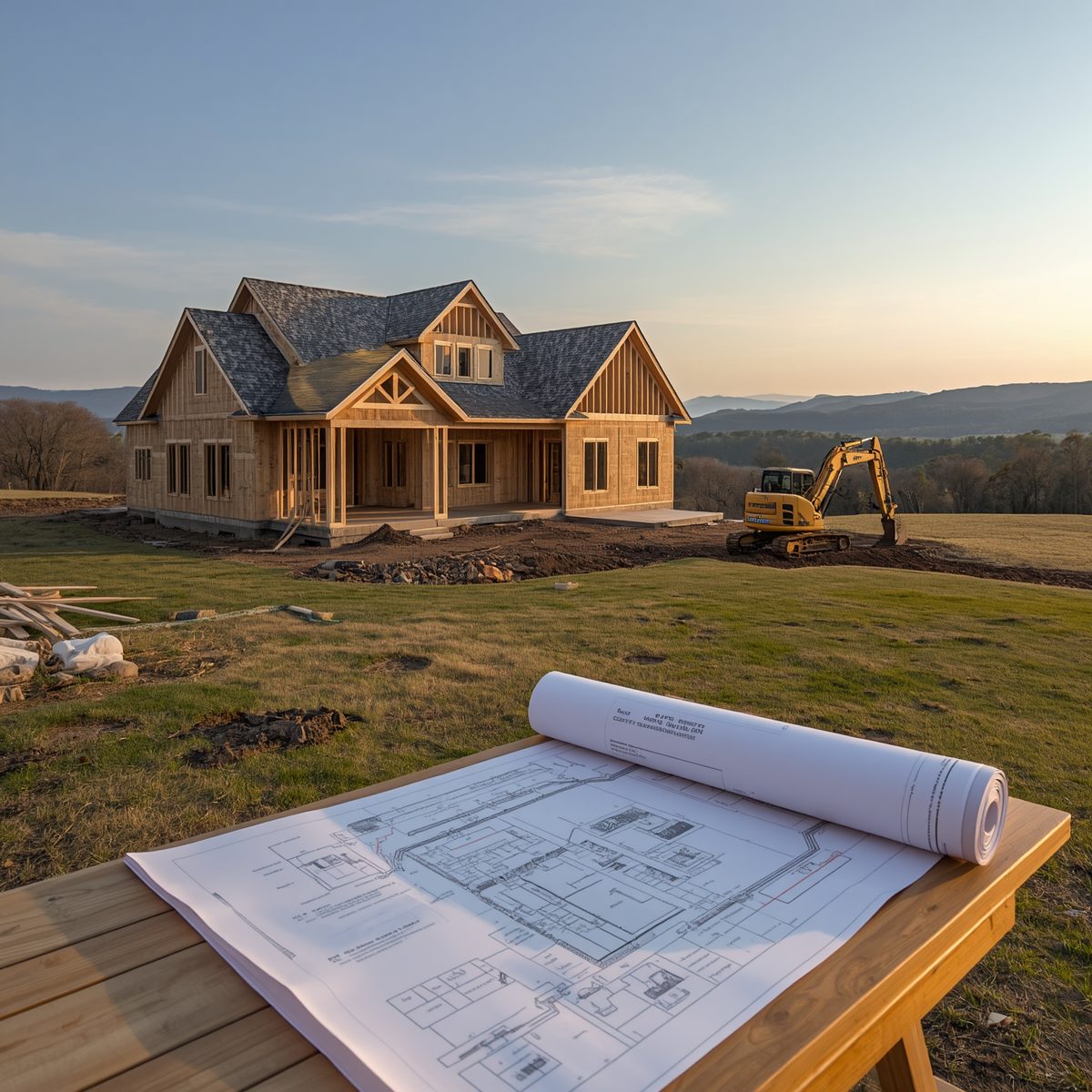
For many people, building a custom home is the ultimate real estate dream.
You find the perfect piece of land, design the perfect floor plan, choose every finish, and create a home that’s uniquely yours.
And honestly? It can be an incredible experience.
But it can also be one of the most complex, unpredictable, and emotionally demanding paths to homeownership.
As someone who enjoys helping clients explore land purchases, rural properties, and new construction opportunities throughout Virginia and West Virginia, I’ve noticed that many buyers focus heavily on the home itself while underestimating everything that happens before construction even begins.
The reality is that building a custom home isn’t simply purchasing a house.
It’s managing a project.
Understanding that difference from the beginning can make all the difference in whether the experience feels exciting or overwhelming.
Before You Build a House, You’re Really Developing Land
One of the biggest misconceptions about custom construction is that once you’ve purchased a piece of land, you’re ready to start building.
In reality, the land often determines what can be built, where it can be built, and how much it will cost to build.
This is one reason I frequently encourage buyers to look beyond the purchase price of a parcel and evaluate the property’s overall feasibility.
In my article, “Understanding Well and Septic Systems in the Winchester and Shenandoah Valley Real Estate Market,” I explain how what lies beneath a property can be just as important as what sits on top of it. When you’re building a custom home, that reality becomes even more important because soil conditions, well placement, septic feasibility, drainage concerns, and utility access can all affect both your budget and your building plans.
Questions that often need answers include:
- Where will the well be located?
- Will the property support a conventional septic system?
- Is electricity readily available?
- Are there drainage concerns?
- Are there easements or setbacks that impact building locations?
- What type of excavation will be required?
The land itself may ultimately dictate many of the decisions that follow.
The Budget Number Isn’t Always the Final Number
This is where I find many buyers get caught off guard.
When purchasing an existing home, the purchase price is generally known upfront.
Custom construction is different.
While builders work hard to provide accurate estimates, construction projects often involve variables that simply can’t be fully understood until work begins.
One homeowner I know planned a basement foundation in a specific location on their lot. Once excavation began, substantial rock formations were discovered beneath the surface.
The options were simple:
- Move the house location.
- Or pay the significant expense of blasting and removing rock.
Neither option was part of the original plan.
Another project encountered challenges while drilling a well. The anticipated depth wasn’t sufficient to provide an adequate water supply, requiring substantially deeper drilling than expected and adding thousands of dollars to the budget.
Neither project involved poor decisions.
Neither involved bad planning.
They simply encountered conditions that couldn’t be fully confirmed until work started.
This is one reason I encourage buyers to approach custom construction differently than they would an existing home purchase. Unlike a traditional transaction, some of the most important discoveries happen after the project begins.
Why Tight Budgets and Custom Builds Can Be a Difficult Combination
This may be the most important point in this entire article.
If your budget absolutely cannot move under any circumstances, custom building may not be the ideal path.
That doesn’t mean you shouldn’t build.
It simply means you should understand the realities involved.
Construction projects often include variables related to:
- Site work
- Excavation
- Utility installation
- Well drilling
- Septic installation
- Material costs
- Weather delays
- Permit timelines
In “The Hidden Costs of Buying a Home (That No One Talks About Enough),” I discuss many of the expenses buyers overlook when purchasing an existing property. Custom construction takes that concept a step further because you’re not only buying a home—you’re creating one. The opportunities for unexpected costs are simply greater, which makes having a contingency reserve incredibly important.
The buyers who tend to enjoy the process most are usually those who have flexibility built into both their budget and timeline.
A contingency reserve isn’t a luxury during a custom build.
It’s often a necessity.
The House Isn’t the Only Cost
When buyers begin researching custom construction, most naturally focus on the home itself.
The floor plan.
The finishes.
The square footage.
The kitchen.
The porch.
The primary suite.
What often gets overlooked are the site-development expenses that occur before the first wall is framed.
Depending on the property, buyers may encounter costs associated with:
- Tree clearing
- Driveway installation
- Grading
- Excavation
- Septic systems
- Wells
- Utility connections
- Stormwater management
- Retaining walls
I’ve had conversations with buyers who were surprised to learn that two lots priced similarly could have dramatically different development costs.
The land matters.
Sometimes it matters more than the house plan.
This is why evaluating land properly before purchase is so important. A “cheaper” lot can sometimes become the more expensive project once development costs are fully understood.
Construction Financing Is Different
Financing a custom build doesn’t typically follow the same process as purchasing an existing home.
Construction projects often involve:
- Construction-to-permanent loans
- One-time close loans
- Draw schedules
- Builder approval requirements
- Additional lender oversight
In “USDA, FHA, VA, Conventional: Which Loan Actually Fits You Best?“, I discuss how different loan products serve different buyer needs. Building a custom home adds another layer to that conversation because construction financing often involves requirements and timelines that don’t exist when purchasing a resale home.
The financing structure itself can have a major impact on the success of the project.
That’s why I encourage buyers to speak with knowledgeable construction lenders early in the process rather than waiting until they’ve already purchased land.
The right lender can make an enormous difference during a custom build.
The Change Order Trap
One of the greatest benefits of custom construction is personalization.
It’s also one of the biggest budget risks.
A larger island doesn’t seem like much.
Neither does upgrading flooring.
Or adding additional windows.
Or extending a porch.
Or changing cabinetry.
The challenge is that construction projects rarely involve just one change.
They often involve many.
I’ve worked with clients who discovered that what looked perfect on paper felt completely different once framing was complete and rooms became visible in real life.
Making adjustments during construction is possible.
But adjustments almost always affect one of three things:
- Cost
- Timeline
- Both
That’s why having realistic expectations before construction begins is so important.
Building Isn’t Better. Buying Isn’t Better.
One thing I consistently tell clients is that there is no universally “right” path.
Sometimes a custom build makes perfect sense.
Sometimes an existing home is the better choice.
One of the themes I revisit frequently is that there are very few one-size-fits-all answers in real estate. The best decision is always the one that aligns with your goals, finances, timeline, and comfort level.
A custom build may be ideal if:
- You want specific features unavailable in existing homes.
- You have a longer timeline.
- You have budget flexibility.
- You want complete personalization.
An existing home may be a better fit if:
- You need certainty.
- You need a quicker move.
- Your budget has little room for variation.
- You prefer fewer variables.
Neither choice is superior.
They’re simply different paths to achieving your goals.
Expectations Create Better Experiences
Most construction frustrations don’t happen because something went wrong.
They happen because expectations didn’t match reality.
Custom home construction can be exciting.
It can also be stressful.
Sometimes it can be both on the same day.
In “The Psychology of Homebuying: How Buyer Perception Shapes Every Showing,” I discuss how expectations influence the way buyers experience the home-buying process. The same principle applies to custom construction. Buyers who expect a perfectly linear process often find every obstacle frustrating. Buyers who understand that adjustments, decisions, and occasional surprises are part of the journey tend to enjoy the experience much more.
That isn’t a flaw in the process.
It’s simply part of building something from the ground up.
Frequently Asked Questions
How much extra money should I set aside when building a custom home?
Every project is different, but having contingency funds available beyond your projected budget is highly recommended. Unexpected site conditions, material changes, and upgrades can all impact final costs.
Is building a home more expensive than buying one?
In many cases, yes. However, costs vary significantly depending on land prices, site-development requirements, construction quality, and location.
Can I finance the land and home together?
Often, yes. Construction-to-permanent and one-time close loan programs may allow buyers to finance both within a single loan structure.
What causes the biggest budget surprises?
Site work is often one of the largest sources of unexpected costs. Well depth, rock formations, drainage issues, utility installation, and change orders can all affect budgets.
Is custom building worth it?
For many homeowners, absolutely. The key is entering the process with realistic expectations regarding budget, timelines, and flexibility.
Closing Thoughts
I genuinely love custom homes.
There’s something incredibly rewarding about watching a vision become reality and seeing a client walk through a home designed specifically for their lifestyle.
But I’ve also learned that successful custom builds aren’t necessarily the projects without surprises.
They’re the projects where buyers understood from the beginning that surprises are possible.
If you’re considering purchasing land, building a custom home, or simply exploring whether new construction is the right fit, the goal shouldn’t be to avoid every challenge.
The goal should be understanding the process well enough to navigate those challenges confidently when they arise.
Because sometimes the most important decision in a custom build isn’t choosing the floor plan.
It’s deciding whether building is truly the right path for you in the first place.
USDA, FHA, VA, Conventional: Which Loan Actually Fits You Best?

Buying a home is exciting, but for many buyers, the mortgage process can feel like learning a completely new language.
One of the most common questions I hear is:
“Which loan should I use?”
The answer isn’t as simple as choosing the loan with the lowest down payment or the one a friend used. The right loan depends on your financial situation, long-term goals, eligibility, property type, and even where you plan to buy.
The good news? There are more options available today than many buyers realize.
Let’s break down the most common loan types and explore which situations they tend to fit best.
The Biggest Myth About Mortgages
Many buyers assume there is one “best” loan.
In reality, there is only the loan that best aligns with your goals.
A buyer with military benefits may have access to advantages a conventional borrower doesn’t. A first-time buyer may benefit from FHA flexibility. A buyer purchasing in a rural area could qualify for USDA financing with no down payment.
Understanding the differences can save you thousands of dollars and help you make a more confident decision.
Conventional Loans: The Most Common Option
Conventional loans are mortgages that are not backed by a government agency.
These loans are often ideal for buyers with:
- Strong credit scores
- Stable income
- Lower debt-to-income ratios
- Available funds for down payment and closing costs
Advantages
- As little as 3% down in some cases
- Competitive interest rates
- Flexible property options
- Mortgage insurance can eventually be removed
Potential Drawbacks
- Credit standards are generally stricter
- Larger down payments may be required depending on circumstances
For many buyers, conventional financing becomes more attractive as credit scores improve.
If you’re working toward homeownership, improving your credit profile can significantly expand your options.
FHA Loans: Designed for Accessibility
FHA loans are backed by the Federal Housing Administration and were created to help more buyers achieve homeownership.
These loans are particularly popular among:
- First-time buyers
- Buyers rebuilding credit
- Buyers with limited down payment funds
Advantages
- Down payments as low as 3.5%
- More forgiving credit requirements
- Flexible qualification standards
Potential Drawbacks
- Mortgage insurance premiums are required
- Property condition requirements can be stricter
An FHA loan can be a powerful tool for buyers who may not yet qualify for the most competitive conventional financing.
The key is understanding both the short-term affordability and long-term costs.
VA Loans: One of the Strongest Mortgage Benefits Available
For eligible veterans, active-duty service members, and certain surviving spouses, VA financing is often one of the most valuable mortgage programs available.
Advantages
- No down payment required in many cases
- No monthly mortgage insurance
- Competitive interest rates
- Flexible qualification standards
Potential Drawbacks
- Eligibility requirements apply
- Certain funding fees may be required
For qualified buyers, VA loans frequently provide a path to homeownership that would otherwise require years of additional savings.
If you are eligible, it is almost always worth exploring this option.
USDA Loans: The Hidden Gem Many Buyers Overlook
USDA loans are designed to encourage homeownership in qualifying rural and suburban areas.
One of the biggest misconceptions about USDA financing is that buyers assume it only applies to farms.
In reality, many communities throughout the Shenandoah Valley, Frederick County, Clarke County, Warren County, Page County, Berkeley County, Jefferson County, Hampshire County, and Morgan County may qualify.
Advantages
- No down payment required
- Competitive interest rates
- Reduced cash-to-close requirements
Potential Drawbacks
- Income limits apply
- Geographic eligibility requirements apply
- Property must be located within an eligible area
For many buyers in our region, USDA financing can be one of the most powerful and underutilized programs available.
Specialized Loan Programs Worth Knowing About
Not every buyer fits neatly into a conventional, FHA, VA, or USDA box.
Today’s lending environment offers several specialized programs that may solve unique challenges.
Buy Before You Sell Programs
Many homeowners hesitate to move because they need equity from their current home before purchasing another.
Certain lenders now offer “Buy Before You Sell” programs that can help bridge that gap, allowing homeowners to purchase first and sell second.
This can dramatically reduce stress and create stronger negotiating positions.
If you’ve read my blog about Should You Sell First or Buy First? Strategy Based on Your Situation, you’ll know there is no one-size-fits-all answer. Programs like these can create additional flexibility.
FHA 203(k) Renovation Loans
Love the location but not the condition of the house?
An FHA 203(k) loan allows qualified buyers to finance both the purchase price and approved renovation costs into a single loan.
This can be especially useful when inventory is limited and buyers are willing to create equity through improvements.
One-Time Close Construction Loans
Thinking about building rather than buying existing?
A One-Time Close loan combines construction financing and permanent financing into a single transaction.
Instead of obtaining separate construction and mortgage loans, buyers can often streamline the process and potentially reduce costs.
As custom home construction continues to gain popularity throughout our region, these programs are worth discussing with a knowledgeable lender.
Reverse Mortgages
While often misunderstood, reverse mortgages can be a useful planning tool for certain homeowners age 62 and older.
They are not the right fit for everyone, but they can provide additional financial flexibility when evaluated carefully alongside broader retirement goals.
So Which Loan Is Best?
The best loan is rarely the one with the most attractive marketing.
It’s the one that aligns with your:
- Financial goals
- Timeline
- Monthly payment comfort level
- Cash reserves
- Property goals
- Long-term plans
That’s why I always encourage buyers to talk with multiple trusted lending professionals and fully understand their options before making a decision.
Just because you qualify for a particular loan doesn’t necessarily mean it’s the right loan.
Real Estate and Lending Should Be a Team Effort
One of the most important things buyers can do is build a team that communicates well.
Your lender, Realtor®, attorney (when applicable), inspector, insurance provider, and title company all play critical roles in your success.
The strongest outcomes typically happen when everyone is working together toward the same goal.
If you’ve also read my articles on:
- Pre-Approved vs. Prequalification: Why it Matters More Than You Think
- The Hidden Costs of Buying a Home (That No One Talks About Enough)
- 10 Things to Consider When Buying a Home
You’ll notice a common theme:
Education creates confidence.
The more you understand before writing an offer, the more empowered you’ll feel throughout the process.
Frequently Asked Questions
Is FHA only for first-time buyers?
No. FHA loans are available to both first-time and repeat buyers, provided eligibility requirements are met.
Can I use USDA financing in Winchester or Frederick County?
Possibly, especially in the county versus the city. Eligibility depends on the specific property location and income qualifications. Many surrounding areas qualify even when buyers assume they don’t.
Is a VA loan better than a conventional loan?
For many eligible veterans, VA financing offers significant advantages. However, every buyer’s financial situation is unique.
How much down payment do I need?
It depends on the loan type. Some programs allow qualified buyers to purchase with little or no money down.
Should I get pre-approved before house hunting?
Absolutely. A pre-approval provides clarity, strengthens offers, and helps avoid surprises later in the process.
Closing Thoughts
Choosing a mortgage isn’t about finding the “best” loan. It’s about finding the best loan for you.
Every buyer’s situation is different, and understanding your options can open doors you may not have realized were available.
Whether you’re purchasing your first home, moving up, downsizing, building a custom home, or exploring specialized financing options, having the right information makes all the difference.
If you’re considering buying in Virginia or West Virginia and want help understanding how financing choices may impact your home search, I’d be happy to connect you with trusted local lending professionals and help you explore your options.
Should You Sell First or Buy First? The Right Strategy Depends on Your Situation

One of the most common questions homeowners ask when they’re considering a move is:
“Should I sell my current home first, or buy my next home first?”
The frustrating answer?
It depends.
There is no universal right answer because every homeowner’s finances, goals, timeline, risk tolerance, and local market conditions are different.
Yet many people approach this decision expecting a simple formula. In reality, the best strategy is often built around understanding your specific circumstances and creating a plan before you start making offers or preparing your home for sale.
This is one of the reasons I spend so much time discussing strategy with clients before we begin the process. Much like we discussed in Pricing Your Home Right: Strategy Over Guesswork, successful real estate decisions aren’t based on assumptions—they’re based on planning.
Option 1: Sell First
For many homeowners, selling first provides the most certainty.
By selling your current home before purchasing your next one, you’ll know:
- Exactly how much equity you’ll have available
- What your monthly budget looks like
- How much cash you’ll bring to closing
- What loan options are available
This approach often reduces financial stress because you’re making decisions based on actual numbers rather than estimates.
Benefits of Selling First
- Less financial risk
- Stronger understanding of your budget
- No pressure from carrying two mortgage payments
- Greater confidence when shopping for your next home
Potential Challenges
- You may need temporary housing
- You might need a rent-back agreement, which carries tremendous risk for all parties
- Finding your next home quickly can create pressure
This strategy is often ideal for homeowners who prioritize certainty and want to avoid stretching financially.
Option 2: Buy First
Buying before selling can be attractive because it eliminates the fear of not finding your next home.
You can move directly from one property to another without temporary housing or storage concerns.
For some families, this convenience is worth a great deal.
Benefits of Buying First
- Greater flexibility when searching
- Less disruption to your daily life
- One move instead of two
- More time to prepare your current home for sale
Potential Challenges
- Qualifying for two mortgages
- Carrying additional debt temporarily
- Increased financial risk
- More pressure if your current home takes longer to sell
This strategy works best for homeowners with substantial equity, strong finances, or access to specialized lending solutions.
The Growing Popularity of “Buy Before You Sell” Programs
One of the biggest changes in recent years is the availability of specialized lending products designed specifically for homeowners who need to buy first.
Many people don’t realize these programs even exist.
A lender I frequently work with offers a Buy Before You Sell program that can help qualified homeowners purchase their next home before selling their current one.
While program details vary by lender, these solutions may allow homeowners to:
- Access equity before their current home sells
- Make non-contingent offers
- Avoid temporary housing
- Reduce moving disruptions
- Purchase their replacement home first
For the right situation, these programs can solve one of the biggest challenges homeowners face during a move.
The key is understanding whether the numbers make sense for your specific goals.
Other Creative Solutions
Many homeowners assume there are only two options: buy first or sell first.
In reality, there are often several strategies available.
Home Sale Contingencies
Some buyers make offers contingent upon selling their current home.
While this can protect the buyer, it may make the offer less competitive in certain market conditions.
Rent-Back Agreements
A seller may remain in the home temporarily after closing, creating additional time to find and purchase the next property. Make sure to discuss this with your agent prior to committing as for both buyers and sellers, this can pose quite a lot of risk.
Bridge Financing
Certain lenders offer short-term financing solutions that help bridge the gap between buying and selling.
Extended Closing Timelines
Strategic negotiations can sometimes create a smoother transition and better alignment between transactions.
This is where strong negotiation skills become incredibly valuable. As discussed in The Art of Negotiation: What Really Happens Behind the Scenes, many solutions are created through thoughtful conversations and proactive planning long before issues arise.
The Psychology Behind the Decision
Interestingly, the decision often has less to do with finances and more to do with personality.
Some homeowners value certainty.
Others value flexibility.
Some are comfortable with calculated risk.
Others sleep better knowing every number is finalized before moving forward.
There isn’t a right or wrong answer.
The goal is creating a plan that aligns with your comfort level while minimizing unnecessary stress.
This is similar to what we discussed in The Psychology of Homebuying: How Buyer Perception Shapes Every Showing. Perception plays a major role in real estate decisions. Two homeowners with identical financial situations may make completely different choices because they view risk and opportunity differently.
Why Strategy Matters More Than Timing
Many homeowners spend months trying to determine the “perfect” moment to move.
In my experience, the better question is:
“What is the best strategy for my situation?”
The homeowners who experience the smoothest transitions are usually not the luckiest.
They’re the most prepared.
They understand their options.
They know their numbers.
And they have a plan before they start.
Closing Thoughts
The decision to sell first or buy first isn’t about following a universal rule. It’s about building a strategy that works for your finances, goals, timeline, and comfort level.
Whether that means selling first, buying first, using a Buy Before You Sell program, or exploring other creative solutions, the best approach is the one that protects your interests while helping you move forward with confidence.
Every situation is different, and that’s exactly why a personalized strategy conversation should happen before the first showing, listing appointment, or offer.
FAQs
Is it safer to sell my home before buying another one?
For many homeowners, yes. Selling first provides certainty regarding your budget, available equity, and financing options.
What is a Buy Before You Sell program?
These are specialized lending programs that may allow qualified homeowners to purchase their next home before selling their current one. Program details vary by lender and borrower qualifications.
Can I make an offer contingent on selling my current home?
Yes. However, contingent offers may be less attractive to sellers depending on market conditions.
What if I sell my house and can’t find another one?
There are several potential solutions, including temporary housing, extended closing timelines, and other negotiated arrangements.
How do I know which option is right for me?
The best strategy depends on your financial position, equity, goals, timeline, and comfort with risk. A personalized consultation can help identify the most appropriate path.