Facebook
 X
X
 Pinterest
 Copy Link
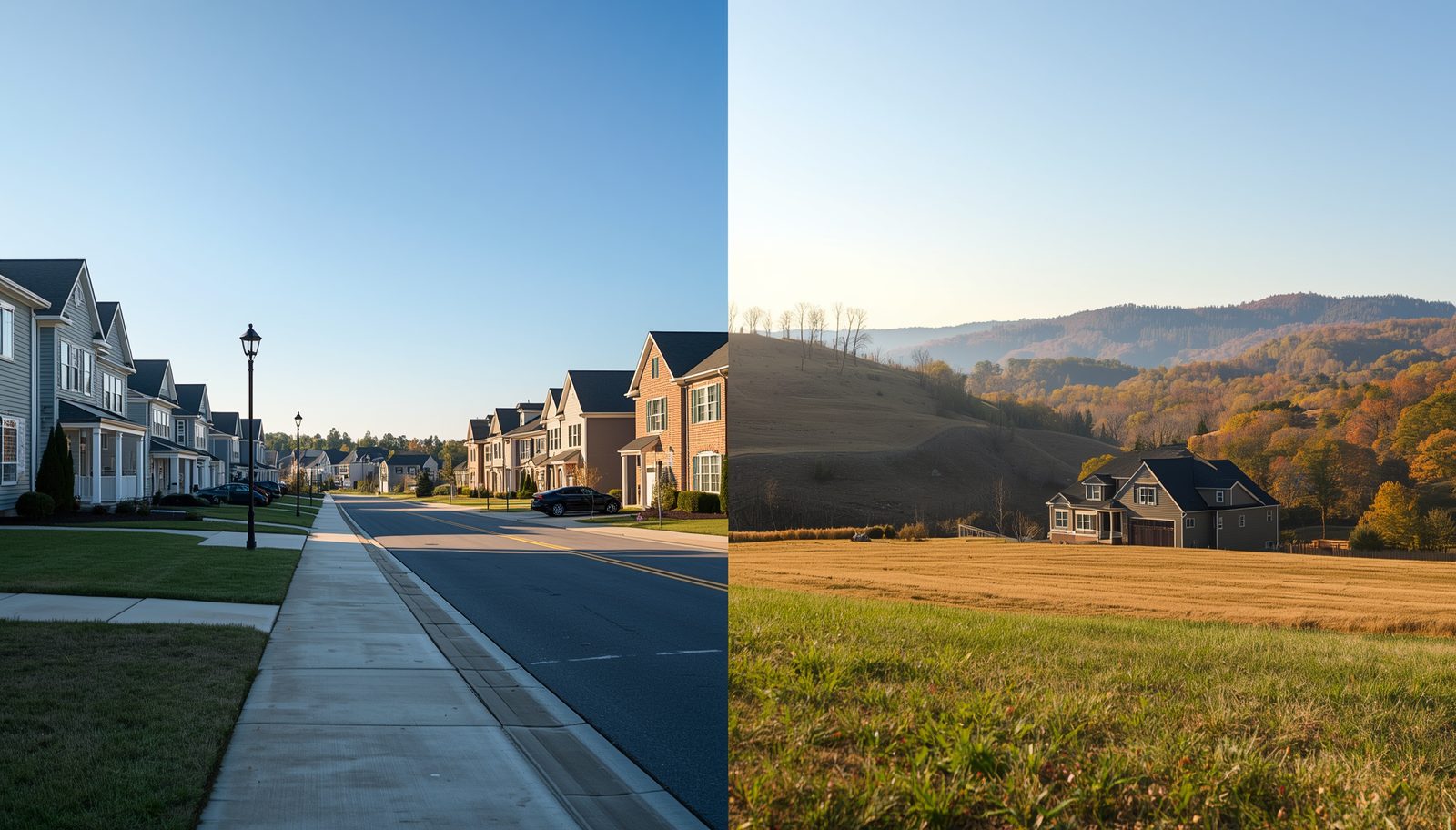
Buying a home is already a big decision. Buying one across state lines? That adds a layer most people don’t think about—until they’re in it.
If you’re considering a move between Virginia and West Virginia (especially around Winchester, Frederick County, Berkeley County, or Jefferson County), there’s good news: it’s absolutely doable—and often incredibly smart.
But there are a few key differences that can impact your finances, timeline, and long-term satisfaction.
Let’s walk through what actually matters.
🔑 It’s Not Just a Move—It’s a Different System
Even though Virginia and West Virginia are neighbors, they operate under different rules, contracts, taxes, and processes.
This isn’t just a “new zip code” situation.
You’re navigating:
- Different contract structures
- Different closing procedures
- Different tax systems
- Different lender considerations
Crossing a state line in real estate isn’t just geographic—it’s strategic.
💰 Property Taxes & Ongoing Costs
One of the biggest drivers behind VA ↔ WV moves?
Taxes.
Generally speaking:
- West Virginia tends to have lower property taxes
- Virginia may have higher taxes, but often comes with different infrastructure, schools, and amenities depending on location
That doesn’t automatically make one “better”—it just means:
👉 You need to evaluate total cost of ownership, not just purchase price.
🏦 Financing Can Shift More Than You Expect
Your lender will care a lot about which state you’re buying in.
Things that can differ:
- Loan program availability
- Property eligibility (especially rural or USDA areas in WV)
- Appraisal expectations
- Transfer taxes and closing costs
For example:
- Some areas in WV may qualify for USDA Loan Program, offering 0% down options
- That same flexibility may not apply just minutes away in VA
👉 This is where strategy matters more than assumptions.
📄 Contracts & Closings Are Not the Same
This is one of the biggest “wait, what?” moments for buyers.
In Virginia:
- Closings are typically handled by title companies or attorneys
- Negotiation structures follow Virginia-specific contracts
In West Virginia:
- Closings are often attorney-driven
- Contract language and contingencies can feel different if you’re used to VA
Even timelines and expectations can vary.
👉 Translation: what worked in one state doesn’t automatically translate to the other.
🚗 Commuting & Lifestyle Considerations
A lot of VA ↔ WV buyers are making a lifestyle trade:
- More land or space in WV
- Different pricing structures
- Potentially longer commute times
Areas like:
- Winchester
- Frederick County
- Berkeley County
- Jefferson County
…are deeply connected, but your day-to-day experience can shift quickly depending on which side you land on.
👉 This is where your “non-negotiables” matter more than ever (commute, land, home type, budget comfort).
🏡 Property Types & Inventory Differences
You’ll often find:
West Virginia:
- More land
- More rural or semi-rural options
- Potential for larger homes at lower price points
Virginia:
- More suburban structure
- Higher density in certain areas
- Different HOA and community setups
Neither is inherently better—it’s about how you want to live.
⚖️ Why Working With the Right Agent Matters (More Here Than Anywhere)
This is one of those scenarios where having the right guidance isn’t just helpful—it’s critical.
You’re not just buying a house.
You’re navigating two systems at once.
Working with someone who understands:
- Both state contracts
- Both market dynamics
- Cross-border negotiation strategy
…can be the difference between:
✔️ A smooth, confident purchase
❌ Or a series of frustrating surprises
❓ FAQs: Buying Across VA & WV
Do I need a different agent for each state?
Not necessarily—if your agent is licensed in both states. Otherwise, coordination between agents is required.
Are closing costs higher in one state?
They can be. Taxes, transfer fees, and attorney involvement can vary, so it depends on the specific property and location.
Is it cheaper to live in WV than VA?
Often, yes in terms of taxes and purchase price—but commuting, utilities, and lifestyle factors should be considered.
Can I use the same lender for both states?
Usually yes, but they must be licensed in both states and familiar with local guidelines.
Does the buying process take longer across state lines?
Not inherently—but lack of preparation or understanding can create delays.
🧠 Closing Thoughts
Buying across state lines isn’t complicated because it’s risky—it’s complicated because it’s different.
And different requires strategy.
When you understand the moving pieces—taxes, financing, contracts, and lifestyle—you can make a decision that doesn’t just work on paper, but actually works for your life.