Facebook
 X
X
 Pinterest
 Copy Link
Best Practices for Buyers During the Contract Period: What Not to Do to Protect Your Loan Approval
Buying a home in Winchester, VA, the Shenandoah Valley, or the Eastern Panhandle of West Virginia is an exciting journey—but once you’re under contract, your actions can directly affect whether your loan is approved. Lenders review your financial profile all the way up to closing, and even small changes can cause delays or, in worst cases, a denial.
Here are the top best practices and the things buyers should avoid to keep the loan process smooth and stress-free.
1. Avoid Major Purchases — No New Cars, Furniture, or Appliances
It’s tempting to start planning for life in your new home, but big-ticket purchases can alter your debt-to-income ratio (DTI) and cause lenders to second-guess your approval.
Even “0% financing” deals still count as debt, so keep your spending steady until after closing.
Best Practice:
Pause all major purchases until you have keys in hand.
2. Don’t Open or Close Credit Accounts
Any changes to your credit profile—new credit cards, personal loans, or closing existing accounts—will trigger a new credit pull.
Why it matters:
Your credit score, credit history, and available credit all influence underwriting approval.
Best Practice:
Stay financially “boring.” No new accounts, no account closures, no credit pulls.
3. Avoid Large Cash Deposits or Unverified Transfers
Lenders must verify the source of all funds used for your down payment and closing costs. Large, unexplained deposits can create delays or trigger a denial if the source cannot be documented.
This is especially important in regions like Winchester, Shenandoah Valley, and the Eastern Panhandle where USDA, FHA, and VA loans are popular and documentation is tight.
Best Practice:
Talk to your lender before moving money around. Keep bank activity stable and easily traceable.
4. Don’t Change Jobs Without Speaking to Your Lender
Not all job changes are harmful, but lenders must re-verify employment before closing. Switching industries, taking a lower-paying position, or becoming self-employed mid-contract can derail the loan.
Best Practice:
If a job change is unavoidable, notify your lender and your Realtor immediately so we can plan ahead.
5. Avoid Missing Any Payments
One late payment—even on a small bill—can drop your credit score significantly. Some lenders even perform “credit refreshes” right before settlement.
Best Practice:
Keep everything paid on time or early during the contract period.
6. Don’t Co-Sign for Anyone—Even Temporarily
Co-signing adds new debt and liability to your credit profile. Even if the primary borrower promises to pay, the lender will count it against you.
Best Practice:
Do not co-sign anything until after closing.
7. Avoid Making Undocumented Venmo/Zelle Transactions for Earnest Money or Down Payments
Digital payment apps may not provide the level of documentation lenders require. For earnest money and deposits, always use verifiable methods like bank transfers or cashier’s checks.
Best Practice:
Use clean, traceable sources for all real estate-related payments.
8. Don’t Skip Communication With Your Lender or Agent
The Winchester–Shenandoah Valley–Eastern Panhandle markets often involve rural properties, USDA zones, well/septic systems, and unique appraisal requirements. Quick communication is crucial.
Best Practice:
Share updates immediately—job changes, income changes, gift funds, credit issues, delays, etc.
9. Avoid Taking Out New Insurance Policies or Making Drastic Changes
Believe it or not, some insurance pulls can affect your credit or raise underwriting questions.
Best Practice:
Hold steady until after settlement.
10. Stay Financially Stable Until the Keys Are in Your Hand
The safest mindset: “If it changes my finances, credit, income, job, or bank account—ask first.”
Your lender and I are here to guide you through each step so nothing jeopardizes your purchase.
Pre-Listing Home Inspections: Pros, Cons & What Sellers Should Know in VA, WV & the Shenandoah Valley
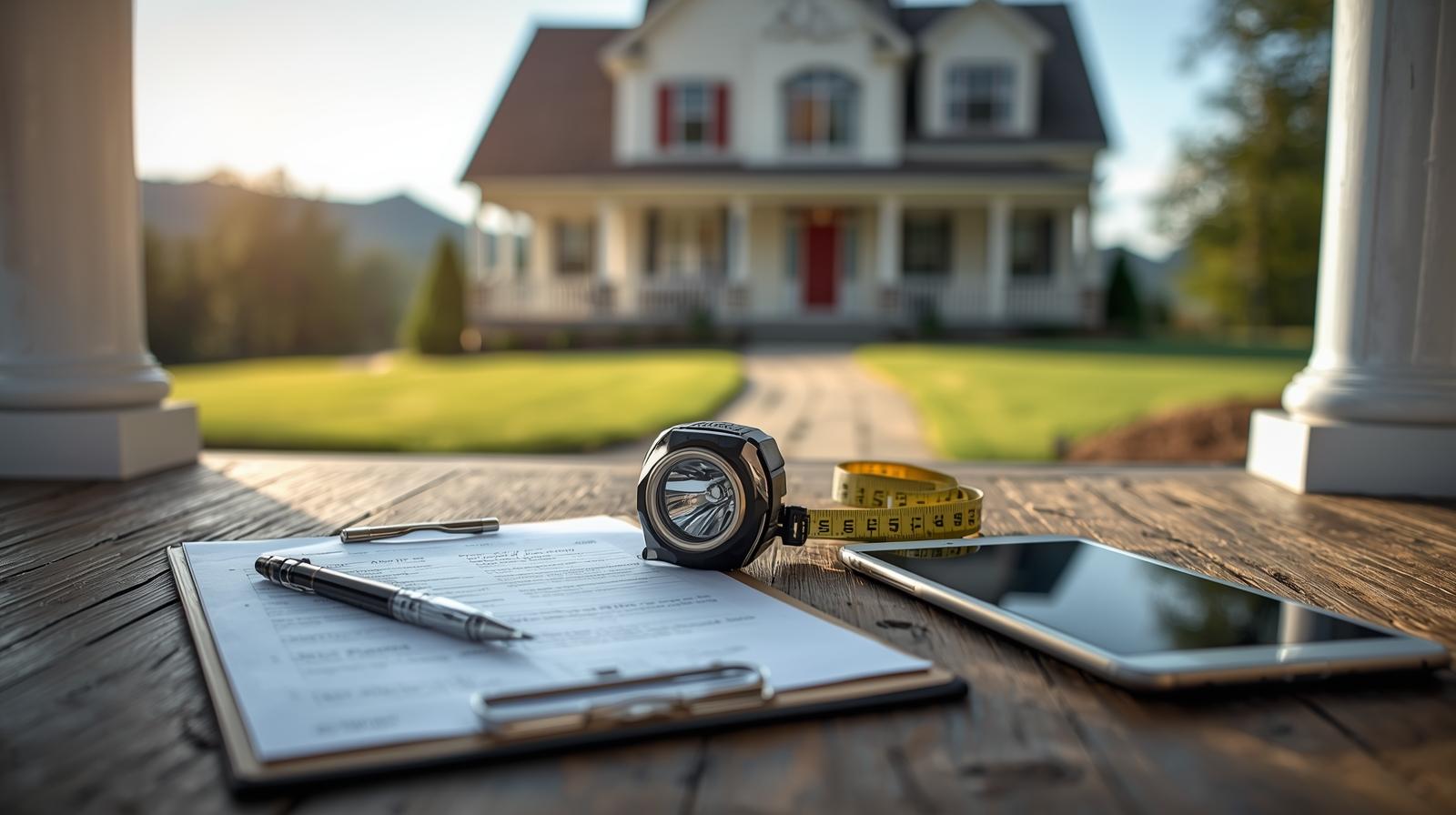
When you’re preparing to sell your home in Winchester, the Shenandoah Valley, or the Eastern Panhandle of WV, one strategic move can set you apart from the competition: a pre-listing home inspection. While not mandatory, this proactive step can give you clarity, control, and confidence before your home ever hits the market. But like any tool, it comes with pros and cons — and understanding both can help you choose the best path for your sale.
What Is a Pre-Listing Inspection?
A pre-listing inspection is a professional home inspection ordered by the seller before the home goes live on the MLS.
It covers the same general components as a buyer’s inspection, such as:
-
Roof and structure
-
Electrical systems
-
HVAC
-
Plumbing
-
Foundation
-
Windows, doors, and exterior elements
It does not replace specialty inspections (like septic, well, or pest), but it gives a strong overall picture of your home’s condition.
Pros of a Pre-Listing Inspection
1. Fewer Surprises During the Transaction
One of the biggest benefits is eliminating unknowns.
Inspections often uncover issues sellers didn’t know about — from minor fixes to major repairs.
Knowing this before a buyer’s inspector arrives can keep the deal from falling apart later.
2. Ability to Fix or Price Accordingly
When you understand the true condition of your home, you can:
-
Correct problems upfront
-
Offer repair credits strategically
-
Price your home more accurately for the Winchester, WV, and Shenandoah Valley markets
Homes priced correctly from the start attract more serious buyers.
3. Stronger Buyer Confidence
A clean inspection report — or documentation of repairs made — sends a powerful message:
“This home has been well cared for.”
Buyers appreciate transparency, and it can reduce the likelihood of aggressive negotiation tactics.
4. Faster, Smoother Sale
A pre-listing inspection can help:
-
Speed up time on market
-
Reduce back-and-forth during the inspection period
-
Keep contracts from falling through due to unexpected issues
In competitive pockets of VA and WV, this can give you an advantage.
Cons of a Pre-Listing Inspection
1. Upfront Cost
Most pre-listing inspections in this region range from $400–$650 depending on size, age, and additional systems.
If you’re already planning repairs or prepping your home, this may feel like an added expense.
2. You Must Disclose Material Findings
In both Virginia and West Virginia, sellers must disclose known material defects.
If the inspection uncovers significant issues — foundation cracks, electrical hazards, roof failure — you can’t simply ignore them.
You’ll need to either repair the issue or disclose it to buyers.
3. Buyers May Still Do Their Own Inspection
Even with a pre-listing report, many buyers will still hire their own inspector.
Their findings could differ depending on:
-
Experience level
-
Tools used
-
Opinion-based observations
A pre-listing inspection doesn’t guarantee buyers won’t request repairs or credits.
4. You May Identify More Repairs Than Expected
Sometimes the inspection reveals more than you’d hoped.
This can feel overwhelming, especially if budget or timing is tight.
Your agent (hi — that’s me!) can help you prioritize what truly matters for your sale.
When a Pre-Listing Inspection Makes the Most Sense
A pre-listing inspection is a strong idea if:
-
Your home is older
-
You’ve lived in the home a long time and don’t know its full condition
-
You want to avoid last-minute surprises
-
You’re aiming for a faster, cleaner sale
-
The home has systems buyers may be wary of (well/septic, older HVAC, aging roof)
You may skip a pre-listing inspection if:
-
The home is newer and well-maintained
-
You’re planning major updates before listing
-
You’re selling as-is
-
You’re confident the home is in very strong condition
Bottom Line
A pre-listing inspection can be a powerful tool for sellers in Winchester, the Shenandoah Valley, and the Eastern Panhandle of WV — offering transparency, control, and the opportunity to present your home in its best possible light.
Whether you choose to proceed with one depends on your goals, budget, and timeline.
If you’re unsure which direction to take, I’d be glad to walk you through what’s best for your property and your local market.
Selling a Home on Acreage in Winchester, the Shenandoah Valley & the Eastern Panhandle: What to Expect
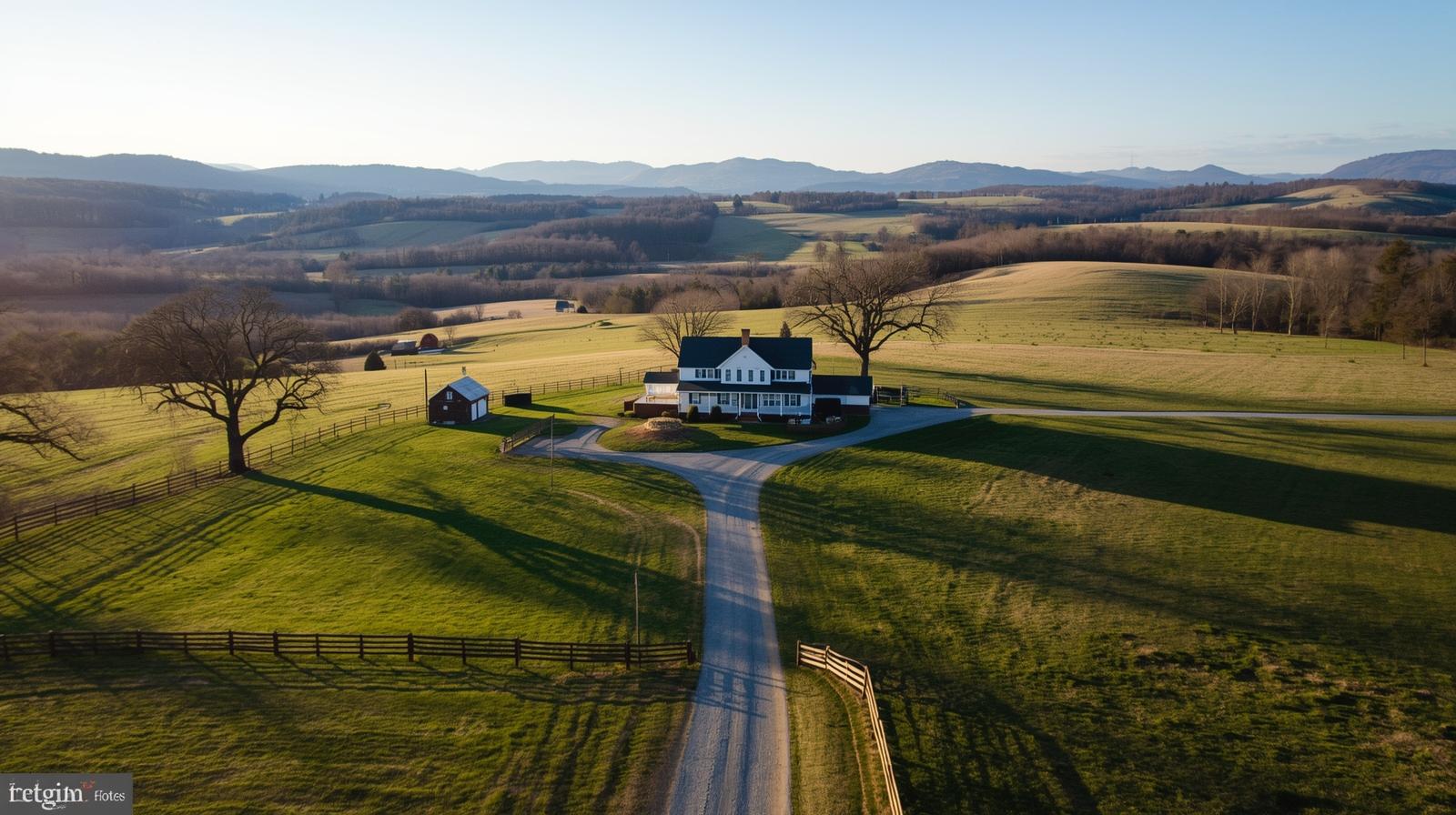
Selling a home on acreage in our region is exciting—but it’s also a different animal than selling a house in a subdivision. If your property is in Winchester, the Shenandoah Valley, or the Eastern Panhandle of West Virginia, you’re likely dealing with wells, septic systems, rolling land, and unique features buyers don’t see every day.
Here’s what to expect when you’re getting ready to sell a home on acreage in our local markets.
1. Pricing a Home on Acreage Isn’t One-Size-Fits-All
In Winchester, the Shenandoah Valley, and the Eastern Panhandle, no two acreage properties are identical. You might have:
-
Open pasture, wooded land, or a mix
-
Fencing, barns, run-in sheds, or workshops
-
Creek frontage or mountain views
-
Farm-use potential or homestead-ready features
Because of that, pricing is less about “what the neighbor’s house sold for” and more about:
-
Usable vs. non-usable acreage
-
Road access and distance to town
-
Outbuildings and improvements
-
Zoning, agricultural use, and subdivision potential
We’ll look not just at comparable sales but at the story of your land—how it functions and what makes it special for buyers in Winchester, the Shenandoah Valley, and the Eastern Panhandle.
2. Preparing the Land and Property for Showings
Acreage showings require more prep than standard homes. Consider:
House Prep:
-
Deep clean
-
Repair visible issues
-
Fresh paint/touch-ups
Land Prep:
-
Mow paths and around structures
-
Trim brush along walkable areas
-
Clean up barns/outbuildings
-
Highlight features like trails, gardens, views, creeks, or pastures
If you have livestock, we’ll plan for safe and smooth showings.
3. Boundaries, Easements & Access: Buyers Will Ask
Expect questions about:
-
When the last survey was completed
-
Boundary markings
-
Shared/private road maintenance
-
Driveway or utility easements
Having plats, surveys, and documents ready builds buyer confidence—especially for out-of-state buyers moving into the Shenandoah Valley and Eastern Panhandle.
4. Septic Systems: What Sellers Should Be Ready For
Most acreage properties here are on septic, and buyers are well-educated about them.
Conventional vs. Alternative Systems
You may have:
-
Conventional gravity-fed systems
-
Alternative systems (requiring annual inspections, filters, pumps, alarms)
Buyers often want to know:
-
Who services the system
-
Cost of maintenance
-
Age of the system
-
Recent inspections or pumping
What Sellers Can Expect
Buyers may request:
-
A septic inspection
-
Pumping before closing
-
Minor repairs (baffle, riser, lid, filter replacement)
Having past inspection reports, invoices, or permits is extremely helpful.
5. Wells and Water Quality: A Major Buyer Focus
Private wells are common throughout Winchester, the Shenandoah Valley, and WV’s Eastern Panhandle.
Buyers Typically Request:
-
Well flow/quantity testing
-
Water quality testing
-
Age and depth of the well
-
Pump and pressure tank age
-
Any filtration systems (RO, softener, UV, sediment filter)
Providing well logs or recent test results up front can streamline negotiations.
6. Marketing Acreage: Selling the Lifestyle
Acreage buyers are looking for space, privacy, and a lifestyle. Your marketing should reflect that.
Strong listing assets include:
-
Drone photos and video
-
Property maps with labeled features
-
Golden-hour exterior photos
-
Descriptions that speak to lifestyle (homesteading, mini-farm, equestrian, privacy, mountain views)
Online first impressions matter more with acreage than almost any other property type.
7. Showings, Inspections & Appraisals: Expect a Little More Time
Buyers will want to walk the land, tour barns/outbuildings, and explore. That means:
-
Longer showing windows
-
Weather-dependent property access
-
More specialized inspections (well, septic, barns, fencing, etc.)
-
Appraisers taking additional time due to land value and improvements
The more documentation we provide upfront, the smoother the process goes.
8. Work with an Agent Who Understands Acreage
Selling acreage in Winchester, the Shenandoah Valley, or WV’s Eastern Panhandle requires a different approach. From pricing and septic/well guidance to drone marketing and boundary documentation, having someone who knows the terrain makes a world of difference.
If you’re considering selling your acreage property, I’d love to walk the land with you and map out next steps.
When to Invest in Updates Before Listing Your Home in Winchester, the Shenandoah Valley & the Eastern Panhandle of WV
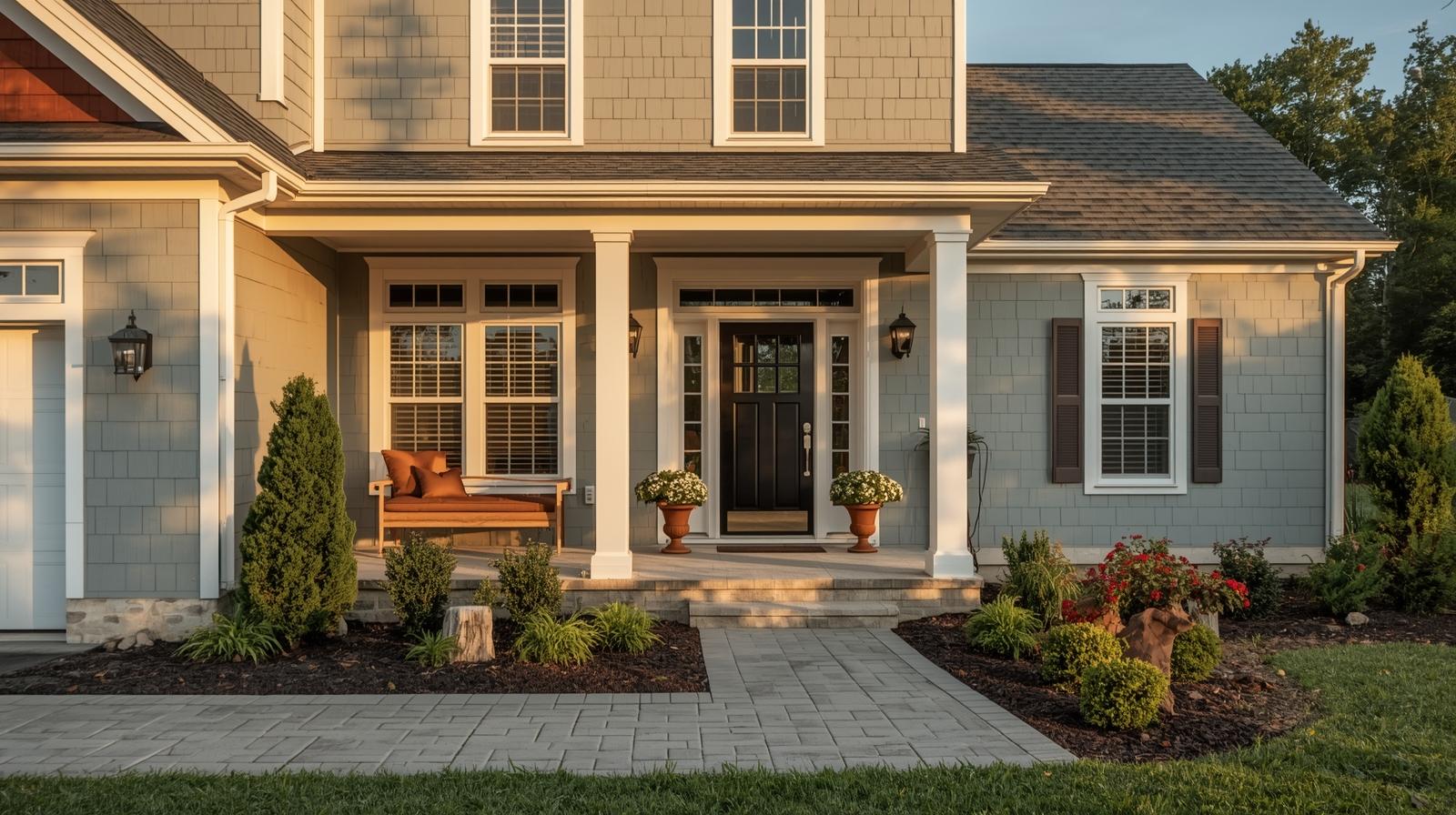
Preparing your home for the market is part strategy, part psychology — and highly dependent on local buyer expectations in our area: Winchester, the Shenandoah Valley, and the Eastern Panhandle of West Virginia.
As a full-service agent helping sellers maximize their return, the #1 question I get is:
“Should I update my home before listing, or sell it as-is?”
The truth is: it depends on what local buyers expect and what nearby comps are showing in your specific price range.
Here’s how to decide whether updates make sense — and when they don’t.
1. Invest in Updates When They Help You Compete in Your Local Sub-Market
Our three regions vary widely:
-
Winchester buyers lean toward clean, move-in-ready homes
-
Shenandoah Valley buyers often balance charm + updates
-
Eastern Panhandle buyers compare resale homes directly with abundant new construction
You should invest when you’re:
-
Slightly dated but structurally solid
-
Competing against nearby homes with modern finishes
-
In a price range where buyers weigh cosmetics heavily
High-ROI upgrades across all three markets include:
-
Fresh neutral paint
-
Updated lighting
-
New or refinished flooring
-
Painting kitchen cabinets
-
Updated bathroom mirrors & fixtures
These upgrades often shift buyer perception, especially in the $250k–$450k range common in all three areas.
2. Invest When You’re Competing With New Construction (Especially Common in the Eastern Panhandle & South Winchester)
The Eastern Panhandle (Martinsburg, Inwood, Hedgesville), Stephens City, and southern Winchester have strong new-build activity that raises buyer expectations.
Consider updating when:
-
Your finishes look original to the year the home was built
-
New construction is only slightly higher in price
-
You want your listing photos to stand out against builder-grade interiors
Smart updates:
-
Modern LVP flooring
-
Brushed nickel or matte black fixtures
-
Updated bathroom vanities
-
Fresh paint in warm modern-neutrals
You don’t need to overhaul the home — just elevate it enough to feel fresh, clean, and competitive.
3. Invest When You Need to Meet Loan Program Requirements (Huge for USDA, FHA & VA Buyers Here)
Our tri-region sees a high volume of USDA, FHA, and VA financing, which means your home must meet certain minimum standards.
Invest in repairs if you have:
-
Peeling or chipping paint in homes built in 1978 or earlier
-
Loose or missing handrails
-
Safety issues
-
Roof deterioration
-
HVAC issues
-
Well/Septic concerns
-
Structural deficiencies
These aren’t cosmetic — they’re loan requirements. Addressing them upfront protects you from contract fall-throughs and delays.
4. Skip Major Renovations When Your Neighborhood Price Ceiling Won’t Support Them
Winchester neighborhoods, rural Shenandoah Valley communities, and Eastern Panhandle subdivisions all have clear price ceilings.
It’s usually not worth upgrading when:
-
Your neighborhood trends toward modest finishes
-
You’re unlikely to recover the cost
-
Appraisals won’t support high-end improvements
Example:
Installing a $40k luxury kitchen in a neighborhood with $300k comps rarely pays off.
5. Skip Updates When the Market Is Hot (Often the Case in Winchester & the Eastern Panhandle)
In low-inventory pockets — such as parts of Winchester and fast-moving sections of Martinsburg/Inwood — buyers are more forgiving.
You can skip updates when:
-
Homes are selling in days
-
You’re priced competitively
-
There are multiple buyers in your segment
-
Comps show quick sales even with dated interiors
In these cases, focus on:
-
Deep cleaning
-
Decluttering
-
Staging
-
Basic curb appeal
Those items give far better returns than renovations.
6. Get a Localized Market Analysis Before Spending a Dollar
Before you touch a paintbrush or call a contractor, let’s look at:
-
Local comps in your micro-market
-
Buyer preferences in your neighborhood
-
What your likely buyer pool expects
-
ROI trends across the three regions
-
What will matter in photos vs. in person
Every home — and every neighborhood — requires a different approach.
Together, we’ll make sure you spend only where it boosts your equity.
If you’re thinking about selling in the next 3–12 months, I’d be happy to walk through your home and help create a custom pre-listing plan.
Outdoor Living at Its Best: Why Parks & Trails Make Winchester & the Shenandoah Valley a Dream Place to Live

If there’s one thing people fall in love with when they move to Winchester and the surrounding Shenandoah Valley, it’s how easy it is to step outside and feel refreshed. Within 60 miles of 22601—spanning both Virginia and West Virginia—you’ll find riverside trails, mountain viewpoints, wildlife areas, and wide-open spaces that make outdoor living part of everyday life.
Whether you’re exploring after work, planning family weekends, or showing guests the beauty of the Valley, these nearby parks offer a lifestyle you simply don’t get in many other markets. Here’s a closer look at what life outdoors looks like here—and why so many buyers choose to call this area home.
Close-to-Town Favorites for Everyday Living
The Trails at The MSV (Winchester, VA)
Right inside city limits, these free walking trails weave through fields, pollinator gardens, wetlands, and outdoor art installations. It’s peaceful, accessible, and perfect for morning walks, stroller time, or sunset strolls with your dog.
Seven Bends State Park (Woodstock, VA)
Just 30 minutes south, this park features river access and gentle hiking. If you love kayaking, tubing, or easy afternoon trails, this becomes a quick favorite. It’s the perfect “no stress, just go” spot.
Scenic Adventures with Mountain Views
Shenandoah River State Park (Bentonville, VA)
Stunning overlooks, wooded trails, and river access make this a local treasure. Picnic spots, bike paths, and short-to-long trail options make it great for every experience level.
Sky Meadows State Park (Delaplane, VA)
If you enjoy wide open views, grassy rolling hills, or connecting to the Appalachian Trail, this one is for you. It’s also a top stargazing destination—and yes, the night skies are that clear.
Shenandoah National Park – North District (Front Royal Entrance)
Only about 25 minutes from Winchester, and you’re on Skyline Drive. Waterfalls, overlooks, and classic Virginia mountain hiking—this one never gets old.
WV Parks for Weekends & Staycations
Harpers Ferry National Historical Park (Harpers Ferry, WV)
Outdoor living meets history. You get river views, small-town charm, scenic overlooks, and rail trail connections—all in one place. Great for day trips or showing out-of-town visitors why this region is special.
Cacapon Resort State Park & Lodge (Berkeley Springs, WV)
A full weekend destination: hiking trails, a resort-style lodge, lakefront, golf, restaurants, and mountain sunsets. It’s a mini-vacation just across the state line.
Why This Matters When You’re Choosing Where to Live
Outdoor access isn’t just about recreation. It’s about:
-
Lower daily stress
-
Stronger sense of community
-
Better work–life balance
-
More room to breathe and grow
Many people move here from Northern Virginia, DC, Maryland, and beyond because they want space. They want to step outside and decompress—not sit in traffic to get to it.
In Winchester, Frederick County, the Shenandoah Valley, and the WV Panhandle, being close to nature isn’t a weekend luxury—it’s part of daily life.
This is one of the biggest lifestyle advantages of buying a home here.
Thinking About Moving to the Area?
Whether you’re:
-
Relocating from Northern Virginia or DC,
-
Looking for more acreage and privacy,
-
Dreaming of mountain views,
-
Or planning to live near walkable town centers,
I help buyers and sellers navigate this entire region—VA and WV—so you can explore the communities and lifestyle options that match your goals.
Let’s talk through what you’re looking for and build your perfect home search plan.
Top 5 Home Improvements That Deliver the Best ROI for Sellers
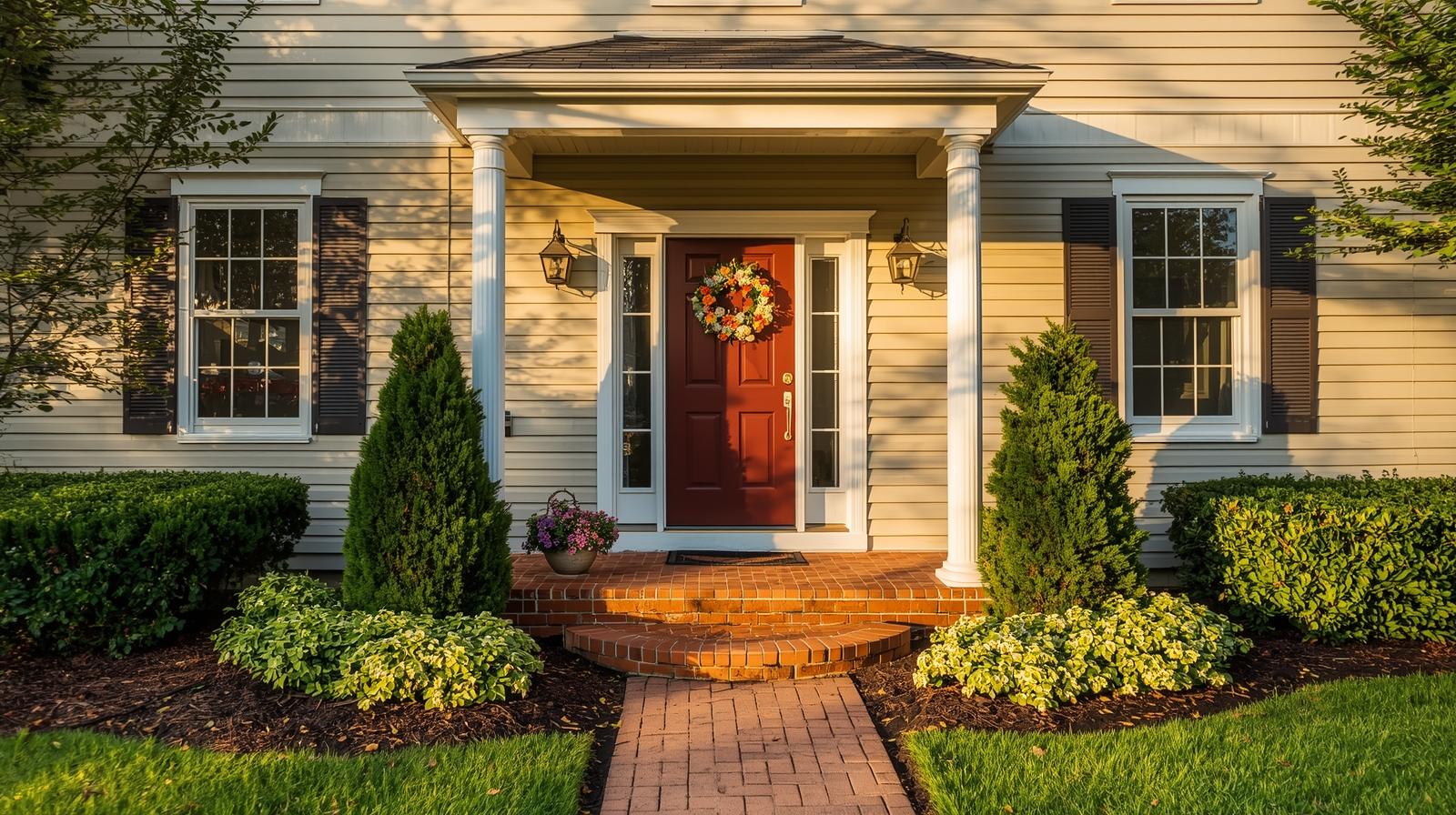
When preparing to sell your home, every improvement should serve one purpose — to increase its value and attract buyers. But not all updates are created equal. Some projects deliver a strong return on investment (ROI), while others don’t pay off as much at closing. Here are the top five high-ROI home updates that make a big impact in Winchester, VA, the Shenandoah Valley, and surrounding markets.
1. Fresh Paint — The Instant Facelift
A fresh coat of neutral paint can completely transform your home’s look and feel. Buyers respond positively to light, airy spaces that feel move-in ready. Stick with timeless shades like soft grays, greiges, or warm whites to appeal to the widest audience.
Average ROI: Up to 107%
2. Minor Kitchen Upgrades — Small Changes, Big Impact
You don’t need a full remodel to impress buyers. Focus on cabinet hardware, light fixtures, and countertops for maximum visual appeal. Even painting dated cabinets can deliver a major refresh.
Average ROI: 80–100%
3. Curb Appeal Enhancements — First Impressions Count
Your exterior is the first thing buyers see. Invest in landscaping, new house numbers, a painted front door, and exterior lighting to create an inviting entry. Homes with strong curb appeal tend to sell faster and for more money.
Average ROI: 95%
4. Flooring Refresh — Out with the Old
Buyers love homes with consistent, modern flooring. Replace worn carpet with luxury vinyl plank (LVP) or refinish existing hardwood floors for a high-end look that photographs beautifully and stands up to daily life.
Average ROI: 90%
5. Energy Efficiency Upgrades — A Smart Selling Point
Buyers today appreciate eco-friendly homes that save on utilities. New windows, insulation, and LED lighting can boost value and comfort. Mention these updates in your listing to stand out in competitive markets.
Average ROI: 75–85%
Bottom Line
Strategic updates don’t just make your home more beautiful—they make it more marketable. Whether you’re preparing to list next month or next year, I can help you prioritize improvements that align with your home’s value, your neighborhood, and today’s buyer expectations.
Ready to find out which updates will make your home stand out in Winchester, VA or the Shenandoah Valley? Let’s talk about your home’s ROI potential today!
Understanding Well and Septic Systems in the Winchester & Shenandoah Valley Real Estate Market
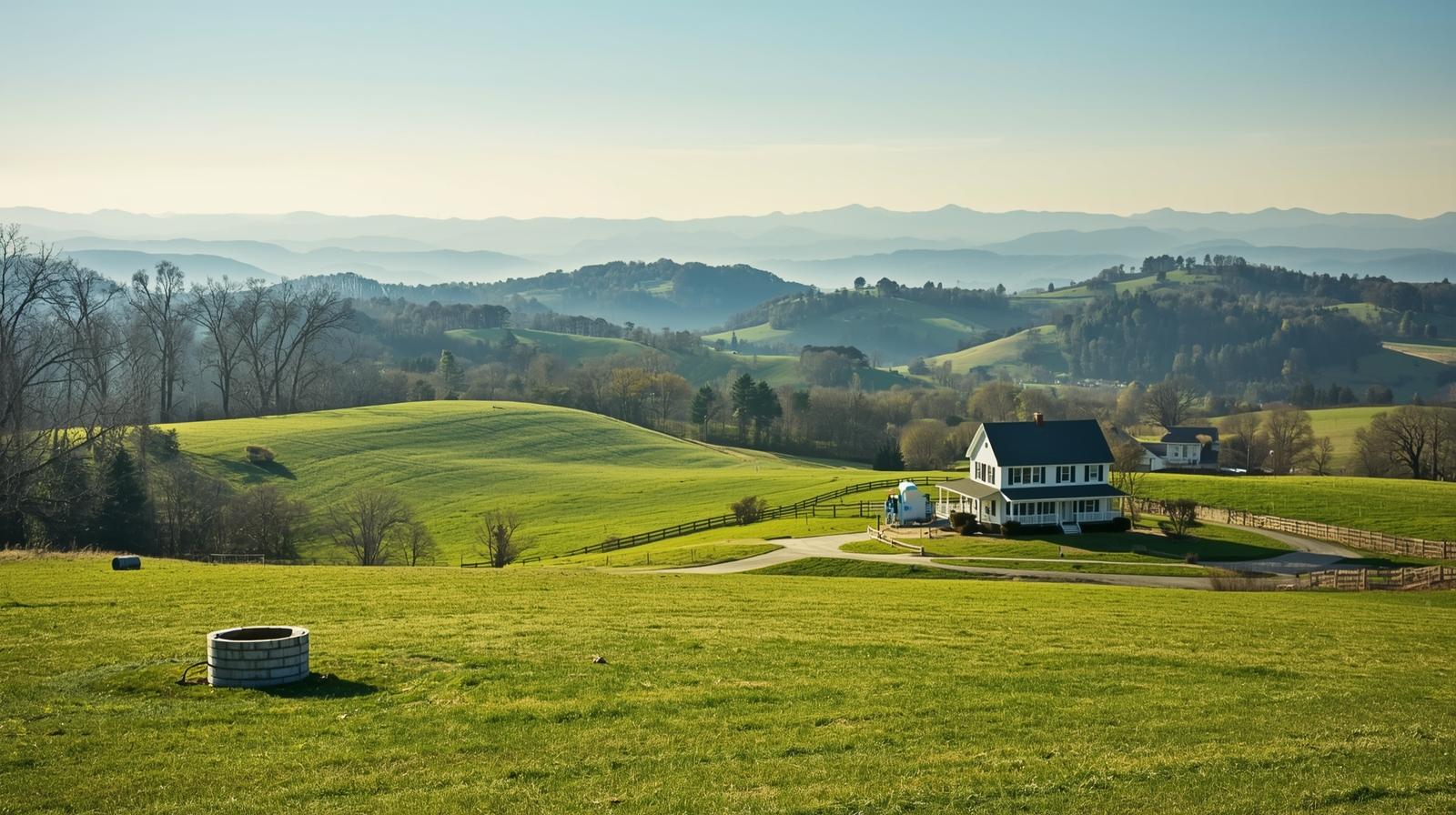
Buying or selling a home in the Winchester and Shenandoah Valley area often means encountering properties that rely on private well and septic systems instead of public utilities. Understanding how these systems work—and what to look for—can help you make informed decisions and avoid costly surprises during the transaction process.
💧 What Is a Well System?
A well system draws water from an underground aquifer through a drilled or dug well. The water is stored and pressurized by a pump and pressure tank that deliver water into the home.
-
Testing matters: Before closing, buyers should request a water quality test to ensure the water is safe to drink and free of contaminants like bacteria, nitrates, or heavy metals.
-
Maintenance tip: Homeowners should test their well water at least once a year and inspect the pump and pressure tank for proper operation.
🚽 What Is a Septic System?
A septic system treats wastewater on-site using a buried tank and drain field (or leach field). Solids settle in the tank while liquids filter through the drain field into the soil, where natural processes help purify the water before it returns to the environment.
There are two main types of septic systems in our area:
-
Conventional Septic Systems:
The most common setup, consisting of a tank and a gravity-fed drain field. These systems are generally simpler and less expensive to install but require adequate soil conditions for proper drainage. -
Alternative Septic Systems (AOSS):
Used when soil or slope conditions make a traditional drain field unsuitable. These systems may use pumps, aerators, or additional filtration to treat wastewater before dispersal. They often require more frequent inspections and professional maintenance—but can allow homes to be built on lots that otherwise wouldn’t support a septic system.
Inspections are critical: Buyers should have a licensed septic inspector evaluate the tank, baffles, and drain field (or mechanical components, if applicable) before purchase.
Pumping schedule: Tanks typically need to be pumped every 3–5 years, depending on household size, system type, and usage.
🔍 Why These Systems Are Common in Our Area
In rural and semi-rural communities like Frederick County, VA and Berkeley and Jefferson Counties, WV, public water and sewer access can be limited. Private wells and septic systems are a reliable, eco-friendly alternative—provided they’re properly maintained.
💡 For Buyers:
When buying a home with well and septic:
-
Ask for recent inspection reports and pumping records.
-
Confirm the well location.
-
Consider adding a home warranty that covers well or septic components for added peace of mind.
🏠 For Sellers:
If you’re selling a home with well and septic:
-
Have both systems inspected before listing—it builds buyer confidence.
-
Provide documentation of regular maintenance, water testing, and pumping.
-
Address any known issues proactively; a functioning, well-documented system can boost buyer trust and reduce negotiation friction.
🤝 How I Can Help
As a dual-licensed Realtor® serving Virginia and West Virginia, I understand the nuances of local well and septic requirements, lender inspection standards, and what to look for during contract negotiations. Whether you’re buying or selling, I’ll guide you through each step so you can move forward with confidence.
Real Estate Jargon Explained: VA & WV Edition
Buying or selling a home can already feel overwhelming—but when the paperwork starts using terms like “EMD,” “escrow,” or “due diligence,” it can feel like an entirely different language! To make your real estate experience in Virginia and West Virginia easier, I’ve broken down some of the most common terms you’ll encounter in our regional market.
1. EMD (Earnest Money Deposit)
This is your “good faith” deposit—money you put down to show you’re serious about purchasing a home. In both VA and WV, it’s typically held by the broker or title company until closing. The amount varies (usually 1–3% of the purchase price) and is credited toward your closing costs or down payment.
2. Contingency
A contingency is a condition that must be met for the sale to move forward—like a home inspection, financing approval, or appraisal. Virginia and West Virginia contracts are both contingency-driven, meaning they protect both buyers and sellers while keeping the deal fair.
3. Appraisal vs. Assessment
These two words are often mixed up.
-
Appraisal: Ordered by your lender to determine the market value of the home.
-
Assessment: Conducted by the local government for property tax purposes.
In both states, the appraisal ensures the home’s value aligns with the loan amount—especially important for VA and USDA loans common in our region.
4. Escrow
Escrow is a neutral account that temporarily holds funds—like your EMD or closing money—until the transaction is complete. It protects both parties during the sale. In Virginia, escrow is usually managed by a settlement agent or attorney, while in West Virginia, title companies often handle it.
5. Closing Costs
These are the fees and expenses (beyond the purchase price) paid at the end of a real estate transaction. They may include loan origination fees, title insurance, transfer taxes, and more.
6. Dual Agency (and Why It Matters)
Dual agency means one agent represents both the buyer and seller. It’s legal in both VA and WV but must be disclosed in writing. As your trusted realtor licensed in both states, I always prioritize transparency—ensuring you understand your options before signing anything.
7. PITI (Principal, Interest, Taxes, and Insurance)
Your monthly mortgage payment includes these four parts:
-
Principal: The loan amount.
-
Interest: The lender’s charge for borrowing money.
-
Taxes: Property taxes (usually paid via escrow).
-
Insurance: Homeowner’s insurance.
Understanding your PITI gives you a true picture of your monthly homeownership cost.
8. CMA (Comparative Market Analysis)
A CMA is an estimate of a home’s market value based on recent sales of similar properties nearby. I use this tool to help sellers price their homes competitively and buyers make strong, informed offers in our VA & WV markets.
9. Title Search
Before closing, a title company will check the property’s ownership history to ensure there are no liens, disputes, or legal issues. This is standard in both states—and essential for a smooth closing.
10. Under Contract vs. Pending
When a home is “under contract,” it means the buyer and seller have agreed to terms, but contingencies remain. “Pending” means those contingencies have been satisfied and closing is near!
💬 Final Thoughts
Whether you’re buying in the rolling hills of Berkeley County, WV or selling your home in historic Winchester, VA, understanding the language of real estate helps you feel confident every step of the way. My job is to translate the jargon, handle the details, and make your real estate experience simple, smooth, and successful.
Let’s make sense of real estate together—one term (and one home) at a time.
Top 5 Home-Selling Myths in West Virginia & Virginia — Busted!
Selling a home in West Virginia or Virginia comes with its fair share of opinions — and unfortunately, not all of them are true. Let’s clear up five of the most common myths that can cost sellers valuable time and money.
1. Myth: “I Should Price My Home High to Leave Room for Negotiation”
Reality: Overpricing is one of the fastest ways to make your listing go stale. Buyers search by price range, and if your home is priced too high, it may not even appear in their results. In WV and VA markets — especially around Winchester, Berkeley, and Jefferson Counties — well-priced homes often spark competition and multiple offers. Accurate pricing based on a local CMA (Comparative Market Analysis) helps your home sell faster and for more money.
2. Myth: “I Don’t Need a Realtor — I Can Sell It Myself”
Reality: Selling “For Sale By Owner” sounds appealing until you’re knee-deep in showing appointments, providing access to buyers, disclosures, contracts, and negotiations… at the very least. WV and VA each have their own regulations, and mistakes can be expensive. A licensed Realtor like Nicole Lewis with Coldwell Banker Premier knows the market, the process, and how to protect your interests — often helping you net more, even after commission.
3. Myth: “I Have to Renovate Everything Before Listing”
Reality: Not every project pays off. Focus on repairs and updates that improve your home’s first impression and inspection report — things like paint, lighting, and curb appeal. In the Shenandoah Valley and nearby WV counties, buyers often appreciate well-maintained homes over fully remodeled ones. A professional eye can help you decide what’s worth doing and what’s not.
4. Myth: “I Should Wait Until Spring or Summer to Sell”
Reality: While warm months do bring activity, today’s buyers shop year-round. In fact, off-season listings can stand out when there’s less competition. Fall and winter buyers tend to be serious and motivated — relocations, job changes, or moves before the new year. The best time to sell is when you’re ready, not just when the calendar says so.
5. Myth: “Online Home Value Estimates Are Accurate”
Reality: Automated values like Zestimates or online calculators can be wildly off — especially in rural or mixed-property areas common in WV and VA. They don’t consider your home’s updates, views, land, or neighborhood features. The most accurate way to know your home’s value is a custom local market analysis from a Realtor who knows your area.
✅ The Bottom Line
Believing these myths can slow your sale or cost you thousands. The truth? Selling a home successfully in WV and VA takes local knowledge, data-driven pricing, and expert marketing. With the right Realtor — and the right strategy — you can navigate the process with confidence and maximize your return.
Top 5 Homebuying Myths in West Virginia and Virginia — Debunked!
Buying a home in West Virginia or Virginia is one of the most exciting steps in life — but with so much information (and misinformation) floating around, it’s easy for buyers to get stuck believing outdated myths.
Let’s clear the air! Here are the top 5 homebuying myths I hear most often across WV and VA — and the real truths that help my clients make confident decisions.
1. You need a big down payment to buy a home
The myth: You must have a large down payment — often 20% — saved before you can buy.
The truth: Not true, especially in our region! Many homebuyers in WV and VA qualify for zero or low down payment programs, including the USDA loan, which is one of the most underutilized and powerful tools for rural and suburban buyers.
Here’s how these programs break the myth:
-
USDA loans: Designed for eligible rural areas (which includes much of the Shenandoah Valley, Frederick County, and surrounding WV counties), require no down payment and offer low interest rates.
-
VA loans: For eligible veterans and active-duty service members — also no down payment required.
-
FHA loans: Only 3.5% down for qualified buyers.
If you’ve been waiting until you save a huge lump sum, you might already be able to buy today. USDA and VA programs are especially strong options for buyers in Frederick County VA, Berkeley County WV, Jefferson County WV, and the Shenandoah Valley.
2. You need perfect credit to qualify
The myth: Only those with top-tier credit scores get approved for mortgages.
The truth: You don’t need perfect credit — just a solid financial foundation.
Programs like USDA, FHA, and VA are flexible with credit requirements and focus on the full financial picture — income, debt, and consistency — not perfection. Even if your credit isn’t spotless, the right lender can guide you toward pre-approval and set you on the path to homeownership; for example, I work with some Mortgage Brokers that can possibly accommodate scores as low as 580!
3. You should wait for interest rates to drop
The myth: It’s better to wait until rates go down before buying.
The truth: The “perfect rate” may never come — but the right home might not wait.
While rates fluctuate, home prices and inventory move too. Waiting for a lower rate could mean paying more later for the same property. You can always refinance when rates drop, but you can’t rewind to buy the home that got away.
4. Student loans or other debt make homeownership impossible
The myth: Having student loans or credit card debt automatically disqualifies you from buying.
The truth: What matters most is your debt-to-income (DTI) ratio, not the fact that you have debt.
If your income supports your current debt payments and you manage them responsibly, you can still qualify. Many of my clients close on homes while carrying student loans — the key is knowing how lenders view your overall financial health.
5. The home inspection is optional
The myth: Skipping a home inspection helps you win in a competitive market.
The truth: A home inspection is one of the most valuable safeguards you have as a buyer.
It helps identify issues before you close, protecting you from major expenses later. Even when multiple offers are on the table, I help my clients navigate smart ways to stay competitive without skipping due diligence.
Why these myths matter in WV & VA
-
USDA Eligibility: Many areas throughout the Shenandoah Valley and Eastern Panhandle qualify for USDA financing, giving first-time and repeat buyers affordable options.
-
Affordability: WV continues to rank among the most affordable states for homeownership, and Frederick County VA offers great value compared to Northern Virginia suburbs.
-
Local Expertise: As a dual-licensed agent in WV and VA, I can guide you across county and state lines to take full advantage of programs that best fit your situation.
Final Thoughts
Don’t let myths hold you back from your dream home!
Between USDA, VA, and FHA loans, flexible credit programs, and local assistance, there are more paths to homeownership than most buyers realize.
If you’re thinking about buying in Winchester, the Shenandoah Valley, or nearby WV counties, I’d love to walk you through your options and help you make a move with confidence.