Facebook
 X
X
 Pinterest
 Copy Link
Why “Land + Manufactured Home” Isn’t Always the Cheapest Path — and What to Consider Instead
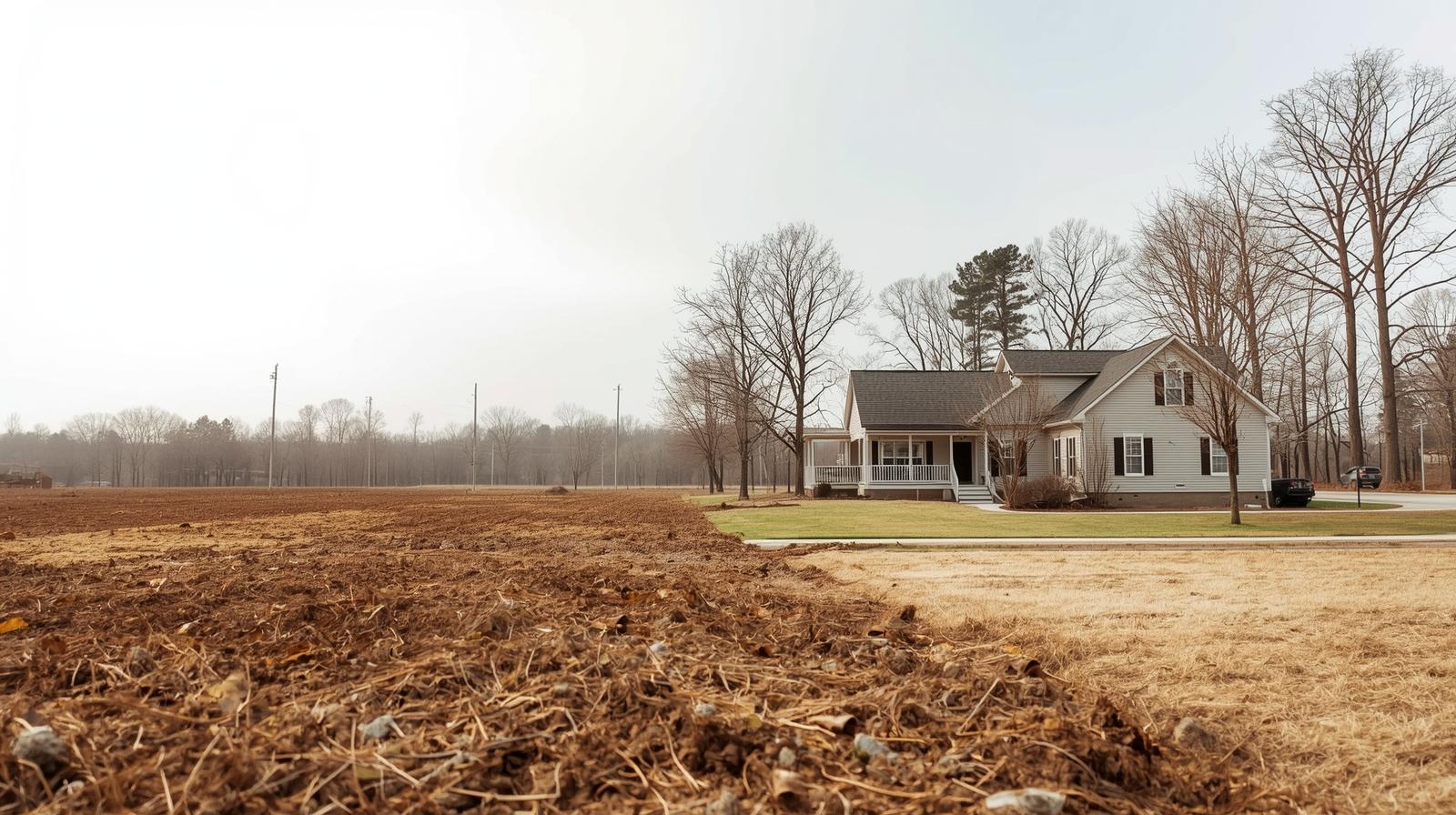
The Dream vs. the Reality
Many buyers—especially those working with tighter budgets—come into the process with a clear vision: buy a piece of land, put a manufactured home on it, and save money. On the surface, it sounds simple and affordable.
In reality, this approach often comes with significant hidden costs, financing hurdles, and upfront cash requirements that catch buyers off guard. My goal isn’t to discourage the dream—it’s to make sure you understand the full picture before making a decision that could stretch your finances too thin.
The Hidden Costs of Buying Land
Raw land almost always requires more preparation (and money) than buyers expect. Common expenses include:
-
Septic system installation (often tens of thousands of dollars)
-
Well drilling if public water isn’t available
-
Land clearing and grading
-
Driveway installation
-
Utility hookups (electric, gas, internet)
-
Permits, surveys, soil testing, and feasibility studies
These costs are typically out-of-pocket expenses, not easily rolled into traditional financing.
Manufactured Homes: More Than Just the Purchase Price
While manufactured homes can be a great option in the right scenario, buyers often don’t realize the additional steps required to make them financeable:
-
Permanent foundation installation
-
Tie-downs, skirting, and site prep
-
Title conversion from personal property to real property
-
Compliance with lender and county requirements
Without meeting these criteria, financing options can be limited—and resale value may be impacted.
Financing Challenges: Land Loans vs. Home Loans
This is where many budgets break down.
-
Land loans typically have:
-
Higher interest rates
-
Shorter loan terms
-
Larger down payment requirements
-
-
Construction-to-permanent loans can be complex and lender-specific
-
Many buyers underestimate how much cash is required before construction even begins
For many first-time or budget-conscious buyers, this creates a financing gap that’s difficult to overcome.
Why an Existing Home Can Be a Smarter First Step
In many cases, purchasing an existing home—even if it’s not the “forever home”—can be a more practical and strategic move:
-
Access to traditional financing with lower rates
-
Ability to build equity immediately
-
Predictable monthly housing costs
-
Opportunity to improve, refinance, or sell later
-
A clearer path toward long-term goals like land ownership or custom construction
Think of it as a stepping stone, not a compromise.
It’s About Strategy, Not Settling
Every buyer’s situation is different. Sometimes land and a manufactured home do make sense—but only with proper planning, realistic budgeting, and the right financing structure.
My role is to help you:
-
Compare real numbers (not just estimates)
-
Understand cash requirements upfront
-
Explore all viable paths to homeownership
-
Choose a strategy that supports your long-term goals—not just today’s excitement
Let’s Talk Before You Commit
Before you fall in love with a piece of land or a floor plan, it’s worth having an honest conversation about costs, timelines, and financing options. A short planning discussion upfront can save you months of frustration—and thousands of dollars.
The Ultimate Real Estate Glossary: Common Terms Every Buyer & Seller Should Know

Real estate has its own language, and whether you’re buying your first home or selling your fifth, the terminology can feel confusing, overwhelming, or even contradictory. Many terms sound similar but mean very different things—and misunderstanding them can lead to stress, delays, or costly mistakes.
This comprehensive real estate glossary breaks down the most common real estate terms buyers and sellers encounter, organized by category and explained in plain English.
📝 Contract & Listing Status Terms
Active
A home that is currently listed for sale and available to receive offers.
Coming Soon
A listing that will be available soon but may not yet be fully active or available for showings.
Under Contract
The seller has accepted an offer, but the sale has not yet closed and contingencies may still apply.
Pending
All contingencies have been satisfied and the transaction is moving toward closing.
Contingent
The sale depends on specific conditions being met, such as inspections or financing approval.
Backup Offer
An offer submitted in case the primary contract falls through.
Days on Market (DOM)
The number of days a property has been listed before going under contract.
Kick-Out Clause
A clause allowing sellers to continue marketing the property while under contract and “kick out” the buyer if certain conditions aren’t met.
💰 Financing & Loan Terms
Pre-Qualification
An informal estimate of how much a buyer may be able to borrow based on self-reported information.
Pre-Approval
A lender’s written confirmation of how much a buyer is approved to borrow after reviewing financial documents and running credit.
Debt-to-Income Ratio (DTI)
The percentage of a buyer’s monthly income that goes toward debt payments.
Loan Estimate
A document outlining estimated loan terms, interest rate, and closing costs.
Fixed-Rate Mortgage
A loan with an interest rate that remains the same for the entire loan term.
Adjustable-Rate Mortgage (ARM)
A loan with an interest rate that can change after an initial fixed period.
Points
Fees paid upfront to reduce the interest rate on a mortgage.
PMI / MIP
Mortgage insurance required for certain loan types when a buyer puts less money down.
Rate Lock
A lender’s guarantee of a specific interest rate for a set period of time.
🏡 Ownership, Legal & Property Terms
Title
Legal ownership of a property.
Deed
The legal document transferring ownership from seller to buyer.
Lien
A legal claim against a property for unpaid debts.
Easement
The right for someone else to use part of a property for a specific purpose.
Survey
A drawing showing property boundaries and improvements.
Encroachment
When a structure extends onto a neighboring property.
🔍 Inspections, Appraisals & Value
Home Inspection
A professional evaluation of a home’s condition and major systems.
Appraisal
An independent assessment of a home’s value required by the lender.
Comparative Market Analysis (CMA)
An estimate of value based on similar recently sold homes.
As-Is
The seller is not agreeing to make repairs, though inspections may still occur.
Inspection Repair Addendum
A written agreement outlining repairs to be completed before closing.
Due Diligence
The period when buyers investigate the property before finalizing the purchase.
📦 Money, Escrow & Closing Terms
Earnest Money Deposit (EMD)
A good-faith deposit showing the buyer’s intent to purchase.
Escrow
A neutral account holding funds and documents until closing conditions are met.
Closing
The final step where ownership officially transfers.
Closing Costs
Fees paid at closing, including lender, title, and government costs.
Prorations
Adjustments for expenses like taxes and HOA dues split between buyer and seller.
Wire Fraud
A common real estate scam involving fraudulent wiring instructions—always verify before sending funds.
🏘 HOA & Community Living Terms
HOA (Homeowners Association)
An organization managing shared community rules and maintenance.
CC&Rs
Covenants, Conditions & Restrictions governing a community.
Special Assessment
An additional fee charged to HOA members for unexpected expenses.
Resale Package
HOA documents provided to buyers detailing rules, finances, and fees.
📄 Offer & Negotiation Terms
Offer
A written proposal to purchase a property under specific terms.
Counteroffer
A seller’s response changing some or all terms of the original offer.
Concessions/Subsidy
Costs a seller agrees to cover on behalf of the buyer.
Addendum
An addition or modification to the original contract.
Final Thoughts
Real estate doesn’t have to feel confusing. Understanding the terminology helps buyers and sellers make confident decisions, avoid surprises, and navigate transactions more smoothly.
Having a knowledgeable Realtor who explains these terms clearly—and advocates for you every step of the way—makes all the difference.
Why Getting Pre-Approved Should Be Your First Step in Buying a Home

If you’re thinking about buying a home — or even just starting to browse listings — the very first step should be getting pre-approved by a lender. Not touring homes. Not saving listings. Not falling in love with kitchens on Zillow.
Getting pre-approved protects your time, your emotions, and your long-term financial goals.
Let’s talk about why it matters so much.
What Does “Pre-Approved” Really Mean?
A pre-approval is when a lender reviews your income, credit, debts, and assets and determines:
-
How much you can borrow
-
What loan programs you qualify for
-
What your estimated monthly payment looks like
-
Whether there are any issues to fix before buying
This is very different from an online pre-qualification, which is often just a rough estimate based on unverified information.
Your Loan Type Shapes Your Home Search
Your loan type directly impacts what homes you can and cannot buy.
For example:
-
USDA & VA loans may have location or property condition restrictions
-
FHA loans require certain safety standards
-
Conventional loans may allow more flexibility but require stronger credit
-
Jumbo loans come with stricter guidelines
Without knowing your loan type, you could fall in love with a home that simply won’t qualify — no matter how perfect it feels.
As your Realtor, I build your search strategy around your loan approval so every home we view is a real possibility, not just a dream.
Your Budget Is More Than Just a Price Number
Pre-approval doesn’t just give you a maximum price — it gives you clarity.
It helps you understand:
-
Monthly payment comfort level
-
Down payment expectations
-
Closing cost planning
-
Insurance and tax impact
-
Long-term affordability
Many buyers can technically qualify for more than they want to spend. Pre-approval allows you to choose your budget confidently — instead of guessing.
The Emotional Cost of Searching Without Approval
This is the part most people don’t talk about.
When you search without pre-approval:
-
You get emotionally attached to homes you may not be able to buy
-
You waste time touring properties that won’t work financially
-
You risk heartbreak when you finally apply and learn the truth
-
You feel rushed and pressured later in the process
- You potentially lose a home you love, as it can go under contract with another buyer while you’re getting pre-approved
Buying a home is emotional enough. Pre-approval removes unnecessary disappointment and replaces it with confidence and control.
Sellers Take You Seriously
In today’s market, sellers want certainty. A pre-approval shows:
-
You are financially qualified
-
Your offer is credible
-
Your contract is stronger
-
Your negotiation position improves
In competitive situations, pre-approved buyers consistently win over buyers who are “just starting the process.”
Pre-Approval Makes the Entire Process Smoother
When you’re pre-approved:
-
Your search is targeted
-
Your offer is stronger
-
Your negotiations are cleaner
-
Your closing is less stressful
-
Your expectations are realistic
It turns home buying from emotional guessing into strategic decision-making.
Final Thoughts
If you’re serious about buying a home — even months from now — getting pre-approved is not pressure. It’s preparation.
And preparation gives you power.
If you’d like help connecting with trusted local lenders in Virginia or West Virginia, or want guidance on what loan options may fit your situation best, I’m always happy to help.
Mortgage Options for Home Buyers: Local Lender vs. Big Bank vs. Broker

When you’re buying a home in the Shenandoah Valley, Winchester, or the Eastern Panhandle of West Virginia, choosing the right financing partner can be just as important as choosing the right home. Many buyers assume all lenders are the same — but the reality is, who you choose can directly impact your closing timeline, stress level, and even your ability to win a home.
Let’s break down the difference between local lenders and big banks, as well as mortgage lenders vs. mortgage brokers, so you can make an informed decision.
What Is a Mortgage Lender?
A mortgage lender is a company or institution that directly provides the loan funds. They underwrite, approve, and fund your mortgage using their own programs.
Examples:
-
Local community lenders
-
Credit unions
-
National lending companies
-
Big banks
You work directly with that lender from application through closing.
What Is a Mortgage Broker?
A mortgage broker does not fund loans themselves. Instead, they act as a middleman who shops your loan among multiple lenders to find a program and rate that fits your situation.
Think of a broker as a mortgage match-maker — they compare options so you don’t have to apply with multiple lenders on your own.
Local Lender vs. Big Bank
✅ Local Lender – Pros
1. Personalized Service
You usually work with the same loan officer throughout the transaction.
2. Faster Communication
Local lenders often respond evenings and weekends — crucial in competitive markets.
3. Market Knowledge
They understand VA & WV property nuances like:
-
Well and septic systems
-
Acreage properties
-
Rural loan programs
-
County-specific requirements
4. Strong Realtor Relationships
Local lenders often coordinate closely with agents to keep transactions on track.
5. More Flexible Problem Solving
Local underwriting teams can often handle unique scenarios more efficiently.
⚠️ Local Lender – Cons
-
Rates may not always be the absolute lowest advertised online
-
Smaller program menus than some national platforms
-
Not every lender offers every specialty loan type
✅ Big Bank – Pros
1. Brand Recognition
Many buyers feel comfortable with familiar national names.
2. One-Stop Banking
Easy access if you already bank there.
3. Large Program Selection
Some banks offer portfolio loan options or relationship discounts.
⚠️ Big Bank – Cons
1. Slower Turn Times
Underwriting and approvals often go through multiple departments.
2. Limited Accessibility
You may not work with the same person consistently.
3. Less Local Knowledge
Rural properties, septic systems, or acreage can cause delays.
4. Contract Risk
In competitive markets, sellers may favor offers backed by local lenders.
Mortgage Lender vs. Mortgage Broker: Which Is Better?
Neither is “better” — it depends on your situation.
| Mortgage Lender | Mortgage Broker |
|---|---|
| One institution | Multiple lenders |
| Direct approval | Shops programs |
| Consistent process | Wider comparisons |
| Faster for simple files | Great for unique situations |
A broker can be ideal if:
-
You are self-employed
-
Have credit challenges
-
Need creative loan solutions
A direct lender can be ideal if:
-
You have a clean financial profile
-
Want speed and simplicity
-
Prefer a single point of contact
What Matters Most for Buyers
Regardless of who you choose, the right financing partner should provide:
✔ Clear communication
✔ Accurate pre-approvals
✔ Honest expectations
✔ Fast response times
✔ Local market understanding
In today’s market, your lender can be the difference between winning and losing a home.
How I Help My Clients Choose
As a dual-licensed Realtor serving both Virginia and West Virginia, I work closely with trusted local lenders and brokers who understand our unique market conditions. I help my buyers:
-
Compare options
-
Understand true costs
-
Avoid last-minute surprises
-
Strengthen their offers
My goal is never to push one option — it’s to help you choose the best option for YOU.
Final Thought
There is no one-size-fits-all answer when it comes to home financing. But when you understand the difference between local lenders, big banks, lenders, and brokers — you gain power in your home buying journey.
If you’d like help connecting with trusted professionals or want guidance on which option fits your goals, I’m always happy to help.
10 Things Buyers Should Avoid During a Real Estate Transaction (To Keep Your Loan Alive)

Buying a home is exciting — but once you’re under contract, your financial behavior matters more than ever. Many buyers are shocked to learn that a loan can fall apart after they’ve already been approved.
In markets like Winchester, the Shenandoah Valley, and the Eastern Panhandle of West Virginia, I’ve seen great homes nearly lost due to avoidable mistakes during the lender review process. This guide is here to help you protect your purchase, your deposit, and your peace of mind.
Below are the top 10 things buyers should avoid during a real estate transaction.
1. Opening New Credit Accounts
That furniture store card or new car loan can drastically change your debt-to-income ratio. Even one inquiry can impact approval.
Avoid: New credit cards, financing, personal loans, or co-signing for anyone.
2. Making Large Purchases
Big purchases reduce available funds and raise red flags with underwriters.
Avoid: Cars, boats, furniture, appliances, or luxury items until after closing.
3. Changing Jobs or Income Structure
Switching employers, moving to commission, or changing industries can delay or kill approval.
Avoid: Job changes without first speaking to your lender.
4. Depositing Large Cash Amounts
Unverified funds create documentation problems.
Avoid: Cash deposits that can’t be sourced or explained.
5. Letting Bills Slip
One late payment can change your credit profile instantly.
Avoid: Missing or delaying any payments — even small ones.
6. Moving Money Between Accounts
Transfers without documentation confuse underwriters.
Avoid: Shuffling funds unless your lender instructs you.
7. Ignoring Lender Emails or Requests
Silence equals delays.
Avoid: Waiting to send documents — speed matters.
8. Quitting or Pausing Employment
Even a short gap can require re-approval.
Avoid: Employment changes until after closing.
9. Applying for New Credit “Just to Check”
Every inquiry is recorded.
Avoid: Any credit applications without lender approval.
10. Assuming You’re “Already Approved”
Pre-approval is conditional — underwriting is final.
Avoid: Thinking the process is over until keys are in hand.
Why This Matters in Our Local Market
In competitive VA and WV markets, a failed loan doesn’t just mean disappointment — it can mean losing the home entirely. Sellers often move on quickly, and contracts rarely survive financing collapses.
That’s why I partner closely with trusted local lenders and guide my buyers through every step to protect their transaction.
Final Advice
When in doubt, ask first.
No question is too small when a home is on the line.
If you’re buying in Winchester, the Shenandoah Valley, or the Eastern Panhandle of WV, I’d love to help you navigate your purchase smoothly from offer to closing.
Homesteading & Real Estate: What Buyers Need to Know Before Buying Property in Virginia & West Virginia

Homesteading has seen a major resurgence, especially across Winchester, the Shenandoah Valley, and the Eastern Panhandle of West Virginia. Whether the goal is growing food, raising animals, living more sustainably, or simply having space and privacy, buying the right property is critical to long-term success.
Here’s what future homesteaders should understand from a real estate perspective before making a purchase.
1. Zoning, Land Use & County Restrictions Matter
Not every rural-looking property allows true homesteading.
Before you buy, confirm:
-
Agricultural or rural residential zoning
-
Livestock allowances (type and quantity)
-
Restrictions on roosters, goats, bees, or pigs
-
Whether home-based businesses or farm stands are permitted
Zoning regulations can vary by county, town, and even subdivision, especially in Virginia versus West Virginia.
2. Water Sources: Well vs. Municipal
Most homestead-friendly properties rely on private wells.
Key considerations:
-
Well depth, age, and flow rate
-
Water quality testing (especially for bacteria, nitrates, and minerals)
-
Backup water storage or cistern options
-
Distance from septic systems and livestock areas
A strong, reliable water source is one of the most important (and overlooked) aspects of homesteading property.
3. Septic Systems & Expansion Limits
If you plan to grow your homestead over time, septic matters.
Things to review:
-
Conventional vs. alternative septic systems
-
Approved bedroom count (limits future expansion)
-
Location of drain fields (can restrict gardens or outbuildings)
-
Soil suitability for additional systems
Some rural properties cannot legally expand without major upgrades.
4. Soil Quality & Topography
Not all acreage is usable acreage.
Look closely at:
-
Soil type and drainage (important for gardens and livestock)
-
Slopes vs. flat, workable land
-
Floodplain location
-
Tree coverage vs. cleared pasture
A 10-acre property with poor soil may be less functional than a well-laid-out 3-acre parcel.
5. Utilities, Internet & Access
Modern homesteading often blends rural living with remote work.
Confirm:
-
Electric capacity and service location
-
Internet availability (fiber, cable, fixed wireless, or satellite)
-
Road maintenance (state-maintained vs. private)
-
Easements and legal access
These details impact financing, resale, and daily quality of life.
6. Financing Homestead-Style Properties
Not all lenders treat rural properties the same.
Potential challenges include:
-
Agricultural zoning limitations
-
Large acreage thresholds
-
Outbuildings and barns affecting appraisals
-
Well and septic inspection requirements
USDA, conventional, and portfolio loans are often strong options — but choosing the right loan early is key.
7. Resale Value Still Matters
Even if this feels like a “forever” home, resale should always be considered.
Properties with:
-
Legal zoning compliance
-
Clear access
-
Functional utilities
-
Permitted structures
…are significantly easier to sell and finance later.
Homesteading does not have to mean sacrificing future value when done correctly.
Why Working With a Local Real Estate Expert Matters
Homesteading properties require more than a standard home search.
A knowledgeable local agent helps you:
-
Verify zoning and land use
-
Coordinate well, septic, and soil inspections
-
Navigate rural financing options
-
Avoid costly surprises after closing
The right guidance protects both your lifestyle goals and your investment.
Thinking About a Homestead-Friendly Property?
If you’re considering land or a rural home in Winchester, the Shenandoah Valley, or the Eastern Panhandle of WV, I’d love to help you evaluate whether a property truly fits your homesteading vision — before you commit.
Why Using a Realtor Beats For Sale By Owner (FSBO) — Especially When Preparing for the Spring Market

No Time Is Not the Time to Wing It, Especially in the Spring
Every year, the spring market brings more buyers, more competition, and higher expectations from sellers. Homes sell faster, but only when they are priced, prepared, and marketed correctly.
Many homeowners consider selling For Sale By Owner (FSBO) to save money — especially when headlines talk about strong spring demand. What often gets overlooked is that spring success is built months before a home ever hits the market.
This is exactly where working with a Realtor makes the difference.
1. Preparation Starts Earlier Than Most Sellers Realize
Spring listings don’t magically appear ready in March or April. The most successful sellers begin planning 6–12 weeks ahead.
A Realtor helps you:
-
Evaluate your home’s condition with a market-ready eye
-
Identify small repairs that matter most to buyers
-
Prioritize improvements that actually increase value
-
Create a realistic preparation timeline
FSBO sellers often rush preparation or over-improve in the wrong areas — both of which can cost time and money once buyers start comparing homes.
2. Pricing a Spring Listing Is a Strategy — Not a Guess
Spring markets move fast, but buyers are extremely price-aware. Overpricing early can kill momentum, even in a hot market.
A Realtor provides:
-
Live local market data (not just online estimates)
-
Neighborhood-specific spring pricing trends
-
Buyer behavior insights (what’s actually selling vs. sitting)
-
A pricing strategy that encourages strong early activity
FSBO sellers often rely on emotional pricing or outdated comps — leading to price reductions that weaken negotiating power.
3. Spring Buyers Expect Professional Presentation
Spring buyers are motivated, but they are also comparing multiple homes in one weekend.
A Realtor coordinates:
-
Professional photography and listing presentation
-
Staging guidance (even for occupied homes)
-
Listing language that attracts qualified buyers
-
A launch strategy timed for maximum exposure
FSBO listings frequently suffer from:
-
Poor photos
-
Incomplete descriptions
-
Limited exposure beyond basic platforms
In spring, presentation directly impacts days on market and final price.
4. Marketing Is More Than a Sign in the Yard
Spring is the most competitive time of year — not just for sellers, but for listings.
A Realtor handles:
-
MLS exposure (where serious buyers look first)
-
Agent-to-agent marketing
-
Online syndication across major platforms
-
Showing coordination and buyer feedback tracking
FSBO sellers often underestimate how much buyer traffic comes from agents working with pre-approved clients, not casual online browsers.
5. Negotiation Gets Tougher When Demand Is High
Spring doesn’t just bring more buyers — it possibly also brings:
-
Multiple offers
-
Escalation clauses
-
Contingencies that need careful evaluation
A Realtor helps you:
-
Compare offers beyond just price
-
Understand financing strength
-
Navigate inspection requests strategically
-
Keep deals together under spring-market pressure
FSBO sellers often negotiate directly with buyers who are being advised by professionals — creating an uneven playing field.
6. Legal, Contract, and Timing Risks Increase in Spring
Spring contracts move fast, and mistakes can be costly.
A Realtor protects you by:
-
Managing deadlines and disclosures
-
Coordinating inspections and appraisals
-
Avoiding contract pitfalls common in FSBO deals
-
Keeping transactions compliant and on track
When spring timelines get tight, missed details can delay closings or cause deals to fall apart entirely.
Why Talking to a Realtor Before Spring Matters
Even if you’re unsure about listing, a spring preparation conversation costs nothing and saves thousands.
Meeting early allows you to:
-
Decide if spring is the right time for you
-
Create a preparation roadmap
-
Avoid rushed decisions
-
Position your home to stand out when buyers flood the market
FSBO sellers often don’t realize what they missed until the home has already been sitting.
Final Thought: Spring Rewards Preparation — Not Guesswork
Selling in spring is about more than timing. It’s about strategy, presentation, pricing, and execution.
If you’re even thinking about selling this spring, the smartest first step is a conversation — not a sign in the yard.
A Realtor helps you prepare, protect your equity, and maximize your outcome in the most competitive season of the year.
Buying Land in Virginia & West Virginia: What to Know About Feasibility Studies Before You Buy
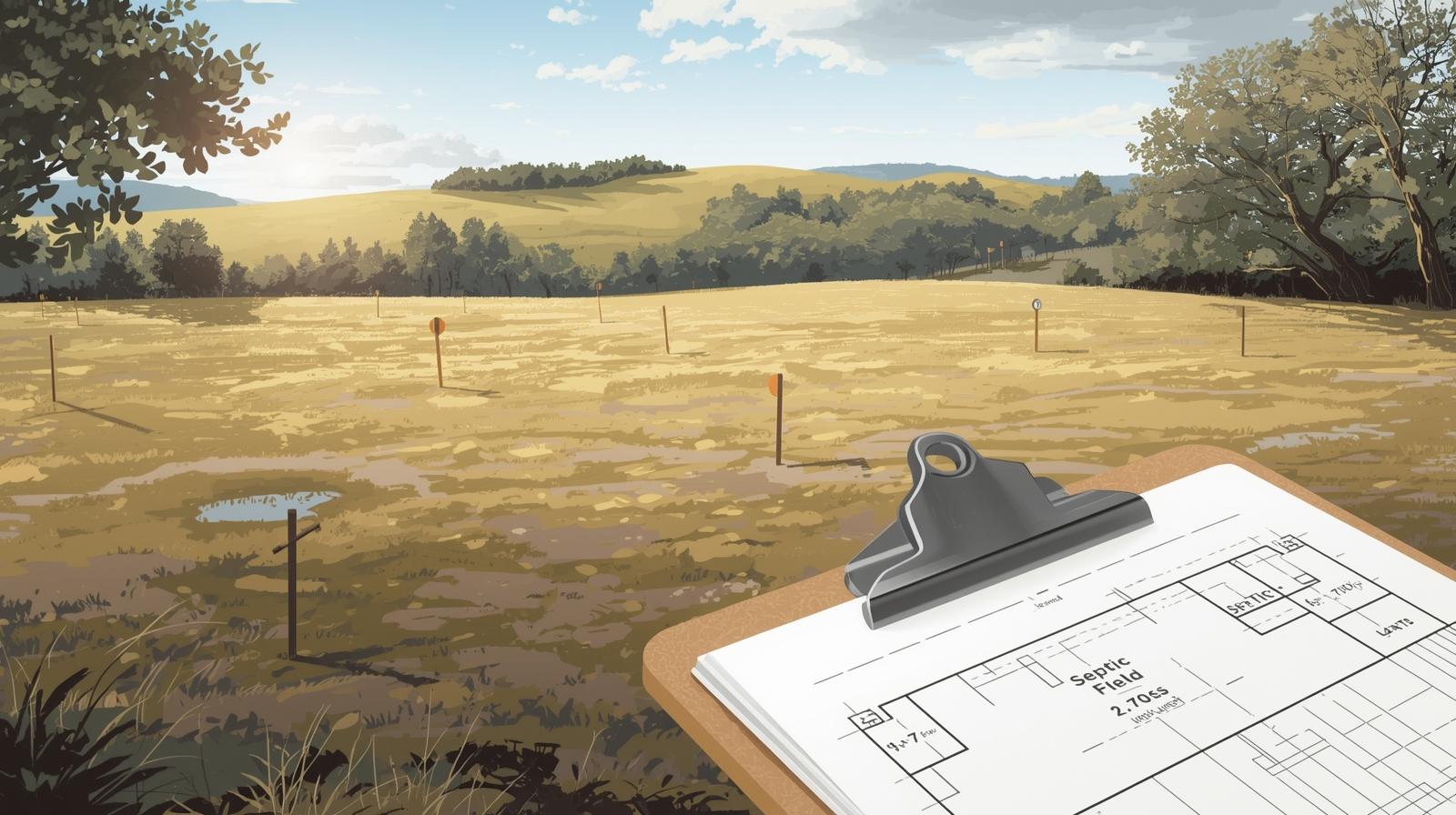
Buying Land Is Different Than Buying a Home
Purchasing land can be an exciting opportunity — whether you plan to build now, build later, or hold the property as an investment. However, buying land in Virginia and West Virginia is very different from purchasing an existing home. There are no guarantees of utilities, access, or buildability unless proper due diligence is completed.
In the Shenandoah Valley and Eastern Panhandle, feasibility studies are a critical part of protecting buyers from costly surprises.
What Is a Feasibility Study?
A feasibility study is not a single document — it’s a collection of investigations that help determine whether land can realistically be used for your intended purpose.
Feasibility typically includes:
-
Zoning and land use review
-
Septic and soil evaluation
-
Well and water availability
-
Utility access
-
Road access and easements
-
Environmental considerations
-
Topography and buildable area review
Zoning & Land Use Restrictions
Zoning laws vary widely across Virginia and West Virginia counties, especially in rural areas.
Important questions to confirm:
-
Is residential construction permitted?
-
Are there minimum acreage requirements?
-
Are modular or manufactured homes allowed?
-
Are there subdivision restrictions?
-
Are there HOA or deed limitations?
Even neighboring parcels can have very different restrictions.
Septic & Soil Feasibility (One of the Most Important Steps)
If public sewer is not available, septic approval is required before a home can be built.
Buyers should understand:
-
A perc test evaluates soil drainage capability
-
Approval is often needed before building permits are issued
-
Some parcels require alternative septic systems
-
Steep slopes, rock, or high water tables can limit approval
If a property cannot be approved for septic, it may not be buildable — regardless of acreage.
Wells & Water Access
Many land purchases in VA and WV require private wells.
Key considerations:
-
Drilling depth and cost
-
Local geology and water table conditions
-
Required well yield
-
Distance from septic systems and property lines
Well costs can vary significantly depending on location and depth.
Utilities & Infrastructure
“Nearby utilities” does not always mean affordable or accessible.
Buyers should verify:
-
Electric availability and connection fees
-
Natural gas access (often limited in rural areas)
-
Internet and cell service
-
Costs to extend utilities to the building site
This step is especially important for buyers planning to work remotely.
Road Access & Easements
Land must have legal, recorded access.
Red flags include:
-
Unrecorded gravel roads
-
Verbal access agreements
-
Private roads without maintenance agreements
-
Landlocked parcels
Always confirm recorded ingress/egress easements and year-round access.
Topography & Buildability
Not all acreage is usable acreage.
Potential challenges include:
-
Steep slopes
-
Flood zones
-
Wetlands
-
Rock outcroppings
-
Setback limitations
A survey or preliminary site plan can clarify buildable areas.
Financing Land Purchases
Land loans are different from traditional mortgages.
Typical expectations:
-
Higher down payments (20–50%)
-
Shorter loan terms
-
Higher interest rates
-
Fewer lender options
Some buyers choose to purchase land with cash or use construction-to-permanent loan programs.
Environmental & Agricultural Considerations
Land may be impacted by:
-
Conservation easements
-
Agricultural or forestry land-use programs
-
Floodplain restrictions
-
Protected or historic designations
These programs may offer tax benefits but often restrict future development.
Why Local Expertise Matters When Buying Land
Land purchases require more coordination and due diligence than a typical home sale.
A knowledgeable local agent can:
-
Identify feasibility red flags early
-
Coordinate soil, well, and survey professionals
-
Structure contracts with protective contingencies
-
Help buyers fully understand what they’re purchasing
Final Thoughts
Buying land can be an incredible opportunity — but only when feasibility is confirmed before closing. In Virginia and West Virginia, proper due diligence is essential to protecting your investment and future plans.
Navigating the Sell-and-Buy Journey: Why Using One Experienced Agent Matters in VA & WV

Selling one home while buying another is one of the most exciting—and complex—real estate moves you can make. In competitive markets like Winchester, the Shenandoah Valley, and the Eastern Panhandle of West Virginia, timing matters, preparation matters, negotiation matters… and your agent matters most of all.
Whether you’re upsizing, downsizing, relocating, or simply ready for a new chapter, understanding the process—and leaning on a single, skilled agent—can make all the difference in your stress level and financial outcome.
Step 1: Understanding Your Financial Position
Before listing your home or submitting an offer on your next one, you need clarity on:
-
Your current home’s market value in Winchester, Shenandoah Valley, or WV’s Eastern Panhandle
-
Estimated net proceeds after fees, taxes, and payoff
-
Your buying power for the next home
-
Whether a home sale contingency or bridge financing is your best path
A seasoned local agent (hi, that’s me!) brings market knowledge from all three regional markets, ensuring your pricing and strategy line up with current trends—not outdated assumptions.
Step 2: Prepping & Listing Your Current Home
When selling and buying at the same time, the goal is to:
-
Maximize your sales price
-
Minimize days on market
-
Attract strong, qualified buyers
In our area, condition, pricing, and presentation matter. A well-prepared listing—especially in Winchester city limits, Frederick County communities, and WV commuter-friendly towns like Inwood, Martinsburg, and Charles Town—can move quickly and give you leverage on your purchase.
Step 3: Shopping for Your Next Home
While your home is being prepped or listed, your agent should:
-
Help refine neighborhoods across VA & WV that match your goals
-
Monitor new listings in real time
-
Prepare you for competitive offer strategies
-
Navigate local nuances like well & septic, HOA/POA considerations, and commute dynamics
This is where using one agent becomes vital. They understand your timeline, financial goals, preferences, and must-haves—streamlining the search and avoiding miscommunications between two different agents.
Step 4: Timing the Dominoes
The number one challenge in a sell-and-buy transaction?
Coordinating timelines.
An experienced, single agent can manage:
-
Sale and purchase contract timelines
-
Contingencies (home sale, financing, appraisal)
-
Temporary housing backups
-
Closing coordination with both title companies
In our tri-state region, the differences between VA and WV contract structures can create unnecessary confusion if not managed by someone familiar with both. One agent = one strategy.
Step 5: Negotiation Strategy That Protects Both Sides
When one agent represents both your sale and purchase, they can:
-
Position your sale to create maximum buying leverage
-
Ensure contract terms complement—not conflict with—each other
-
Avoid risky timing gaps
-
Negotiate flexible closings
-
Anticipate common issues with local homes (well yields, septic inspections, radon, aging HVACs, etc.)
This is where experience matters most. You want someone who has navigated hundreds of these real-world scenarios across our unique VA/WV markets.
Step 6: Closing Day & Moving Smoothly Into Your Next Home
With a coordinated strategy, you can often:
-
Sell in the morning
-
Buy in the afternoon
-
Move once
Your agent will manage all parties—lenders, title companies, inspectors, contractors—to ensure a seamless transition.
Why Using One Agent Is the Smartest Move
Here’s what buyers and sellers gain by choosing the same agent for both transactions:
✔ Streamlined communication
One point of contact prevents delays and confusion.
✔ Stronger negotiation power
Your agent sees the big picture and can negotiate both deals to your advantage.
✔ Better financial outcomes
Coordinated timing protects your bottom line.
✔ Deep knowledge of your goals
Your priorities don’t get lost between two unrelated professionals.
✔ Expertise across multiple markets
Especially important here, where state lines create different regulations, contracts, and norms.
Why Experience Matters in Winchester, Shenandoah Valley & WV
Our region is unique.
From mountain-side acreage to city-suburban neighborhoods, plus the complexity of:
-
Well and septic
-
Radon considerations
-
Septic types (conventional vs alternative)
-
USDA-eligible buying zones
-
Cross-state commuting patterns
Working with a seasoned local agent ensures these factors don’t become obstacles—they become strategic advantages.
Final Thought
Selling and buying at the same time doesn’t have to feel overwhelming. With the right plan and the right agent guiding both sides, it becomes a smooth, exciting transition into your next chapter.
If you’re considering a move in Winchester, the Shenandoah Valley, or the Eastern Panhandle of WV, I’d love to guide you through the journey.
Best Practices for Buyers During the Contract Period: What Not to Do to Protect Your Loan Approval

Buying a home in Winchester, VA, the Shenandoah Valley, or the Eastern Panhandle of West Virginia is an exciting journey—but once you’re under contract, your actions can directly affect whether your loan is approved. Lenders review your financial profile all the way up to closing, and even small changes can cause delays or, in worst cases, a denial.
Here are the top best practices and the things buyers should avoid to keep the loan process smooth and stress-free.
1. Avoid Major Purchases — No New Cars, Furniture, or Appliances
It’s tempting to start planning for life in your new home, but big-ticket purchases can alter your debt-to-income ratio (DTI) and cause lenders to second-guess your approval.
Even “0% financing” deals still count as debt, so keep your spending steady until after closing.
Best Practice:
Pause all major purchases until you have keys in hand.
2. Don’t Open or Close Credit Accounts
Any changes to your credit profile—new credit cards, personal loans, or closing existing accounts—will trigger a new credit pull.
Why it matters:
Your credit score, credit history, and available credit all influence underwriting approval.
Best Practice:
Stay financially “boring.” No new accounts, no account closures, no credit pulls.
3. Avoid Large Cash Deposits or Unverified Transfers
Lenders must verify the source of all funds used for your down payment and closing costs. Large, unexplained deposits can create delays or trigger a denial if the source cannot be documented.
This is especially important in regions like Winchester, Shenandoah Valley, and the Eastern Panhandle where USDA, FHA, and VA loans are popular and documentation is tight.
Best Practice:
Talk to your lender before moving money around. Keep bank activity stable and easily traceable.
4. Don’t Change Jobs Without Speaking to Your Lender
Not all job changes are harmful, but lenders must re-verify employment before closing. Switching industries, taking a lower-paying position, or becoming self-employed mid-contract can derail the loan.
Best Practice:
If a job change is unavoidable, notify your lender and your Realtor immediately so we can plan ahead.
5. Avoid Missing Any Payments
One late payment—even on a small bill—can drop your credit score significantly. Some lenders even perform “credit refreshes” right before settlement.
Best Practice:
Keep everything paid on time or early during the contract period.
6. Don’t Co-Sign for Anyone—Even Temporarily
Co-signing adds new debt and liability to your credit profile. Even if the primary borrower promises to pay, the lender will count it against you.
Best Practice:
Do not co-sign anything until after closing.
7. Avoid Making Undocumented Venmo/Zelle Transactions for Earnest Money or Down Payments
Digital payment apps may not provide the level of documentation lenders require. For earnest money and deposits, always use verifiable methods like bank transfers or cashier’s checks.
Best Practice:
Use clean, traceable sources for all real estate-related payments.
8. Don’t Skip Communication With Your Lender or Agent
The Winchester–Shenandoah Valley–Eastern Panhandle markets often involve rural properties, USDA zones, well/septic systems, and unique appraisal requirements. Quick communication is crucial.
Best Practice:
Share updates immediately—job changes, income changes, gift funds, credit issues, delays, etc.
9. Avoid Taking Out New Insurance Policies or Making Drastic Changes
Believe it or not, some insurance pulls can affect your credit or raise underwriting questions.
Best Practice:
Hold steady until after settlement.
10. Stay Financially Stable Until the Keys Are in Your Hand
The safest mindset: “If it changes my finances, credit, income, job, or bank account—ask first.”
Your lender and I are here to guide you through each step so nothing jeopardizes your purchase.