Facebook
 X
X
 Pinterest
 Copy Link
🏡 Buying a Home Across State Lines (VA ↔ WV): What You Need to Know
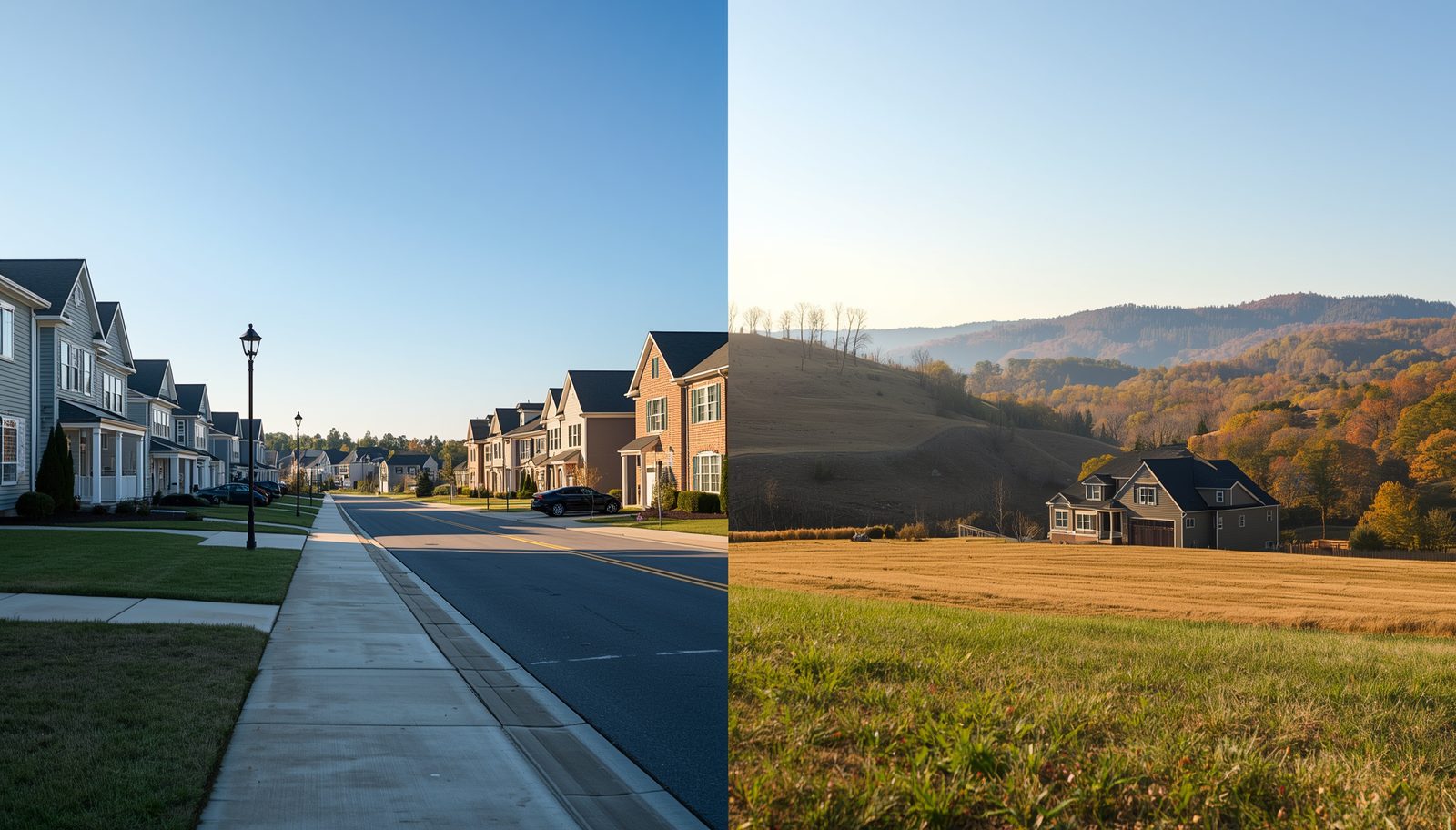
Buying a home is already a big decision. Buying one across state lines? That adds a layer most people don’t think about—until they’re in it.
If you’re considering a move between Virginia and West Virginia (especially around Winchester, Frederick County, Berkeley County, or Jefferson County), there’s good news: it’s absolutely doable—and often incredibly smart.
But there are a few key differences that can impact your finances, timeline, and long-term satisfaction.
Let’s walk through what actually matters.
🔑 It’s Not Just a Move—It’s a Different System
Even though Virginia and West Virginia are neighbors, they operate under different rules, contracts, taxes, and processes.
This isn’t just a “new zip code” situation.
You’re navigating:
- Different contract structures
- Different closing procedures
- Different tax systems
- Different lender considerations
Crossing a state line in real estate isn’t just geographic—it’s strategic.
💰 Property Taxes & Ongoing Costs
One of the biggest drivers behind VA ↔ WV moves?
Taxes.
Generally speaking:
- West Virginia tends to have lower property taxes
- Virginia may have higher taxes, but often comes with different infrastructure, schools, and amenities depending on location
That doesn’t automatically make one “better”—it just means:
👉 You need to evaluate total cost of ownership, not just purchase price.
🏦 Financing Can Shift More Than You Expect
Your lender will care a lot about which state you’re buying in.
Things that can differ:
- Loan program availability
- Property eligibility (especially rural or USDA areas in WV)
- Appraisal expectations
- Transfer taxes and closing costs
For example:
- Some areas in WV may qualify for USDA Loan Program, offering 0% down options
- That same flexibility may not apply just minutes away in VA
👉 This is where strategy matters more than assumptions.
📄 Contracts & Closings Are Not the Same
This is one of the biggest “wait, what?” moments for buyers.
In Virginia:
- Closings are typically handled by title companies or attorneys
- Negotiation structures follow Virginia-specific contracts
In West Virginia:
- Closings are often attorney-driven
- Contract language and contingencies can feel different if you’re used to VA
Even timelines and expectations can vary.
👉 Translation: what worked in one state doesn’t automatically translate to the other.
🚗 Commuting & Lifestyle Considerations
A lot of VA ↔ WV buyers are making a lifestyle trade:
- More land or space in WV
- Different pricing structures
- Potentially longer commute times
Areas like:
- Winchester
- Frederick County
- Berkeley County
- Jefferson County
…are deeply connected, but your day-to-day experience can shift quickly depending on which side you land on.
👉 This is where your “non-negotiables” matter more than ever (commute, land, home type, budget comfort).
🏡 Property Types & Inventory Differences
You’ll often find:
West Virginia:
- More land
- More rural or semi-rural options
- Potential for larger homes at lower price points
Virginia:
- More suburban structure
- Higher density in certain areas
- Different HOA and community setups
Neither is inherently better—it’s about how you want to live.
⚖️ Why Working With the Right Agent Matters (More Here Than Anywhere)
This is one of those scenarios where having the right guidance isn’t just helpful—it’s critical.
You’re not just buying a house.
You’re navigating two systems at once.
Working with someone who understands:
- Both state contracts
- Both market dynamics
- Cross-border negotiation strategy
…can be the difference between:
✔️ A smooth, confident purchase
❌ Or a series of frustrating surprises
❓ FAQs: Buying Across VA & WV
Do I need a different agent for each state?
Not necessarily—if your agent is licensed in both states. Otherwise, coordination between agents is required.
Are closing costs higher in one state?
They can be. Taxes, transfer fees, and attorney involvement can vary, so it depends on the specific property and location.
Is it cheaper to live in WV than VA?
Often, yes in terms of taxes and purchase price—but commuting, utilities, and lifestyle factors should be considered.
Can I use the same lender for both states?
Usually yes, but they must be licensed in both states and familiar with local guidelines.
Does the buying process take longer across state lines?
Not inherently—but lack of preparation or understanding can create delays.
🧠 Closing Thoughts
Buying across state lines isn’t complicated because it’s risky—it’s complicated because it’s different.
And different requires strategy.
When you understand the moving pieces—taxes, financing, contracts, and lifestyle—you can make a decision that doesn’t just work on paper, but actually works for your life.
Top 7 Things Sellers Should Do Before Listing (That Actually Pay Off)
Selling your home isn’t about doing everything—it’s about doing the right things.
One of the biggest misconceptions I see with sellers in Winchester and across the Shenandoah Valley is this idea that you need a full renovation or a massive investment to get top dollar.
You don’t.
What you do need is strategy.
Because not all updates are created equal—and some of the most expensive ones? Don’t pay you back.
Let’s walk through the 7 things that consistently make a difference (and actually show up in your bottom line).
1. Start With a Strategic Walkthrough (Not a Guessing Game)
Before you touch a thing, bring in a local expert.
A strategic pre-listing walkthrough identifies:
- What buyers will notice immediately
- What will raise red flags
- What’s worth fixing vs. what’s not
This is where we separate emotion from ROI.
👉 The goal isn’t perfection—it’s positioning your home to compete.
2. Declutter (Yes, It Matters More Than You Think)
This is one of the highest ROI “updates” you can make—and it costs almost nothing.
Focus on:
- Closets (buyers absolutely look)
- Kitchen counters
- Bathroom surfaces
- Open floor space
Less stuff = more perceived space = stronger offers.
3. Deep Clean Like You Mean It
We’re not talking about your normal Saturday reset.
We’re talking:
- Baseboards
- Windows (inside AND out)
- Grout lines
- Light fixtures
- Ceiling fans
A clean home signals care and maintenance—and buyers feel that immediately.
4. Paint—But Keep It Strategic
Fresh paint is powerful… when done right.
Stick to:
- Light, neutral tones
- Consistency throughout the home
- Touch-ups where needed
Avoid:
- Trendy colors
- Accent walls that divide spaces
👉 Paint should make your home feel bigger, brighter, and move-in ready—not personalized.
5. Handle the “Little Repairs” Buyers Always Notice
This is where deals quietly fall apart.
Take care of:
- Leaky faucets
- Loose handles/hinges
- Scuffed walls
- Burnt-out bulbs
- Running toilets
These small issues create a big impression—usually the wrong one.
6. Boost Curb Appeal (Your First Showing Happens Outside)
Before a buyer ever steps inside, they’ve already formed an opinion.
Focus on:
- Fresh mulch
- Trimmed landscaping
- Clean walkway/driveway
- A welcoming front door
You don’t need a full landscaping overhaul—just a clean, cared-for look.
7. Consider a Pre-Listing Inspection (When It Makes Sense)
This one isn’t for every seller—but when used strategically, it can be powerful.
Benefits:
- Identify issues before buyers do
- Avoid surprise negotiations
- Build buyer confidence
In competitive markets like Winchester and surrounding areas, this can create smoother transactions and stronger offers.
FAQs
Do I need to renovate my kitchen or bathrooms before selling?
Usually, no. Major renovations often don’t return dollar-for-dollar. Strategic updates outperform full remodels in most cases.
What’s the #1 thing that turns buyers off?
Deferred maintenance. Buyers start to wonder what else hasn’t been taken care of.
Should I stage my home?
It depends on the property—but even light staging or furniture rearranging can significantly improve presentation.
How do I know what’s worth doing for my specific home?
This is where a customized strategy matters. Every home—and every price point—is different.
Closing Thoughts
The sellers who win in today’s market aren’t the ones who spend the most—they’re the ones who prepare the smartest.
The right strategy doesn’t just help your home sell—it helps it sell faster, cleaner, and with stronger terms.
And that’s the goal.
The Truth About “Dream Homes”: Expectations vs. Reality (And How to Navigate It)

Your dream home isn’t about perfection—it’s about alignment, strategy, and knowing what actually matters.
Let’s Start With the Honest Part…
Everyone has a version of a “dream home.”
It usually looks something like:
- The perfect kitchen (obviously)
- The ideal location (but also quiet… but also convenient…)
- Updated everything
- Within budget (of course)
And those are all completely valid things to want.
But here’s the part no one says out loud enough:
Dream homes don’t exist in a vacuum. They exist in a market.
And that market? It comes with inventory limitations, pricing realities, competition, and timing.
Expectation vs. Reality: Where the Disconnect Happens
Expectation: “I’ll know it when I see it—and it’ll check every box.”
Reality: Most buyers find a home that checks 70–85% of their boxes—and that’s actually a win.
Perfection is not the goal.
Alignment is.
Expectation: “If I’m patient, the perfect one will come along.”
Reality: Sometimes waiting means missing the right house—not the perfect one.
There’s a difference between:
- Being intentional
- And being stuck in comparison mode
Expectation: “If it’s not perfect, I’m settling.”
Reality: There is a massive difference between compromise and settling.
Let’s define that clearly:
- Compromise = Adjusting on things that can change (paint, fixtures, cosmetic updates)
- Settling = Accepting something that conflicts with your lifestyle, finances, or long-term goals
If it impacts how you live day-to-day? That’s not a compromise.
What Actually Makes a Home a “Dream” Home
Here’s the shift that changes everything:
A dream home is not about perfection on day one.
It’s about how well it supports your life.
That includes:
- Location that fits your routine
- A layout that works for how you live (not just how it looks online)
- Financial comfort (yes, this matters more than granite countertops)
- Long-term potential
Because here’s the truth:
A home becomes a dream over time—not just at closing.
How to Navigate This Like a Pro (Without Losing Your Mind)
1. Get Clear on Your Non-Negotiables
These are your anchors.
Think:
- Commute or location
- Number of bedrooms/bathrooms
- Property type (single-family vs townhome vs condo)— this may require some flexibility depending on your budget, but it can also be used as a strategic stepping stone for future growth and long term goals
- Budget comfort—not just max approval
Everything else? Likely flexible.
2. Rank Your Wants (Instead of Treating Them All Equally)
Not all “wants” carry the same weight.
A renovated kitchen ≠ a functional layout
A big yard ≠ the right location
When everything is a priority… nothing is.
3. Understand What Can Be Changed vs. What Can’t
You can change:
- Paint
- Fixtures
- Flooring
- Even kitchens over time
You cannot change:
- Location
- Lot placement
- Floor plan (easily or affordably)
This is where strategy beats emotion.
4. Stay Grounded in the Market You’re In
The spring market in areas like Winchester and the Shenandoah Valley?
It moves. And it moves quickly when the right home hits.
That means:
- Hesitation can cost you opportunity
- Overanalyzing can lead to missed chances
- Comparison can create decision paralysis
5. Work With Someone Who Will Tell You the Truth
This is where I’ll be very direct:
If your agent is telling you every house is “perfect”… that’s not helpful.
You need someone who will:
- Point out potential resale concerns
- Help you think long-term
- Challenge your thinking (in a productive way)
- Keep you focused on your goals—not just your emotions in the moment
Because yes… sometimes I will say:
“I know you like it—but here’s what worries me.”
And that’s not to kill the vibe.
That’s to protect your future.
The Real Goal Isn’t Perfection—It’s Confidence
At the end of the day, what you want is not a flawless house.
You want to feel:
- Confident in your decision
- Comfortable in your investment
- Excited about your future there
That’s the win.
FAQs
Do dream homes actually exist?
They exist—but not usually in the way people imagine. Most “dream homes” are created over time through personalization and living in the space.
How do I know if I’m compromising too much?
If the issue affects your daily lifestyle or long-term goals, it’s likely too much. Cosmetic or upgradable features are where compromise makes sense.
Should I wait for something better to come along?
It depends. If a home meets your core needs and aligns with your goals, waiting can sometimes mean missing the right opportunity.
Is it normal to feel unsure even when I like a house?
Completely. This is a major financial and emotional decision. The goal isn’t zero doubt—it’s informed confidence.
Closing Thoughts
There’s a moment in almost every home search where buyers pause and think,
“Is this it… or should I keep looking?”
That moment? It’s normal.
My job isn’t to rush you through it or sell you on something that isn’t right.
It’s to help you understand what you’re looking at, what it means long-term, and how it fits into your life.
Because the goal was never to find a perfect house.
It’s to find the right one—for you.
Pre-Approval vs. Prequalification: Why It Matters More Than You Think
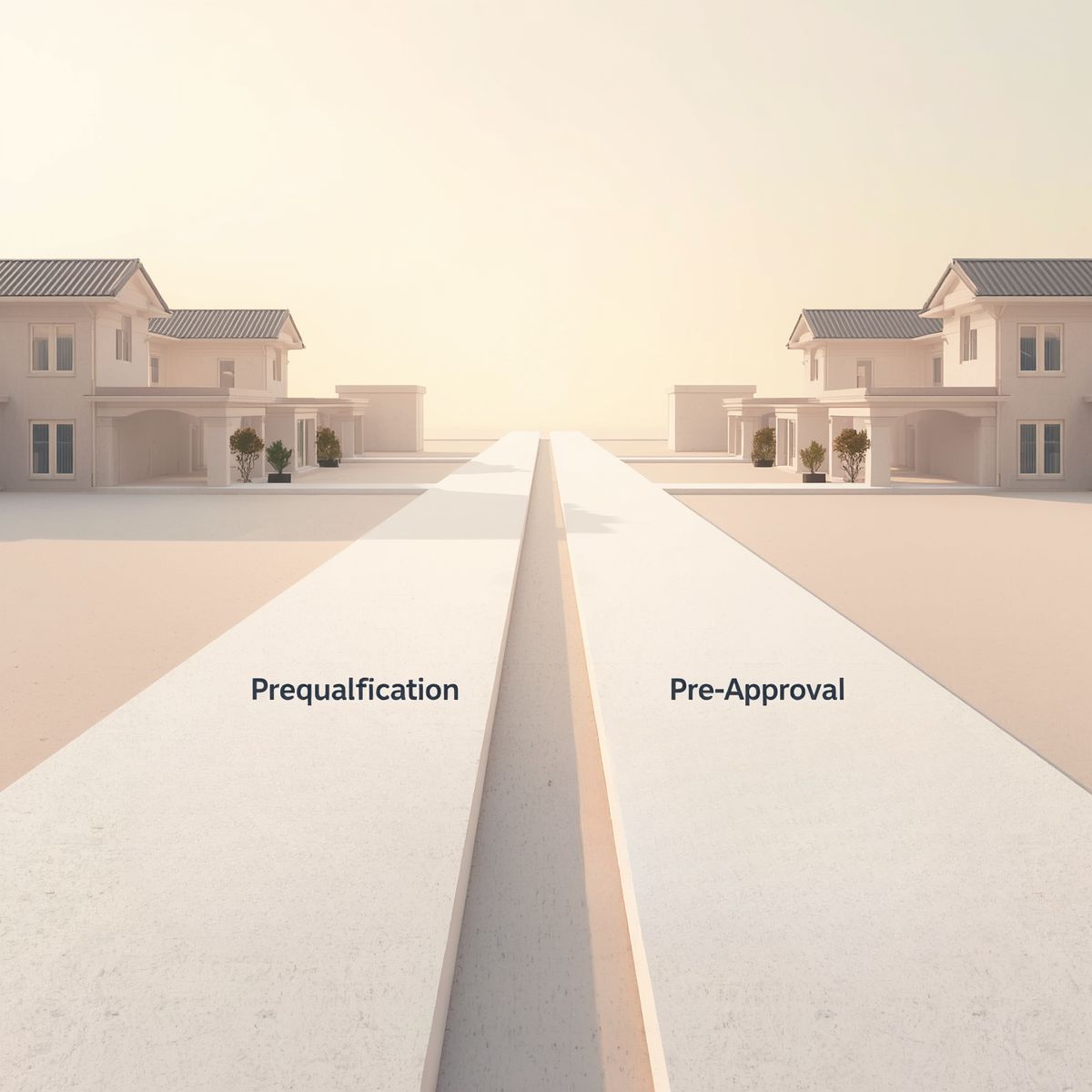
Not all “approvals” are created equal—and knowing the difference can change everything about your home search.
If you’ve started thinking about buying a home, chances are you’ve heard the terms prequalification and pre-approval used interchangeably.
They sound similar.
They feel similar.
But in reality? They are very different—and choosing the wrong one can cost you time, opportunity, and even the home you love.
Let’s break this down in a way that actually makes sense (and more importantly, helps you make smarter moves from the very beginning).
What Is a Prequalification?
A prequalification is essentially a starting point.
It’s based on:
- Information you provide (income, debts, assets)
- A soft or no credit check
- No verification of documents
👉 Think of it as a conversation, not a commitment.
What it tells you:
- A rough estimate of what you might be able to afford
- A general price range to begin exploring
What it doesn’t do:
- Verify your financials
- Strengthen your offer
- Guarantee loan approval
💡 It’s helpful—but it’s not something a seller is going to take seriously in a competitive situation.
What Is a Pre-Approval?
A pre-approval is where things get real.
This is a much more in-depth process where a lender:
- Pulls your credit report
- Reviews income documentation (W-2s, pay stubs, tax returns)
- Verifies assets and debts
- Runs your information through underwriting guidelines
👉 This is a financial vetting process, not just a conversation.
What it tells you:
- A much more accurate loan amount
- Your true buying power
- Confidence in your numbers
What it does:
- Makes your offer significantly stronger
- Shows sellers you’re serious and qualified
- Positions you to move quickly when the right home hits
Why This Matters More Than You Think
This isn’t just about paperwork—it’s about strategy.
1. Your Offer Strength Depends on It
In markets like Winchester and throughout the Shenandoah Valley, sellers are looking for certainty.
A pre-approval says:
“This buyer has already done the work.”
A prequalification says:
“This buyer might still have hurdles.”
And when multiple offers are on the table? That difference matters.
2. It Protects You From Surprises
One of the hardest conversations I have with buyers is when:
- They thought they qualified…
- They found the perfect home…
- And then financing falls apart.
A true pre-approval helps prevent:
- Credit surprises
- Debt-to-income issues
- Last-minute loan denials
💬 Clarity upfront = confidence later.
3. It Helps You Shop Smarter (Not Just Higher)
This one is important—and often misunderstood.
Pre-approval doesn’t mean:
“Go spend the max.”
It means:
“Understand your range so you can make strategic decisions.”
Sometimes that includes:
- Staying below your max for comfort
- Expanding your search slightly for better options
- Recognizing when a small price difference could mean a significantly better long-term fit
4. It Speeds Everything Up
When you’re pre-approved:
- Your offer can move faster
- Your contract process is smoother
- Your closing timeline is more predictable
And in real estate? Speed = opportunity.
Prequalification vs. Pre-Approval (Quick Comparison)
| Feature | Prequalification | Pre-Approval |
|---|---|---|
| Credit Check | No / Soft | Hard Check |
| Income Verification | No | Yes |
| Accuracy | Estimated | Highly Accurate |
| Seller Confidence | Low | High |
| Offer Strength | Weak | Strong |
The Bottom Line
If you’re serious about buying a home, pre-approval isn’t optional—it’s essential.
Prequalification can be a helpful first step, but pre-approval is what actually:
- Positions you to win
- Protects your time and energy
- Gives you real clarity and confidence
🧩 FAQs
Do I need a pre-approval before looking at homes?
Technically no—but strategically, yes. It ensures you’re looking at homes you can actually secure.
Does getting pre-approved hurt my credit?
It involves a hard inquiry, but the impact is typically small and temporary—and well worth it.
How long does a pre-approval last?
Usually 60–90 days, depending on the lender.
Can I make an offer with just a prequalification?
You can—but it may not be competitive, especially in a multiple-offer situation.
Closing Thought
Buying a home isn’t just about finding the one—it’s about being ready when you do.
And readiness?
That starts with the right foundation.
Spring Market in Winchester, VA: What Buyers & Sellers Need to Know Right Now

Spring is officially here—and in real estate, that means one thing: the market is moving.
But if you’re expecting the same fast-paced, seller-dominated frenzy we saw a few years ago… this spring is telling a different story.
The Winchester, VA market in Spring 2026 is shaping up to be something we haven’t seen in a while: more balanced, more strategic, and full of opportunity—if you know how to navigate it.
Let’s break down what’s actually happening right now, and what it means for you whether you’re buying or selling.
🌸 What’s Happening in the Winchester Market Right Now?
Here’s the real-time snapshot:
- Median home values are hovering around $380K–$400K
- Prices are stable to slightly increasing year-over-year (roughly +1–2%)
- Homes are taking longer to sell than last year (closer to ~40–57 days)
- Over 50% of homes are selling under asking price
- Inventory has increased significantly—making this a buyer-leaning market
Translation?
We’ve shifted out of chaos…and into strategy.
🏡 What This Means for Buyers
If you’re a buyer, this is the kind of market you’ve been waiting for.
💡 Opportunities Right Now:
- More Inventory = More Options
- Less competition (fewer bidding wars)
- Negotiation power is back
- Ability to request:
- Closing cost assistance
- Repairs
- Home warranties
This lines up with national trends too—buyers are regaining leverage, especially on homes sitting longer on the market .
⚠️ But Here’s the Catch:
The good homes?
Still moving quickly.
Well-priced, well-presented homes are:
- Getting attention fast
- Receiving multiple offers (yes, still)
- Selling closer to list price
👉 The difference now is you have a choice—but you still need a strategy.
🏠 What This Means for Sellers
Let’s be very clear:
You can absolutely still sell successfully this spring.
But the approach matters more than ever.
💡 What’s Working for Sellers:
- Strategic pricing (not “testing the market”)
- Strong presentation (clean, staged, updated)
- Professional marketing
Spring is still historically the best time to list, with mid-April often bringing peak buyer activity .
⚠️ Where Sellers Are Struggling:
- Overpricing based on 2021–2022 expectations
- Skipping prep (repairs, staging, photos)
- Assuming the home will “sell itself”
Homes that miss the mark are:
- Sitting longer
- Seeing price reductions
- Receiving lower offers
👉 Today’s buyers are more selective—and they have options.
⚖️ The Big Shift: From Speed to Strategy
This is no longer a market of extremes.
We are in a “gray area” market:
- Not fully buyer-dominated
- Not fully seller-dominated
- But highly dependent on execution
Think of it like this:
👉 The market isn’t harder… it’s just less forgiving.
- Buyers who hesitate may miss the right home
- Sellers who overreach may sit
📍 Local Insight: Why Winchester Is Holding Strong
Even with shifts, Winchester continues to show stability because of:
- Strong regional demand (commuter access + lifestyle appeal)
- Relative affordability compared to Northern VA
- Consistent long-term appreciation (even with short-term leveling)
Forecasts suggest moderate price growth (2–4%) moving forward, not a crash .
🧠 So… What Should You Do Right Now?
✔️ Buyers:
- Get clear on your numbers and your flexibility
- Be ready to negotiate—but also recognize value
- Don’t wait for a “perfect” market (it doesn’t exist)
✔️ Sellers:
- Price strategically from day one
- Invest in presentation—it matters more now
- Be open to negotiation (it’s part of today’s market)
✨ The Bottom Line
This spring market isn’t about luck.
It’s about clarity, preparation, and strategy.
And honestly?
That’s where the best decisions—and the best outcomes—happen.
🧩 FAQs
Is now a good time to buy in Winchester, VA?
Yes—buyers have more negotiating power and inventory than in recent years, but desirable homes still move quickly.
Are home prices dropping in Winchester?
Not significantly. Prices are stabilizing with slight fluctuations, but long-term trends remain positive.
Is Winchester a buyer’s or seller’s market right now?
Currently leaning toward a buyer’s market due to increased inventory and longer days on market.
Should sellers wait for a better market?
Not necessarily. Spring is still the strongest season—success just depends on pricing and presentation strategy.
🏡 The Biggest Mistake Buyers Make Before They Even Start Looking

They Start Searching Before They Understand Their Strategy
It’s exciting.
You open Zillow, start scrolling, fall in love with a kitchen… maybe a front porch… maybe a whole lifestyle.
And just like that—you’re “house hunting.”
But here’s the truth most buyers don’t realize:
The biggest mistake happens before the search ever begins.
❌ The Mistake: Starting With Homes Instead of a Plan
Most buyers think the process starts with:
- Browsing homes online
- Saving favorites
- Scheduling showings
But that’s actually step five… not step one.
When you start looking without a strategy:
- You risk falling in love with homes you can’t (or shouldn’t) buy
- You don’t understand your true buying power
- You miss opportunities because you’re not positioned to act quickly
- You create emotional decision-making instead of confident decision-making
And that’s how stress, disappointment, and missed deals happen.
✅ What Should Happen First Instead
Before you ever step foot in a home, you should have three key things in place:
1. A Clear Financial Picture (Not Just a Guess)
This is more than a quick online calculator.
It’s understanding:
- Your true monthly comfort range (not just what a lender approves)
- How taxes, insurance, and interest rates affect your payment
- What small changes in price mean for your monthly cost
Pre-approval isn’t a formality—it’s your foundation.
2. A Strategy Conversation (This Changes Everything)
This is where most buyers skip ahead—and it’s the difference between a smooth experience and a stressful one.
A real strategy conversation covers:
- Your goals (timeline, lifestyle, long-term plans)
- Market conditions in your specific area
- Loan types and how they impact your offer strength
- What to prioritize vs. where to stay flexible
This is where you move from “looking” to “buying with intention.”
3. The Right Expectations (So You Don’t Second Guess Everything)
Without guidance, buyers often:
- Expect perfection within budget
- Misjudge what’s realistic in the current market
- Feel unsure when it’s time to make an offer
When expectations are aligned early:
- Decisions feel easier
- You recognize the right home when you see it
- You avoid overthinking (and losing out)
💡 Why This Matters More Than Ever
In today’s market—whether it’s competitive or shifting—preparation is power.
The buyers who win aren’t the ones who:
- Saw the home first
They’re the ones who:
- Were ready first
- Understood their numbers
- Had a clear plan
Confidence doesn’t come from finding the perfect house.
It comes from knowing exactly how to act when you do.
🧠 The Bottom Line
Scrolling is easy.
Strategy is everything.
The smartest buyers don’t start with homes.
They start with a plan.
And from there?
Everything gets easier, clearer, and a whole lot more successful.
📍 Thinking About Buying?
If you’re even considering starting the process, the best first step isn’t a home tour—it’s a conversation.
Let’s map out your plan so when the right home shows up…
you’re ready for it. 🏡❤️
What It Actually Feels Like to Work With the Right Realtor (And How to Tell You’ve Found One)

There’s a difference between hiring a Realtor… and feeling taken care of by one.
It’s not always something you can articulate right away—but when it’s right, you know.
And when it’s not? You definitely feel that too.
Let’s talk about what the right experience actually feels like—because if you know what to look for, you can choose better from the start.
It Feels Calm—Even When Things Aren’t
Real estate isn’t always smooth. There are deadlines, negotiations, emotions, and a lot of moving parts.
But working with the right Realtor doesn’t feel chaotic.
It feels:
- Grounded
- Clear
- Handled
You’re not wondering what’s next or chasing updates. You’re not lying awake at night trying to figure out if you missed something.
Even when something unexpected comes up, there’s a plan—and someone steady guiding you through it.
You Feel Informed, Not Sold
The right Realtor doesn’t “pitch” you into decisions.
They:
- Explain your options
- Break down pros and cons
- Help you understand the why behind everything
You’re not rushed. You’re not pressured.
You’re equipped.
Because the goal isn’t just to get you to the closing table—it’s to make sure you feel confident about how you got there.
You Feel Heard—Like, Actually Heard
You’re not repeating yourself.
You’re not being steered into homes (or strategies) that don’t match what you said you wanted.
Instead, you notice:
- Your priorities are remembered
- Your concerns are addressed before you even bring them up again
- The process feels tailored to you, not templated
It’s collaborative. Not transactional.
Communication Feels Easy (Not Stressful)
You don’t hesitate to reach out.
You’re not wondering:
- “Am I bothering them?”
- “Should I wait?”
- “Why haven’t I heard anything?”
The right Realtor sets expectations and then meets them.
You know:
- When you’ll hear from them
- How quickly they respond
- What’s happening behind the scenes
And most importantly—you feel like you’re in it together.
You Feel Protected, Not Just Represented
This is the big one.
Anyone can open doors and write contracts.
But the right Realtor is:
- Watching for red flags
- Thinking two steps ahead
- Protecting your money, your time, and your long-term position
They’re not just asking, “Can we make this work?”
They’re asking, “Should we?”
You Don’t Feel Like a Transaction
You’re not just another deal in a pipeline.
There’s a level of care that feels… different.
It shows up in:
- The way they explain things
- The way they check in
- The way they advocate for you
You feel like your outcome actually matters to them.
Because it does.
How to Tell You’ve Found the Right Realtor
If you’re trying to decide who to work with, here’s a simple gut-check:
Ask yourself:
- Do I feel more clear after talking to them—or more confused?
- Do I feel pressured—or supported?
- Do I trust them to tell me the truth, even if it’s not what I want to hear?
- Do I feel like they’re listening—or waiting to respond?
- Do I feel more confident about my decisions—or second-guessing them?
The right fit won’t leave you wondering.
It will feel like alignment.
Final Thought
Buying or selling a home is a big deal.
You deserve more than someone who can “do the job.”
You deserve someone who:
- Guides
- Educates
- Advocates
- And genuinely cares about the outcome
Because when you find the right Realtor…
You don’t just get to the finish line.
You feel good the entire way there.
Investing 101: What You Need to Know Before You Buy Your First Investment Property

Investing in real estate is one of the most powerful ways to build long-term wealth—but like anything worthwhile, it requires strategy, education, and the right expectations.
If you’ve ever thought, “I’d love to invest, but I don’t even know where to start,” you’re not alone. Let’s break down the fundamentals so you can approach real estate investing with confidence.
What Does “Investing in Real Estate” Actually Mean?
At its core, real estate investing is purchasing property with the intention of generating income, appreciation, or both.
This can look like:
- Long-term rental properties
- Short-term rentals (like Airbnb/VRBO)
- Fix-and-flip opportunities
- Multi-family properties
- House hacking (living in one portion, renting the rest)
The strategy you choose should align with your financial goals, lifestyle, and risk tolerance.
Start With Your “Why”
Before numbers, before properties—start here.
Ask yourself:
- Are you looking for monthly cash flow?
- Long-term appreciation?
- A future retirement plan?
- A stepping stone into full-time investing?
Your “why” determines your strategy—and your strategy determines everything else.
Understand the Financial Side
This is where many new investors either get intimidated… or make costly mistakes.
Here are the key pieces to understand:
💰 Down Payment & Financing
Investment properties often require:
- Higher down payments (typically 15–25%+)
- Stronger credit profiles
- Cash reserves
Loan options vary, and working with a knowledgeable lender is key.
📊 Cash Flow vs. Appreciation
Cash Flow = Monthly income after expenses
Appreciation = Property value growth over time
Some properties are great for one… some for the other… few for both.
Knowing which you’re prioritizing helps guide your search.
🧾 Expenses Add Up Quickly
It’s not just the mortgage.
Be sure to account for:
- Property taxes
- Insurance
- Maintenance & repairs
- Vacancy periods
- Property management (if applicable)
A deal that looks great on paper can fall apart if these aren’t considered upfront.
Location Still Matters—A Lot
You’ve heard it before, but it hits differently with investing.
Look for:
- Job growth and economic stability
- Rental demand
- School districts
- Proximity to amenities
- Future development plans
In areas like Winchester, VA and the surrounding Shenandoah Valley, we often see strong appeal due to affordability compared to Northern Virginia, lifestyle quality, and steady demand.
Know Your Risk Tolerance
Every investment comes with risk—it’s about managing it, not avoiding it.
Ask yourself:
- How comfortable am I with repairs or unexpected costs?
- Do I want something turnkey or am I open to renovations?
- Can I handle periods without rental income?
Your answers will help shape the type of property you should pursue.
Build the Right Team
This is not a solo sport.
A strong investment team typically includes:
- A knowledgeable real estate agent
- A lender experienced with investment loans
- A reliable contractor
- A property manager (if needed)
- An accountant or financial advisor
The right team doesn’t just help you buy—they help you buy smart.
Don’t Wait for “Perfect”
One of the biggest mistakes new investors make is waiting too long.
There is no perfect property.
There is no perfect timing.
There is only:
- Educated decisions
- Calculated risk
- Long-term perspective
The first investment is often the hardest—but it’s also the one that opens the door to everything else.
Final Thoughts
Real estate investing isn’t about getting rich quick—it’s about building wealth intentionally over time.
With the right education, strategy, and support, investing can become one of the most powerful tools in your financial toolbox.
If you’re even thinking about investing, that’s your sign to start the conversation.
Finding Your Dream Home: Balancing Vision, Budget & Smart Strategy

Finding your dream home is one of the most exciting journeys you’ll take—but it can also feel overwhelming when expectations, budget, and emotions collide. The key to success isn’t just finding “the one”—it’s understanding how to align your vision with reality, knowing the difference between compromise and settling, and working with a trusted real estate professional who can guide you every step of the way.
Define What “Dream Home” Really Means to You
Your dream home isn’t just about square footage or finishes—it’s about how you live.
Start by separating your wants into three categories:
- Must-Haves – Non-negotiables (location, number of bedrooms, commute, school district)
- Nice-to-Haves – Features that would elevate your lifestyle (updated kitchen, garage, acreage)
- Dream Features – The wishlist items (pool, mountain views, custom finishes)
This clarity helps you stay focused when emotions start to take over—and they will.
Understanding Your Budget: More Than a Number
Your pre-approval is your foundation—but it’s not your entire strategy.
Just because you’re approved for a certain amount doesn’t mean that’s where you should be shopping. On the flip side, staying too far below your approval range can limit your options and cause you to miss out on the right home for a relatively small difference in monthly payment.
A strong approach includes:
- Evaluating your comfort zone monthly payment
- Considering future expenses and lifestyle goals
- Leaving room for maintenance, furnishings, and unexpected costs
The goal isn’t just to buy a home—it’s to enjoy living in it.
Compromise vs. Settling: Know the Difference
This is where many buyers get stuck—or worse, make the wrong decision.
Compromise is strategic and expected.
Settling is emotional and often leads to regret.
Compromise Looks Like:
- Choosing a home without your ideal paint colors (easy fix)
- Opting for a slightly longer commute for a better property
- Buying a home without a finished basement—but with room to add one later
Settling Looks Like:
- Buying in a location you don’t truly like
- Sacrificing your core needs (bedrooms, layout, functionality)
- Feeling unsure or uneasy—but moving forward anyway
A great rule of thumb:
👉 You should feel excited and confident—not like you’re “just making it work.”
The Power of Realtor Trust & Communication
Your agent is more than someone unlocking doors—they are your strategist, advocate, and sounding board.
The right relationship should feel like:
- Honest guidance (not just telling you what you want to hear)
- Clear communication about market conditions, pricing, and competition
- Protection of your best interests at every stage
You don’t want a “yes person.”
You want someone who will say:
👉 “This is a great house—but here’s what you should consider before making an offer.”
That level of honesty is what protects you from settling—and helps you win the right home.
Tools That Give You a Competitive Edge
In today’s market, having the right tools isn’t optional—it’s essential.
A strong agent will provide:
- Real-time property alerts so you never miss an opportunity
- Market data and pricing insights to guide smart offers
- Strategic offer structuring to help you stand out in competitive situations
This isn’t just about finding homes—it’s about positioning you to win the right one.
Patience + Strategy = Success
The dream home process isn’t always instant—and that’s okay.
Sometimes the right home:
- Comes after a few near-misses
- Requires adjusting expectations slightly
- Shows up when you least expect it
With the right mindset, the right guidance, and the right strategy, you’ll not only find a home—you’ll find your home.
Final Thoughts
Finding your dream home is a balance of vision, flexibility, and smart decision-making. When you understand your budget, recognize the difference between compromise and settling, and work with a trusted advisor who prioritizes your goals—you set yourself up for success.
Because at the end of the day, your dream home isn’t about perfection…
It’s about the right fit for your life, your future, and your peace of mind.
Common Mistakes Home Sellers Make (and How to Avoid Them in Today’s Market)

Overpricing the Home from the Start
One of the most common (and costly) mistakes sellers make is pricing their home too high out of the gate. While it’s natural to want top dollar, an inflated price often leads to fewer showings, extended days on market, and eventual price reductions—which can make buyers wonder what’s wrong with the home.
The reality:
The first 1–2 weeks on the market are your most powerful window. Pricing correctly from day one creates urgency, competition, and stronger offers.
Skipping Preparation and Presentation
Buyers don’t just buy homes—they buy how a home feels. Sellers who skip decluttering, staging, and basic updates often leave money on the table.
Common missteps include:
- Overcrowded rooms
- Deferred maintenance (leaky faucets, scuffed walls)
- Personal items that make it hard for buyers to envision themselves there
The fix:
Clean, neutral, and well-presented homes consistently sell faster and for more money.
Ignoring Needed Repairs
Many sellers assume they can “just sell as-is” without consequence. While that is an option, it doesn’t mean buyers won’t notice issues—or ask for concessions.
What happens instead:
- Buyers build repair costs into their offers (often overestimating)
- Inspections become negotiation battlegrounds
- Deals fall apart over preventable issues
Smart strategy:
Address major concerns ahead of time or at least understand them so you can price and negotiate accordingly.
Using Low-Quality Photos (or Not Enough of Them)
In today’s market, your home is first shown online—not in person. Poor photography is one of the fastest ways to lose buyer interest before they ever step foot inside.
What buyers expect:
- Bright, high-resolution images
- Clean, well-staged spaces
- Enough photos to understand the layout and flow
Bottom line:
Marketing matters. The more eyes on your home, the better your outcome.
Being Unavailable or Difficult for Showings
Limited showing availability can drastically reduce your buyer pool. The more accessible your home is, the more opportunities you create for offers.
Common mistakes:
- Restrictive showing windows
- Last-minute cancellations
- Requiring excessive notice
Best approach:
Be as flexible as possible, especially during the first few weeks on market.
Letting Emotions Drive Decisions
Selling a home is emotional—but buyers make decisions based on value, condition, and comparison.
Where this shows up:
- Taking offers personally
- Rejecting strong offers over small details
- Struggling with feedback
The shift:
Think of your home as a product. The goal is to position it competitively and negotiate strategically.
Choosing the Wrong Agent (or Going It Alone)
Not all agents (or selling strategies) are the same. Choosing someone who simply agrees with everything you say—or going the For Sale By Owner route without a plan—can cost you significantly.
What to look for:
- Honest pricing strategy (not a “yes agent”)
- Strong marketing plan
- Clear communication and guidance
- A focus on protecting your interests—not just closing a deal
Not Understanding the Local Market
Real estate is hyper-local. What worked six months ago—or in another area—may not apply to your home today.
Key factors that impact your sale:
- Inventory levels
- Buyer demand
- Interest rates
- Seasonal trends
Why this matters:
A strong strategy is built on current, local data—not assumptions.
Waiting Too Long to Make Adjustments
If your home isn’t getting showings or offers, the market is giving you feedback. Waiting too long to adjust price or strategy can make it harder to regain momentum.
What to watch for:
- Low showing activity
- No offers after consistent traffic
- Repeated buyer feedback
The move:
Be proactive. Small adjustments early can prevent bigger ones later.
The Bottom Line
Selling a home isn’t just about putting a sign in the yard—it’s about strategy, presentation, timing, and execution.
Avoiding these common mistakes can mean:
- More showings
- Stronger offers
- Smoother negotiations
- Higher net proceeds
The right preparation and guidance make all the difference.