Facebook
 X
X
 Pinterest
 Copy Link
How Interest Rates Impact Your Purchasing Power When Buying a Home

When it comes to buying a home, one of the most powerful — and often underestimated — factors affecting your purchasing power is interest rates.
Many buyers focus on home price alone, but the reality is that interest rates play a major role in determining what you can afford and what your monthly payment will look like.
For buyers in Winchester, the Shenandoah Valley, and the Eastern Panhandle of West Virginia, understanding how interest rates affect purchasing power can help you make smarter, more strategic decisions when entering the market.
What Are Interest Rates in Real Estate?
Your mortgage interest rate is the cost of borrowing money from a lender to purchase your home.
This rate directly affects:
• Your monthly mortgage payment
• The total cost of your loan over time
• Your overall purchasing power
Even small changes in interest rates can have a big impact on affordability.
How Interest Rates Affect Purchasing Power
When interest rates rise, your purchasing power decreases.
When interest rates fall, your purchasing power increases.
Here’s why:
If rates go up, more of your monthly payment goes toward interest rather than principal. That means you can afford less home for the same monthly payment.
If rates go down, more of your payment goes toward principal — allowing you to afford more home at the same payment level.
A Simple Way to Think About It
Instead of focusing only on purchase price, it’s helpful to think in terms of monthly payment impact.
In simple terms, your mortgage payment is influenced by multiple variables — not just the price of the home.
Even a 1% increase in interest rate can change your monthly payment by hundreds of dollars depending on the loan size.
That’s why timing and strategy matter so much.
Real-World Impact on Buyers
Let’s look at how this plays out in real life.
A buyer shopping for a home may find that:
• At a lower interest rate, they qualify comfortably for a higher price range
• At a higher rate, they may need to reduce their target price to stay within budget
This is where many buyers feel frustrated — but it’s also where strategy becomes critical.
Why Interest Rates Shouldn’t Stop You From Buying
One of the biggest misconceptions is that buyers should “wait for rates to drop.”
While that sounds logical, it’s not always the best strategy.
Here’s why:
1. Home Prices May Continue to Rise
Waiting for lower rates can sometimes mean paying more for the home itself later.
2. Competition Increases When Rates Drop
When rates fall, more buyers enter the market, which can lead to:
• Multiple offer situations
• Higher purchase prices
• Less negotiating power
3. You Can Refinance Later
Many buyers choose to purchase at today’s rates and refinance later if rates drastically improve.
This allows them to secure a home now while keeping future flexibility.
Strategies to Work Around Interest Rates
Even in a higher-rate environment, buyers have several options to maintain affordability.
1. Adjust Purchase Price Strategically
Working within a slightly adjusted price range can help align your payment with your goals.
2. Explore Rate Buydowns
Buyers can often reduce their interest rate through:
• Seller concessions
• Builder incentives
• Discount points
This can significantly reduce the monthly payment.
3. Increase Down Payment
A larger down payment lowers the loan amount, helping offset higher rates.
4. Choose the Right Loan Program
Different loan types can offer varying benefits depending on your situation:
• Conventional
• FHA
• VA
• USDA
Each option can impact both your rate and monthly payment.
How Interest Rates Connect to Your Purchasing Power Strategy
Interest rates don’t exist in isolation — they work together with:
• Your purchasing power (loan approval)
• Your desired monthly payment
• Your long-term financial goals
This is why it’s so important to look at the full picture, not just one number.
Sometimes buyers can benefit from slight flexibility — just as we discussed in our previous blog on purchasing power — to open up more opportunities in the market.
The Role of Strategy in a Changing Market
The market is always evolving, and interest rates are one of the biggest moving pieces.
A strong home buying strategy includes:
• Understanding how rates affect your payment
• Evaluating your comfort range
• Identifying opportunities within your approval
• Knowing when to act vs wait
The goal isn’t to perfectly time the market — it’s to make a smart, informed decision based on your situation.
Final Thoughts
If you’re planning to buy a home in Winchester, the Shenandoah Valley, or the Eastern Panhandle of West Virginia, understanding how interest rates affect your purchasing power is essential.
With the right guidance, buyers can navigate changing rates, explore their options, and make confident decisions.
If you’d like help understanding how today’s rates impact your buying power — or how to build a strategy around them — I’d love to help.
Purchasing Power vs. Your Desired Mortgage Payment: Finding the Right Strategy When Buying a Home

One of the biggest surprises buyers experience during the home buying process is the difference between what a lender approves you for and the monthly payment you initially want to stay within.
Many buyers focus heavily on their preferred monthly payment, while lenders calculate purchasing power based on a broader financial picture. Understanding how these two numbers interact is one of the most important steps in building a successful home buying strategy.
For buyers in Winchester, the Shenandoah Valley, and the Eastern Panhandle of West Virginia, the right approach is usually not choosing one number or the other — but finding a strategic balance between the two.
What Is Purchasing Power?
Purchasing power is the maximum home price a lender determines you can afford based on several financial factors, including:
• Income
• Debt-to-income ratio (DTI)
• Credit score
• Down payment funds
• Current interest rates
• Loan program guidelines
This approval represents the highest loan amount a lender is comfortable financing.
However, many buyers prefer to purchase below that number to keep their monthly payment within a comfortable range.
Why Buyers Often Set a Lower Desired Payment
It’s extremely common for buyers to say something like:
“The bank approved us for $500,000, but we’d really like to stay closer to a $2,200 monthly payment.”
This makes sense. Homeownership should support your financial goals, not create stress.
Buyers often set a lower payment target because they want to:
• Maintain comfortable monthly cash flow
• Save for travel or lifestyle goals
• Plan for childcare or family expenses
• Leave room in the budget for renovations
• Avoid becoming “house poor”
These are all smart considerations.
However, focusing too strictly on a single payment number can sometimes limit opportunities in ways buyers don’t initially realize.
Why Some Flexibility Can Help You Find the Right Home
While staying within a comfortable payment is important, there are situations where slightly increasing your payment — even by a small amount — can significantly expand your home options.
In competitive housing markets like Winchester and the Shenandoah Valley, small price differences between homes can have a surprisingly big impact on what is available.
For example, the difference between homes priced at:
• $325,000
• $350,000
• $375,000
may translate to a relatively small monthly payment difference, but those price ranges can offer very different home features and inventory.
Sometimes the home that checks every box may only be $50–$150 more per month than your initial target.
Being open to evaluating those options can prevent buyers from accidentally missing the right home.
The Risk of Searching Too Narrowly
One common strategy mistake buyers make is restricting their home search too tightly based on a single monthly payment number.
When that happens, buyers may unknowingly exclude homes that could actually be great long-term fits.
For example, a home slightly above your ideal payment may offer:
• A better location
• A larger lot
• A newer roof or major systems
• More square footage
• A layout that fits your family perfectly
In some cases, stretching slightly for the right home may actually save money in the long run by avoiding future renovations or another move.
The Key: Evaluate the Payment Difference in Context
Rather than thinking in terms of strict limits, a better strategy is to compare the actual payment difference.
Ask questions like:
• What does the payment look like if we increase the purchase price by $25,000?
• What about $50,000?
• How much does that change the monthly cost?
Many buyers are surprised to learn that the difference is sometimes smaller than expected.
This doesn’t mean buyers should automatically spend more — but it does allow them to make informed decisions about the value of different homes.
Factors That Influence the Monthly Mortgage Payment
Several factors affect your monthly payment beyond just the purchase price.
Interest Rates
Interest rates have a major impact on affordability. Even small changes can shift purchasing power significantly.
Property Taxes
Taxes vary widely depending on location. For example, tax structures may differ between Frederick County, VA and counties in the Eastern Panhandle of West Virginia such as Berkeley or Jefferson.
Homeowners Insurance
Insurance costs depend on property value, construction type, and location.
HOA Fees
If a property is located in a community with an HOA, the monthly fee will be included in affordability calculations.
All of these factors combine to determine the true monthly cost of a home.
Strategies to Align Purchasing Power With Your Comfort Zone
When buyers understand their full financial picture, there are several strategies that can help balance affordability and opportunity.
Adjust the Target Price Range
Instead of searching only at the lowest end of affordability, many buyers benefit from exploring a slightly broader price range.
This allows them to see the full range of homes available while still keeping their comfort zone in mind.
Increase the Down Payment
A larger down payment reduces the loan amount, which lowers the monthly payment.
Explore Different Loan Programs
Different mortgage options can affect affordability, including:
• Conventional loans
• FHA loans
• VA loans
• USDA rural development loans
Each program offers different benefits depending on the buyer’s financial profile.
Consider Interest Rate Buydowns
In some cases, sellers or builders may offer concessions that allow buyers to buy down their interest rate, reducing the monthly payment.
The Importance of Strategy in Home Buying
Buying a home is not simply about the maximum price or the lowest payment — it’s about building a smart strategy that balances financial comfort with long-term opportunity.
Your lender helps determine what you qualify for, but a knowledgeable real estate agent helps translate those numbers into a practical home search strategy.
That includes:
• understanding the relationship between price and payment
• identifying homes within a comfortable range
• recognizing opportunities worth stretching for
• structuring offers strategically
Sometimes the perfect home sits just slightly outside a buyer’s initial search range — and recognizing that opportunity can make all the difference.
Final Thoughts
If you’re planning to buy a home in Winchester, the Shenandoah Valley, or the Eastern Panhandle of West Virginia, understanding how lender approval and purchasing power relate to your desired payment is essential.
With the right strategy, buyers can explore their options confidently, avoid missing great homes, and ultimately make a decision that supports both their lifestyle and financial goals.
If you’d like help translating your loan approval into a realistic home buying strategy, I’d be happy to help guide you through the process.
The Best Renovations for ROI Before Listing Your Home (And What’s Usually a Waste of Money)
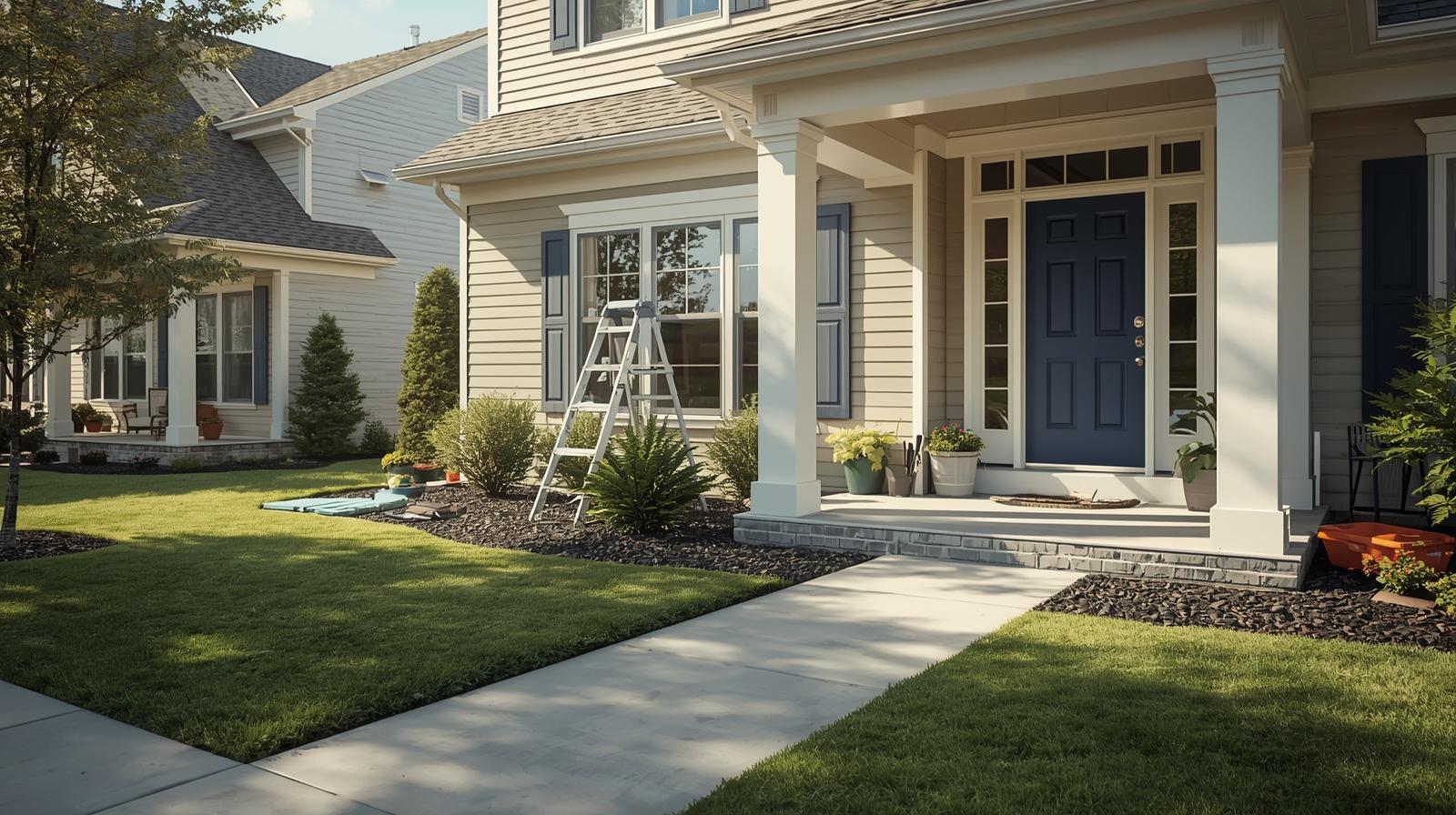
If you’re thinking about selling your home, it’s natural to wonder: Should I renovate before listing?
Many homeowners assume major renovations will dramatically increase their home’s value. But the truth is, not every improvement delivers a strong return on investment (ROI). In fact, some upgrades cost far more than they add to the sale price.
The key is knowing which improvements help your home sell faster and for more money — and which ones are often a waste of money before listing.
As a Realtor serving Winchester, VA, the Shenandoah Valley, and the Eastern Panhandle of West Virginia, I often guide sellers through this exact decision so they can maximize their sale price without overspending.
Let’s break down the best renovations for ROI before listing, and the projects that usually don’t make financial sense.
Renovations That Typically Deliver Strong ROI
These improvements are often worth considering because they increase buyer appeal without requiring massive investment.
1. Fresh Interior Paint
One of the most affordable improvements with the biggest impact is a fresh coat of neutral paint.
Neutral tones make rooms feel:
-
Larger
-
Brighter
-
Move-in ready
Buyers want to imagine themselves in the home, and bold or personalized colors can make that difficult.
Best choices:
Soft whites, ecru or beige tones, or a pale taupe. Trends are veering away from gray tones, and into more neutral, earth tone hues.
2. Updating Light Fixtures
Outdated lighting can instantly date a home.
Replacing old fixtures with simple, modern designs is relatively inexpensive and makes a surprising difference.
Focus on updating:
-
Entryway fixtures
-
Dining room lighting
-
Bathroom lights
-
Kitchen pendants
This quick upgrade helps create a clean, updated aesthetic buyers love.
3. Kitchen Refresh (Not Full Remodel)
The kitchen is one of the most important spaces to buyers—but a full remodel rarely pays off before selling.
Instead, consider smaller updates that refresh the space without major expense, such as:
-
Painting cabinets
-
Replacing cabinet hardware
-
Installing a new faucet
-
Updating light fixtures
-
Adding a modern backsplash
These changes can dramatically improve the feel of the kitchen without the price tag of a full renovation.
4. Bathroom Cosmetic Updates
Bathrooms don’t need to be brand new to impress buyers. Often, cosmetic improvements are enough.
High-impact updates include:
-
Replacing outdated mirrors
-
New vanity lighting
-
Updated faucets
-
Fresh caulking and grout
-
New towel bars or hardware
These small upgrades make bathrooms feel clean, well-maintained, and move-in ready.
5. Boosting Curb Appeal
First impressions matter tremendously when selling a home.
Buyers often decide how they feel about a property within seconds of arriving.
Simple curb appeal upgrades include:
-
Fresh mulch
-
Trimmed landscaping
-
Pressure washing siding or walkways
-
Painting the front door
-
New house numbers or mailbox
These relatively inexpensive improvements can dramatically increase perceived value.
Renovations That Are Often a Waste of Money Before Selling
Some projects simply don’t return what sellers invest in them, especially if the goal is to sell soon.
1. Full Kitchen Remodels
A full kitchen renovation can cost tens of thousands of dollars.
While buyers love updated kitchens, they rarely pay enough extra to fully recover the cost of a major remodel—especially if the style doesn’t match their taste.
A light refresh is almost always the smarter move.
2. Luxury Bathroom Renovations
High-end bathrooms with spa tubs, heated floors, or luxury tile look amazing—but buyers often see these as personal preference upgrades.
Spending $30,000+ on a bathroom renovation rarely translates into a matching price increase.
3. Installing New Flooring Everywhere
If flooring is severely damaged, replacement may be necessary.
But replacing perfectly functional flooring throughout the entire home can be an unnecessary expense.
Sometimes professional cleaning, minor repairs, or refinishing hardwood floors provides a better ROI.
4. Major Landscaping Projects
Beautiful landscaping is nice, but elaborate outdoor upgrades like:
-
Water features
-
Outdoor kitchens
-
Large retaining walls
-
Extensive garden redesigns
rarely produce strong financial returns before selling.
Simple landscaping maintenance typically works just as well.
5. Highly Personalized Improvements
Highly customized features often limit buyer appeal.
Examples include:
-
Bold accent walls
-
Specialty built-ins
-
Unique tile patterns
-
Overly themed rooms
Remember, the goal is to make the home appeal to the widest possible audience.
The Smartest Investment Before Listing: Strategy
The biggest mistake sellers make is renovating without guidance.
Before investing money into upgrades, it’s wise to speak with a real estate professional who understands:
-
What buyers expect in your local market
-
Which updates increase value
-
Which projects are unnecessary
In many cases, strategic preparation, professional staging, and proper pricing can deliver far better results than major renovations.
Thinking About Selling?
If you’re considering selling your home in Winchester, the Shenandoah Valley, or the Eastern Panhandle of West Virginia, I’d be happy to help you determine which improvements will actually maximize your return.
Sometimes the smartest move isn’t spending more money—it’s making the right improvements and avoiding the wrong ones.
Renting vs. Buying a Home in Winchester, VA & the Shenandoah Valley: Which Is the Smarter Move?

If you’ve been wondering whether you should continue renting or take the leap into homeownership, you’re not alone.
Across Winchester, Frederick County, and the Eastern Panhandle of West Virginia, many renters are asking the same question:
Is buying really worth it right now?
The short answer?
For most people planning to stay in the area long term — yes. Absolutely.
But let’s break it down honestly.
The Real Difference: You’re Paying Either Way
When you rent, you’re paying:
-
Your landlord’s mortgage
-
Your landlord’s taxes
-
Your landlord’s insurance
-
Your landlord’s profit
When you buy, you’re paying:
-
Your own mortgage
-
Your own equity
-
Your own future
The biggest difference?
Ownership builds wealth. Renting builds someone else’s wealth.
The Financial Power of Buying
1. Equity = Forced Savings
Every mortgage payment you make builds equity over time. Instead of money disappearing each month, it turns into ownership.
In markets like Winchester and surrounding Shenandoah Valley communities, long-term homeowners have historically benefited from appreciation and equity growth.
2. Stable Payments vs. Rising Rent
Rent prices can increase annually.
With a fixed-rate mortgage, your principal and interest payment stays the same for 15 or 30 years. That kind of stability is powerful for long-term budgeting.
3. Appreciation Over Time
Real estate has consistently proven to be one of the strongest long-term wealth-building tools in America.
Even modest appreciation over 5–10 years can create significant financial growth compared to renting with no return.
4. Tax Advantages
Homeowners may benefit from:
-
Mortgage interest deductions
-
Property tax deductions
(Always consult your tax professional, but these advantages can be meaningful.)
5. Freedom & Control
When you own:
-
You can renovate.
-
You can paint.
-
You can build equity through improvements.
-
You are not at risk of lease non-renewal.
There’s emotional security in knowing the home is yours.
When Renting Does Make Sense
I always believe in honest guidance.
Renting can be the right choice if:
-
You plan to relocate within 1–2 years
-
You are actively repairing credit and not loan-ready
-
You have unstable employment
-
You need maximum flexibility
In these cases, renting can be a strategic stepping stone — not a failure.
The Hidden Cost of Waiting
One of the biggest risks I see locally is this:
Renters wait for “the perfect time” — and during that time:
-
Home values rise
-
Rents increase
-
Interest rates fluctuate
-
Down payment requirements change
Meanwhile, another year passes without building equity.
Buying doesn’t have to be perfect.
It just has to be strategic.
What About Maintenance?
Yes — homeowners are responsible for repairs.
But here’s the perspective shift:
When you replace a roof on a home you own, you’re protecting your asset.
When your landlord replaces a roof on a rental, you still own nothing.
Ownership comes with responsibility — but also reward.
The Emotional Side of Ownership
Beyond the financial math, homeownership provides:
-
Stability
-
Pride of ownership
-
Community roots
-
Freedom to design your space
-
Long-term security
In communities like Winchester, Stephens City, Front Royal, and across the Eastern Panhandle, buying often means becoming part of a neighborhood — not just occupying space.
The Big Question: Is Now the Right Time for You?
Buying isn’t about headlines.
It’s about your goals.
If you:
-
Plan to stay 3+ years
-
Have stable income
-
Can qualify for financing
-
Want to build long-term wealth
Then buying deserves serious consideration.
And if you’re unsure? That’s exactly where a strategic consultation comes in.
Final Thoughts
Renting is not “wrong.”
But for most people planning to stay in the Winchester or Shenandoah Valley area, buying is one of the most powerful financial moves available.
Real estate remains one of the few assets you can:
-
Live in
-
Improve
-
Leverage
-
Sell
-
Pass down
And that’s hard to beat.
If you’re currently renting and wondering whether it’s time to explore your options, I’d be happy to walk through numbers with you — no pressure, just clarity.
Because the goal isn’t just to buy a house.
It’s to build a future.
Top Tips for Getting Your Home Ready for an Open House
An open house is more than just a few hours on a Sunday afternoon — it’s a powerful marketing opportunity. When done right, it creates urgency, increases exposure, and helps buyers emotionally connect with your home.
As a seller in today’s Shenandoah Valley and Eastern Panhandle markets, preparation matters. The right strategy can mean stronger offers, better terms, and less time on market.
Here are the top tips to get your home open-house ready and positioned to impress.
1. Start With a Deep Clean (And Then Go Deeper)
Buyers notice everything.
Before an open house:
-
Scrub baseboards and trim
-
Clean windows inside and out
-
Dust ceiling fans and light fixtures
-
Wipe cabinets and door frames
-
Eliminate pet odors
Your goal? Make your home feel fresh, bright, and meticulously maintained.
If it’s in the budget, a professional deep clean can be a worthwhile investment.
2. Declutter & Depersonalize
Buyers need to picture their life in the home — not yours.
Remove:
-
Excess furniture
-
Family photos
-
Personal collections
-
Countertop clutter
-
Refrigerator magnets and paperwork
Think model-home vibes: neutral, spacious, inviting.
Pro Tip: Rent a small storage unit if needed. Less really is more.
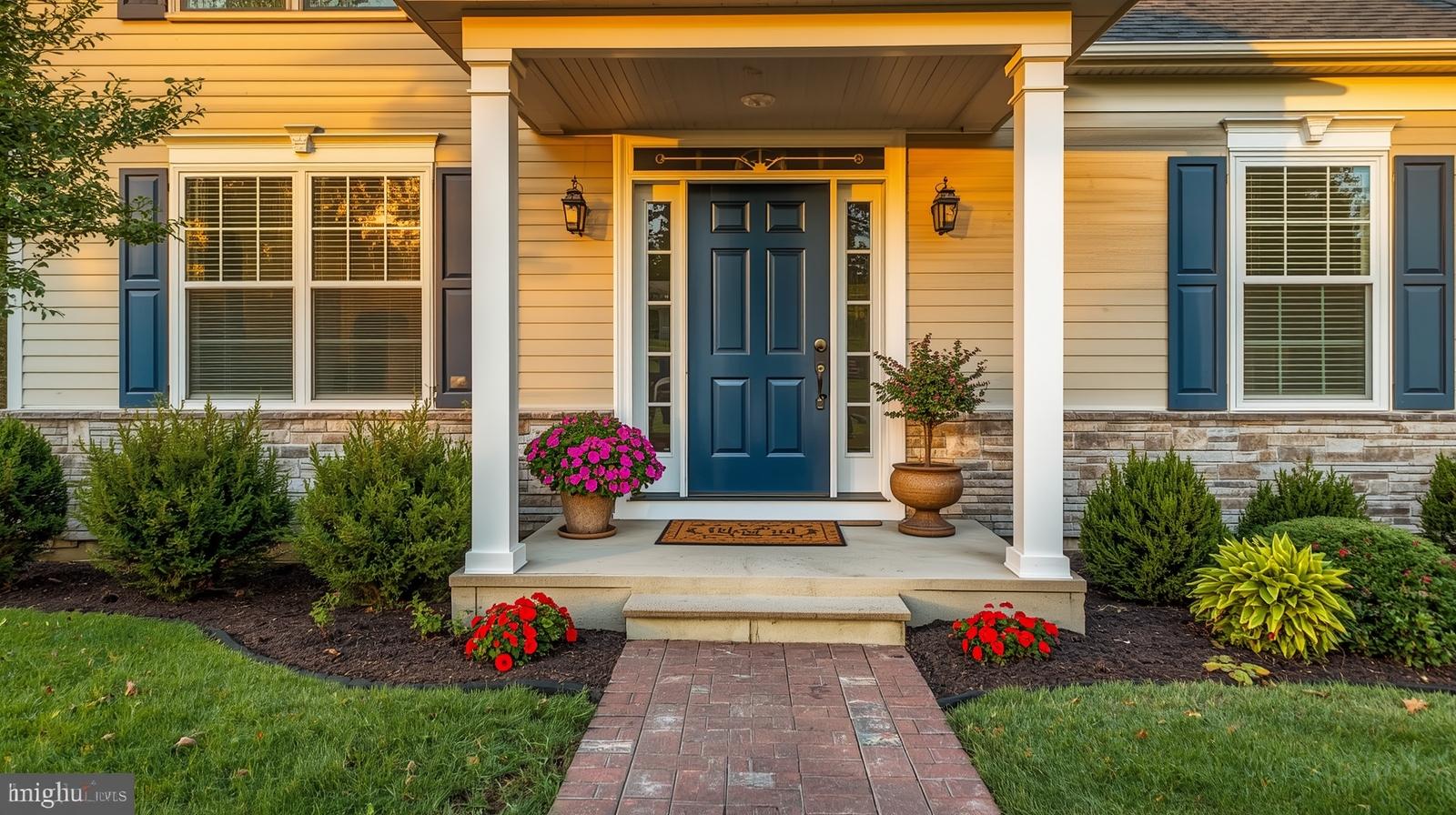
3. Boost Curb Appeal
First impressions happen before buyers ever step inside.


Focus on:
-
Fresh mulch and trimmed landscaping
-
A swept porch and clean walkway
-
A freshly painted front door (navy is timeless 😉)
-
Pressure-washed siding and driveway
In competitive markets like Winchester, Front Royal, Berkeley County, and surrounding areas, curb appeal can immediately elevate perceived value.
4. Let the Light In
Natural light sells homes.
-
Open all blinds and curtains
-
Replace burnt-out bulbs
-
Use consistent warm light bulbs throughout
-
Add lamps to darker corners
Bright homes feel larger, cleaner, and more welcoming.
5. Make Small Repairs
Minor flaws can distract buyers and suggest bigger issues.
Before your open house:
-
Tighten loose door handles
-
Fix dripping faucets
-
Patch nail holes
-
Touch up paint
-
Repair squeaky hinges
Small improvements signal a well-maintained property.
6. Stage With Intention
Staging doesn’t have to mean renting furniture. It means strategic placement.


Focus on:
-
Neutral throw pillows and blankets
-
Fresh flowers or greenery
-
A lightly set dining table
-
Crisp white bedding in bedrooms
The goal is warmth without clutter.
7. Create a Subtle Sensory Experience
Smell matters — but don’t overdo it.
-
Avoid heavy candles or plug-ins
-
Skip strong cooking smells
-
Consider lightly scented linen spray or fresh air
Soft background music can also enhance atmosphere during the open house.
8. Secure Valuables & Medications
Open houses bring strangers into your home. Take precautions.
-
Remove jewelry, cash and anything of value
-
Store medications
-
Secure firearms
-
Lock up sensitive documents and belongings
A professional Realtor will monitor traffic — but preparation adds peace of mind.
9. Step Out During the Open House
This is one of the hardest — but most important — steps.
Buyers speak more freely without sellers present. That honest feedback helps your agent gauge interest and negotiate effectively.
Trust the process.
10. Work With a Strategy — Not Just a Date on the Calendar
An open house should be part of a larger marketing plan that includes:
-
Professional photography
-
Digital advertising
-
MLS exposure
-
Social media marketing
-
Local agent outreach
An experienced Realtor doesn’t just “host a Sunday event.” They position your home to attract the right buyers and create momentum.
Final Thoughts
Preparing for an open house isn’t about perfection — it’s about presentation.
When your home feels clean, bright, neutral, and welcoming, buyers can envision their future there. That emotional connection is what turns interest into offers.
If you’re considering selling in Winchester, Frederick County, Front Royal, or the Eastern Panhandle of West Virginia, I’d love to help you build a customized open-house strategy that maximizes exposure and protects your equity.
Because getting ready is just the beginning — positioning is everything.
Top Questions Sellers Ask When Interviewing a Realtor (And the Answers You Should Expect)

If you’re thinking about selling your home in Winchester, Frederick County, the Shenandoah Valley, or the Eastern Panhandle of West Virginia, choosing the right Realtor is one of the most important decisions you’ll make.
Interviewing agents isn’t just smart — it’s strategic.
But many sellers aren’t sure what to ask… or what the right answers should sound like.
Here are the top questions sellers ask when interviewing a Realtor — and what you should expect to hear from a true professional.
1. How Do You Determine the Listing Price?
The right answer should include:
-
A detailed Comparative Market Analysis (CMA)
-
Hyper-local market data (not just Zillow estimates)
-
Current competition
-
Pending sales
-
Absorption rate and buyer demand
Pricing is both data-driven and strategic.
Overpricing can cause a home to sit. Underpricing leaves money on the table.
You want an agent who can explain why they recommend a number — not just one who tells you what you want to hear.
2. What Is Your Marketing Plan?
A strong listing agent should offer:
-
Professional photography
-
Strategic MLS placement
-
Social media marketing
-
Email marketing
-
Database promotion
-
SEO-optimized online exposure
-
Open house strategy (when appropriate)
-
Broker networking
In today’s market, simply putting a sign in the yard is not enough.
Your home should have a clear, strategic marketing rollout plan.
3. How Will You Prepare My Home to Sell?
Expect guidance on:
-
Staging recommendations
-
Decluttering strategies
-
Minor repair suggestions
-
Pre-listing inspection considerations
-
Professional cleaning
-
Curb appeal improvements
The best agents help you position your home as a product — because that’s what it becomes once it hits the market.
4. What Is Your Experience in My Area?
Real estate is hyper-local.
An agent who understands:
-
Winchester City vs Frederick County
-
HOA vs non-HOA communities
-
Well & septic properties
-
Acreage sales
-
Cross-state transactions (VA & WV)
… will be better equipped to protect your interests.
Local knowledge matters.
5. How Will You Communicate With Me?
You should clearly understand:
-
How often you’ll receive updates
-
Preferred communication methods (call, text, email)
-
Feedback from showings
-
Market updates
-
Offer review process
Clear communication reduces stress and increases confidence.
6. What Happens If My Home Doesn’t Sell?
A confident Realtor should discuss:
-
Pricing adjustments
-
Marketing adjustments
-
Showing feedback analysis
-
Timeline strategy
Avoid agents who promise unrealistic timelines without discussing contingency plans.
7. What Are Your Fees and What Do They Cover?
Commission should never be the only deciding factor.
Ask:
-
What services are included?
-
Is professional photography covered?
-
Is staging consultation included?
-
Are there additional fees?
A full-service agent should clearly explain value — not just cost.
8. How Do You Negotiate Offers?
Selling isn’t just about getting an offer.
It’s about:
-
Terms
-
Financing strength
-
Appraisal risk
-
Inspection negotiations
-
Timeline coordination
-
Contingencies
Strong negotiation can mean thousands of dollars difference in your net proceeds.
9. Can You Provide Reviews or References?
A reputable agent should confidently share:
-
Google reviews
-
Testimonials
-
Client success stories
Past performance often predicts future results.
10. Why Should I Hire You?
This is where integrity matters most.
The best answer isn’t ego-driven.
It should reflect:
-
Protection of your equity
-
Strategic planning
-
Education and transparency
-
Honest guidance (even when it’s hard)
-
Local expertise
-
Strong negotiation
You don’t want a “yes” agent.
You want an advocate.
Final Thoughts
Interviewing Realtors isn’t about finding someone who agrees with you.
It’s about finding someone who:
-
Protects your financial interests
-
Understands your local market
-
Communicates clearly
-
Markets strategically
-
Negotiates confidently
-
Operates with integrity
Selling your home is likely one of your largest financial transactions.
Choose the professional who treats it that way.
If you’re considering selling in Winchester, the Shenandoah Valley, or the Eastern Panhandle of WV, I’m always happy to walk you through what a strategic listing plan looks like.
10 Things to Consider When Buying a Home

Buying a home is one of the biggest financial and emotional decisions you’ll ever make. It’s exciting, it’s personal, and it’s also strategic. The right home isn’t just about granite countertops and curb appeal — it’s about making a smart investment that supports your lifestyle, financial goals, and long-term plans.
Here are 10 important things to consider before you fall in love with a house.
1. Your Budget (Not Just the Price)
The purchase price is only part of the equation. Consider:
-
Property taxes
-
Homeowners insurance
-
HOA dues (if applicable)
-
Utilities
-
Maintenance and repairs
A home should support your life — not strain it. Getting pre-approved before shopping gives you clarity and confidence.
2. Location — The One Thing You Can’t Change
You can renovate kitchens. You can update flooring.
You cannot move the house.
Think about:
-
Commute times
-
School districts
-
Future development
-
Neighborhood vibe
-
Proximity to shopping, dining, and healthcare
In Winchester, Frederick County, and the Eastern Panhandle of WV, location can also affect taxes, zoning, and future resale value.
3. Long-Term Plans
Are you planning to stay 2 years or 10?
Is this a starter home, an investment property, or your forever home?
Your timeline matters when evaluating layout, size, and potential appreciation.
4. Condition of the Home
Cosmetic updates are easy. Structural issues are not.
Pay attention to:
-
Roof age
-
HVAC systems
-
Foundation condition
-
Plumbing and electrical
-
Well and septic systems (common in rural VA & WV)
A thorough home inspection is critical.
5. Resale Potential
Even if you plan to stay long-term, life happens.
Ask yourself:
-
Is the layout functional?
-
Is it in a desirable area?
-
Does it have broad buyer appeal?
Buying smart now protects you later.
6. HOA vs. No HOA
HOAs can offer convenience and amenities — but also restrictions and fees.
Make sure you understand:
-
Monthly dues
-
Rules and regulations
-
What’s included
-
Enforcement policies
7. Property Type
Single-family? Townhouse? Condo? Acreage?
Each comes with different maintenance responsibilities, financing nuances, and resale dynamics. The right choice depends on your lifestyle and goals.
8. Future Expenses
Are renovations needed?
Will you want to finish the basement?
Does the home need appliances or fencing?
It’s important to factor in improvements beyond closing day.
9. Loan Type & Financing Strategy
Different loan programs (VA, FHA, USDA, Conventional) have different property requirements and down payment structures.
Your loan type can influence:
-
Which homes qualify
-
Your offer strength
-
Required repairs
-
Monthly payment
Understanding your financing strategy helps narrow your search wisely.
10. Representation & Guidance
The right real estate professional doesn’t just unlock doors.
They:
-
Protect your interests
-
Analyze value
-
Negotiate strategically
-
Educate you on risks
-
Help you make confident decisions
You don’t want a “yes” agent. You want someone who informs, advises, and protects your investment.
Final Thoughts
Buying a home is both emotional and strategic. When you approach it with education, preparation, and strong representation, it becomes empowering instead of overwhelming.
If you’re considering buying in Winchester, the Shenandoah Valley, or the Eastern Panhandle of West Virginia, I’d love to help you evaluate your options and build a smart plan.
Because a home should support your goals — not just your Pinterest board.
10 Things to Consider When Selling Your Home
Selling your home is one of the largest financial transactions you’ll ever make. It’s emotional. It’s strategic. And when handled correctly, it can be incredibly rewarding.
As a Realtor serving Winchester, the Shenandoah Valley, and the Eastern Panhandle of WV, I always tell sellers this:
The market doesn’t determine your success alone — preparation and strategy do. Be proactive, not reactive!
Here are 10 important things to consider before putting that “For Sale” sign in the yard.
1. Pricing Strategy Matters More Than You Think
Overpricing is one of the most common (and costly) mistakes sellers make.
The first 7–14 days on the market are critical. That’s when your listing receives the most exposure. If you price too high “just to see what happens,” you risk sitting — and sitting leads to price reductions.
Strategic pricing attracts:
-
More showings
-
More interest
-
Potential multiple offers
-
Stronger negotiating power
The goal isn’t to test the market — it’s to position your home correctly from day one.
2. First Impressions Start Before Buyers Walk Inside
Curb appeal is powerful. Buyers begin forming opinions the moment they pull into the driveway.
Consider:
-
Fresh mulch
-
Trimmed landscaping
-
Power washing siding
-
A freshly painted front door
-
Clean windows
A well-maintained exterior signals that the home has been cared for.
3. Decluttering is Non-Negotiable
Buyers aren’t just purchasing your house — they’re envisioning their future.
Too much furniture, personal photos, or clutter makes rooms feel smaller and distracts from the space itself. Clean, open, and neutral wins every time.
If needed, short-term storage is often worth the investment.
4. Condition Impacts Your Bottom Line
Small deferred maintenance can cost you big during negotiations.
Before listing, consider:
-
Fixing leaky faucets
-
Replacing burned-out bulbs
-
Touching up paint
-
Addressing obvious repair issues
Buyers notice everything. The fewer red flags they see, the stronger your position.
5. Professional Photography is Essential
Over 95% of buyers start their search online.
Dark, poorly angled cell phone photos will cost you showings. Professional, well-lit photography highlights your home’s best features and maximizes online engagement.
Your online presence determines your in-person traffic.
6. Timing Can Influence Results
Market conditions shift throughout the year.
While homes sell year-round in Winchester and surrounding areas, spring and early summer often bring increased buyer activity. However, less competition in fall or winter can also work in your favor.
The “best” time is less about the calendar and more about:
-
Your goals
-
Inventory levels
-
Interest rates
-
Local demand
7. Inspections Can Change Everything
Even well-maintained homes may have inspection findings.
Consider:
-
A pre-listing inspection to get ahead of issues
-
Understanding that no home is perfect
-
Preparing for negotiation
Being proactive often prevents surprises and strengthens buyer confidence.
8. Showings Require Flexibility
The easier it is to show your home, the more buyers you’ll attract.
Restrictive showing windows limit exposure. While it can be inconvenient, flexibility typically leads to better results.
9. Not All Offers Are Equal
The highest offer is not always the best offer.
Look at:
-
Financing type
-
Contingencies
-
Closing timeline
-
Earnest money deposit
-
Buyer strength
A slightly lower, cleaner offer can often be safer and smoother.
10. The Right Agent Protects Your Interests
Selling a home is not just about marketing — it’s about negotiation, risk management, and guidance.
You don’t want a “yes” person.
You want someone who:
-
Tells you the truth
-
Protects your equity
-
Knows how to navigate inspection negotiations
-
Understands local market trends
-
Communicates clearly and consistently
Integrity and education matter.
A strong listing strategy, honest pricing advice, and proactive communication are what protect your bottom line — not just putting a sign in the yard.
Final Thoughts
Selling your home is both financial and emotional. With the right preparation and professional guidance, it can also be empowering.
If you’re even thinking about selling in Winchester, Frederick County, or the Eastern Panhandle of West Virginia, let’s talk strategy before you make any decisions.
Preparation is power.
How to Find the Right Real Estate Agent (And Why It Matters More Than You Think)

Buying or selling a home is one of the biggest financial decisions most people will ever make. Yet many consumers choose a real estate agent based on convenience, familiarity, or the promise of a quick win. While it may feel easier to work with someone who always agrees with you or “just gets it done,” the right agent should do much more than say yes.
The best real estate agent isn’t there to simply sell your home or unlock doors—they are there to protect your interests, educate you, and guide you through complex decisions with integrity.
Here’s how to find the right one.
You Don’t Want a “Yes” Agent
It can feel good to hear an agent agree with your price, your timeline, or your expectations. But an agent who never challenges you isn’t serving you—they’re selling to you.
A strong agent will:
-
Tell you when your price is too high (and explain why)
-
Advise against risky decisions, even if it delays a sale
-
Set realistic expectations instead of overpromising
Honest guidance may feel uncomfortable in the moment, but it protects you from costly mistakes down the road.
Advocate vs. Salesperson: Know the Difference
There’s a big difference between an agent whose goal is closing a deal and one whose goal is doing what’s right for you.
An advocate-focused agent:
-
Prioritizes your financial and legal interests
-
Negotiates strategically, not emotionally
-
Is willing to walk away from a bad deal
-
Protects you during inspections, appraisals, and contract negotiations
If an agent seems more concerned with speed than strategy, that’s a red flag.
Integrity Should Be Non-Negotiable
Real estate involves contracts, deadlines, disclosures, and significant money. Integrity isn’t optional—it’s essential.
Look for an agent who:
-
Communicates clearly and transparently
-
Explains risks instead of minimizing them
-
Follows ethical standards even when no one is watching
-
Represents facts accurately, not conveniently
Trust is built through consistency, not charm.
Education Is Power in Real Estate
A great agent doesn’t keep you in the dark to maintain control. They empower you with information.
The right agent will:
-
Explain the why behind recommendations
-
Educate you on market conditions, not just market hype
-
Help you understand contracts, contingencies, and timelines
-
Answer questions thoroughly without making you feel rushed or uninformed
An educated client makes better decisions—and good agents want that.
Local Knowledge and Experience Matter
Real estate is hyper-local. Market trends, pricing strategies, zoning rules, and buyer behavior can vary drastically from one area to another.
Ask your agent:
-
How well they know your specific market
-
What challenges commonly arise in your area
-
How they handle unique property features or situations
Experience paired with local knowledge can save you time, money, and stress.
Communication Style Counts
You should never feel like you’re chasing your agent for answers.
The right fit means:
-
Clear communication expectations
-
Responsiveness you can rely on
-
A style that matches your needs—whether hands-on or big-picture
You deserve an agent who respects your time and keeps you informed.
The Right Agent Protects the Process—Not Just the Outcome
Real estate success isn’t just about the final number. It’s about how you get there.
The right agent will:
-
Safeguard the transaction from start to finish
-
Anticipate problems before they become deal-breakers
-
Stay steady under pressure
-
Advocate for your best interest at every stage
Because a smooth, ethical process matters just as much as the end result.
Final Thoughts
Choosing the right real estate agent isn’t about finding someone who agrees with everything you say—it’s about finding someone who respects your goals enough to guide you honestly.
Look for integrity. Demand education. Choose advocacy over salesmanship.
Your future self will thank you.
Top Things Buyers Should Avoid During the Contract Period to Secure Their Loan

Once your offer is accepted, it can feel like the hard part is over—but for buyers using financing, the contract period is actually one of the most sensitive phases of the transaction.
Even well-intentioned decisions can cause serious problems with loan approval, delays, or even denial. The goal during this time is simple: keep your financial picture as stable as possible until after closing.
Here are the most important things buyers should avoid during the contract period to help ensure a smooth path to the closing table.
1. Opening New Credit Cards or Lines of Credit
This is one of the most common—and costly—mistakes buyers make.
Opening new credit accounts can:
-
Lower your credit score due to hard inquiries
-
Increase your debt-to-income (DTI) ratio
-
Trigger additional lender documentation or re-approval
Even store cards, “no interest” financing, or credit offers tied to furniture and appliances can cause issues. If it requires a credit check, it’s best to wait.
2. Making Large Purchases
Big purchases can dramatically change how your loan looks on paper.
Avoid:
-
Buying cars, motorcycles, boats, or RVs
-
Financing furniture or appliances
-
Putting large charges on existing credit cards
Even if you plan to pay cash, lenders may still question the withdrawal of funds or require sourcing documentation. Always talk to your lender before spending large sums.
3. Switching Jobs or Changing Employment Status
Employment stability is critical to loan approval.
Red flags include:
-
Changing employers during the contract period
-
Switching from salaried to commission-based or self-employed work
-
Reducing hours or moving from full-time to part-time
Even a raise or “better opportunity” can delay or derail a loan if it changes how income is calculated.
4. Depositing Large or Unverifiable Cash Amounts
Lenders must verify where your funds come from to comply with lending regulations.
Avoid:
-
Cash deposits without documentation
-
Transfers between accounts without clear paper trails
-
Gifts that are not properly documented
If family is helping, your lender will need a gift letter and proof of transfer—never assume it’s okay without asking first.
5. Closing or Paying Off Accounts Without Guidance
It may seem smart to close unused accounts or pay off loans, but this can backfire.
Potential consequences:
-
Reduced credit history length
-
Credit score fluctuations
-
Changes to DTI calculations
Always consult your lender before making changes to existing accounts—even if your intention is to improve your profile.
6. Missing or Late Payments
This one is simple but critical: do not miss any payments.
Late payments on:
-
Credit cards
-
Student loans
-
Auto loans
-
Personal loans
can immediately impact your credit score and raise red flags during final loan review.
7. Applying for New Loans or Financing of Any Kind
Personal loans, buy-now-pay-later programs, and deferred payment plans all count as new debt.
Even if payments don’t start right away, lenders still factor these obligations into your loan approval.
8. Making Major Lifestyle Changes
Life happens—but big financial shifts can complicate underwriting.
Examples include:
-
Taking extended unpaid leave
-
Starting a new business
-
Co-signing a loan for someone else
If it affects income, assets, or liabilities, it needs lender approval first.
9. Ignoring Lender Requests or Delaying Documentation
Time matters during the contract period.
Delays in providing:
-
Bank statements
-
Pay stubs
-
Explanations of deposits or credit events
can push closing dates or jeopardize contract timelines. Quick responses keep everything moving smoothly.
10. Assuming “It’s Fine” Without Asking
The most important rule of all: never assume.
If you’re unsure whether something could affect your loan, ask your lender or Realtor first. A quick question can prevent major setbacks.
Final Thoughts
The contract period isn’t the time to optimize your finances—it’s the time to preserve stability. By keeping your credit, income, and assets consistent, you give your lender exactly what they need to get you to the closing table without surprises.
A strong team—lender and Realtor working together—helps guide you through this phase and protect your purchase from avoidable issues.