Facebook
 X
X
 Pinterest
 Copy Link
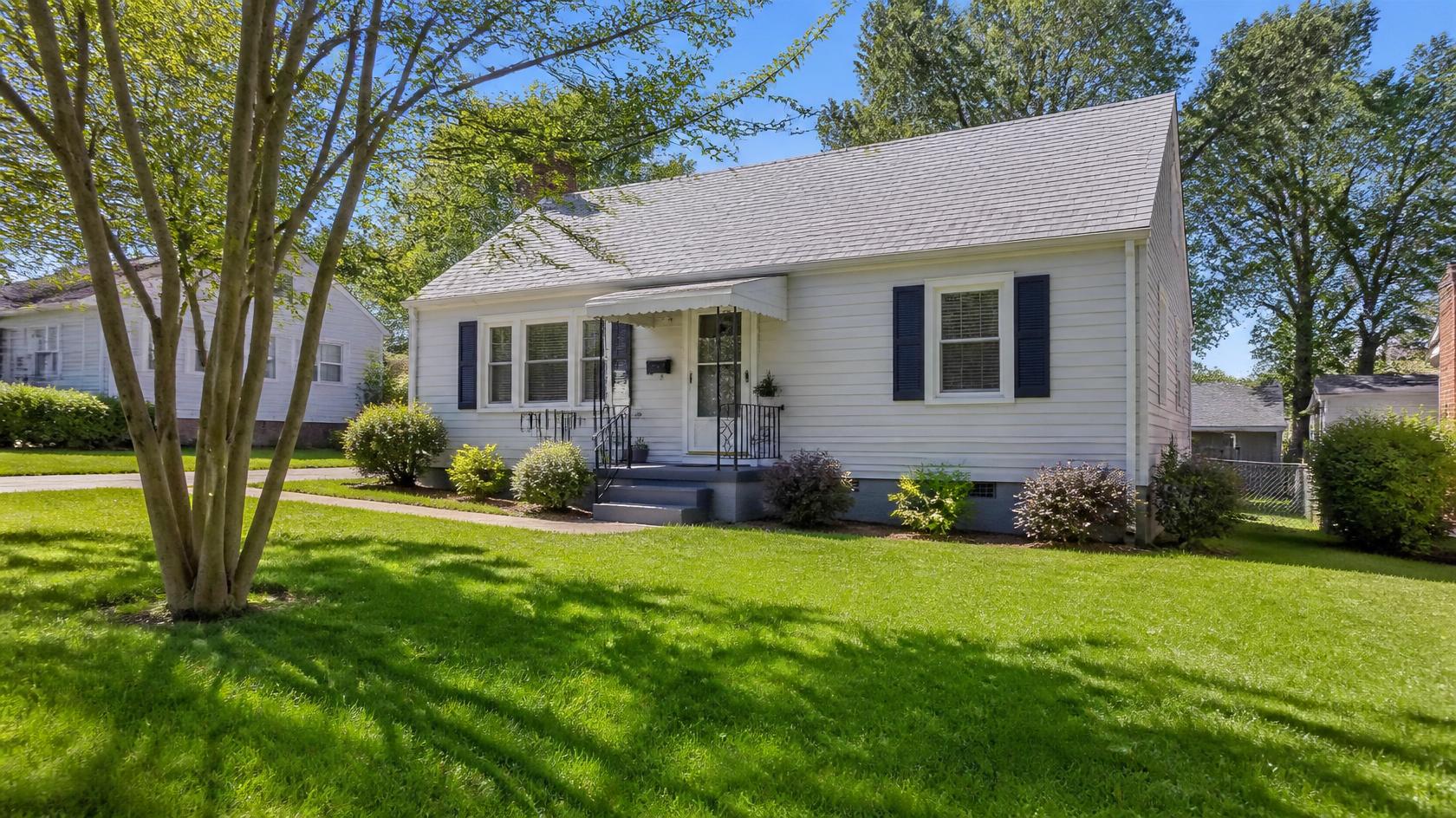
“Should I buy now, or should I wait?”
It may be one of the most common questions buyers ask—and unfortunately, it is also one of the questions most likely to receive an oversimplified answer.
Wait until mortgage rates fall.
Buy before prices go higher.
Wait for the market to change.
Buy before everyone else jumps back in.
There is always going to be someone confidently predicting what buyers should do next. But buying a home is far too personal—and far too significant a financial decision—to base it entirely on a market prediction.
The better question is not simply “Is now a good time to buy?”
It is:
“Is now a good time for you to buy?”
Those are two very different questions.
Waiting Can Be the Right Decision
I am a real estate agent, and I will absolutely tell someone when I think waiting makes sense.
Buying a home should not happen simply because you technically qualify for a mortgage.
You may benefit from waiting if you need time to improve your credit, strengthen your savings, reduce debt, establish more stable income, or simply figure out where you want to be for the next several years.
You may also realize after looking at the numbers that buying would leave you without enough financial breathing room.
That matters.
As I discussed in How Much Home Can You Actually Afford vs. What You Should Spend, purchasing power is not necessarily about spending everything a lender says you can spend. It is about understanding the options available to you and choosing the one that supports the life you actually want to live.
Sometimes the smartest option is buying.
Sometimes it is waiting.
The important part is understanding why you are making that decision.
But Waiting for the “Perfect Market” Is Different
There is another kind of waiting I see frequently.
A buyer is financially prepared. Their employment is stable. They have savings. Their monthly budget works. They know where they want to live.
But they keep waiting because they believe something better is just around the corner.
Maybe mortgage rates will fall.
Maybe home prices will drop.
Maybe inventory will increase.
Maybe competition will disappear.
Any of those things could happen.
The problem is that housing markets rarely change one variable at a time.
Mortgage rates could fall while buyer competition increases.
Inventory could improve while prices continue appreciating.
A lower interest rate could bring buyers who have been sitting on the sidelines back into the market at exactly the same time.
Trying to predict one number without considering everything else affecting the housing market can create a false sense of certainty.
The Cost of Waiting Is Not Just About Mortgage Rates
Mortgage rates understandably receive a tremendous amount of attention because they directly affect monthly payments and purchasing power.
But your interest rate is only one part of the equation.
Home prices matter, too.
Imagine that you are comfortable purchasing a certain type of home today but decide to wait solely because you hope rates will improve.
If home values appreciate during that time, the same house may cost more when you return to the market.
That creates an important distinction:
Waiting until you are ready can be a smart financial strategy. Waiting after you are ready because you are hoping to perfectly time the market can carry its own financial risk.
What fits comfortably within your budget today may not necessarily fit the same way a year or two from now.
And unlike rent, which can increase at renewal, a fixed-rate mortgage provides considerably more predictability in the principal-and-interest portion of your housing payment. Property taxes, insurance, HOA fees and other housing expenses can certainly change, but the basic mortgage payment on a fixed-rate loan does not rise simply because housing costs around you do.
That long-term stability is one of the reasons I often describe homeownership as living in a savings account.
You need somewhere to live either way. When you own, part of your housing payment can gradually build equity in an asset you own.
You Do Not Have to Start With the Forever Home
Another reason buyers sometimes wait is because the home they ultimately envision feels out of reach today.
That does not necessarily mean homeownership itself is out of reach.
I am a big believer in stepping-stone properties.
Your first home does not have to be the home you live in forever. A townhouse, condo, smaller home, different neighborhood, or property that needs some cosmetic updating may give you an opportunity to enter the market, begin building equity and create more options for your next move.
This is closely connected to the strategy behind The Best House Might Be the One Everyone Else Missed.
The goal is not always to compete for the most obvious house.
Sometimes the better opportunity comes from looking differently at the homes already available and figuring out which properties actually accomplish your goals.
Buying Is About More Than Today’s Market
There is another piece of the conversation that gets lost when we focus exclusively on rates and prices:
How long do you expect to own the home?
Real estate is generally a longer-term decision.
If you buy a home and need to sell again almost immediately, transaction costs and short-term market fluctuations matter significantly.
But if you expect to own the property for years, today’s market conditions become one chapter in a much longer story.
Historically, real estate has been an important way households build wealth over time—not because home values increase every single year, but because long-term ownership creates opportunities to build equity through principal reduction and potential appreciation.
That is why the decision deserves more context than simply asking whether today’s mortgage rate is higher or lower than it was a few years ago.
What Happens If Rates Fall After You Buy?
This is another concern I hear from buyers:
“What if I buy now and rates drop?”
It is a fair question.
Depending on your loan, financial situation and future market conditions, refinancing may eventually be an option if rates decline enough to make the costs worthwhile.
What you generally cannot do is go backward and purchase today’s house at today’s price after values have increased.
That does not mean buyers should rush into purchasing because they are afraid of being priced out.
Fear is not a strategy.
It simply means both sides of the decision deserve consideration.
There is potential cost associated with buying before you are ready.
There can also be potential cost associated with waiting after you are ready.
Your Purchasing Power Is Really About Options
One of my core philosophies with buyers is that purchasing power is not about how much you can spend.
It is about how many options you have.
If you are approved for more than you intend to spend, wonderful. That does not mean we need to spend it.
It means we have room to strategize.
Maybe we can look at a stronger location.
Maybe we can consider a property with features that could support you longer.
Maybe we intentionally stay well below your maximum because maintaining financial flexibility is more important to you.
Maybe we look at a stepping-stone property that allows you to start building equity without stretching your monthly budget.
Understanding the full range of your options makes it much easier to determine whether buying now—or waiting—is actually the better choice.
Don’t Let Headlines Make a Personal Financial Decision for You
Housing headlines have an impossible job.
They are trying to summarize an enormous national housing market in a sentence.
But you are not buying the national housing market.
You are buying one house, in one location, at one price, with one financing structure, based on your own finances and goals.
Here in Winchester, throughout the Shenandoah Valley, and across the Eastern Panhandle of West Virginia, conditions can vary significantly by location, price point and property type.
A national article saying buyers should wait—or rush to buy—cannot tell you whether a particular property makes sense for you.
That requires looking at the actual numbers.
So, Should You Wait to Buy?
Maybe.
And I mean that sincerely.
If buying today would strain your finances, if your life is likely to change significantly soon, if your savings need work, or if you simply are not ready for the responsibilities of homeownership, waiting may be exactly the right decision.
But if you are financially prepared, comfortable with the payment, planning to stay in the area, and have found properties that meet your needs, waiting solely because you hope the market will eventually deliver the perfect combination of lower prices and lower rates deserves a closer look.
Rather than asking:
“What is the market going to do?”
I would rather help you answer:
“What are my options right now, and how do those options compare with waiting?”
That is a question we can actually evaluate.
Frequently Asked Questions
Is it better to wait until mortgage rates go down to buy a house?
Not necessarily. Lower mortgage rates can improve affordability, but they can also bring more buyers into the market and increase competition. Home prices may also change while you wait. Your decision should consider the entire financial picture rather than mortgage rates alone.
Will home prices go down if I wait?
No one can guarantee future home prices. Real estate markets vary by location, price range and property type. Rather than relying on a prediction, look at current local conditions and determine whether today’s available homes and payments work for your situation.
What if I buy a home and mortgage rates drop later?
Depending on your loan, finances and future interest rates, refinancing may be an option. Refinancing has costs and is never guaranteed to make financial sense, so it should not be assumed when purchasing. It is simply one potential option if conditions change.
How do I know if I am financially ready to buy a house?
Financial readiness involves more than qualifying for a mortgage. Consider your savings, monthly payment comfort level, existing debt, credit, emergency reserves, expected length of ownership and other financial goals. A good lender can help establish the numbers, while a real estate agent can help translate those numbers into realistic housing options.
Should I buy a starter home instead of waiting for my dream home?
For some buyers, yes. A smaller home, townhouse, condo or other stepping-stone property can provide a way to begin building equity while working toward longer-term goals. Whether that strategy makes sense depends on your budget, expected ownership timeline and local market.
Is renting better than buying while mortgage rates are high?
It depends on your finances, lifestyle and expected timeline. Renting can offer flexibility and may be the better choice for someone who is not ready to stay in one place. Homeownership can provide greater housing-payment stability and the opportunity to build equity. I explore this decision more fully in Renting vs. Buying: What Makes Sense for You?
How long should I plan to stay in a home after buying?
There is no universal minimum because appreciation, transaction costs and individual circumstances vary. Generally, the shorter your expected ownership period, the more carefully you should evaluate the costs of buying and selling against the potential benefits of ownership.
Closing Thoughts
I do not believe every person who can buy a house should immediately buy one.
I also do not believe buyers should put their lives indefinitely on hold while trying to predict the perfect market.
My job is not to convince you that now is always the right time to buy. It is to help you understand what buying looks like for you right now—the payment, the available homes, the risks, the opportunities and the alternatives.
Then we can compare that with what waiting may accomplish.
Sometimes that conversation ends with, “Let’s start looking.”
Sometimes it ends with, “Let’s revisit this in six months.”
Either answer can be the right one.
Because the goal isn’t simply to buy a house.
The goal is to make a decision you understand, can comfortably support, and feel confident about long after the closing table.