Facebook
 X
X
 Pinterest
 Copy Link
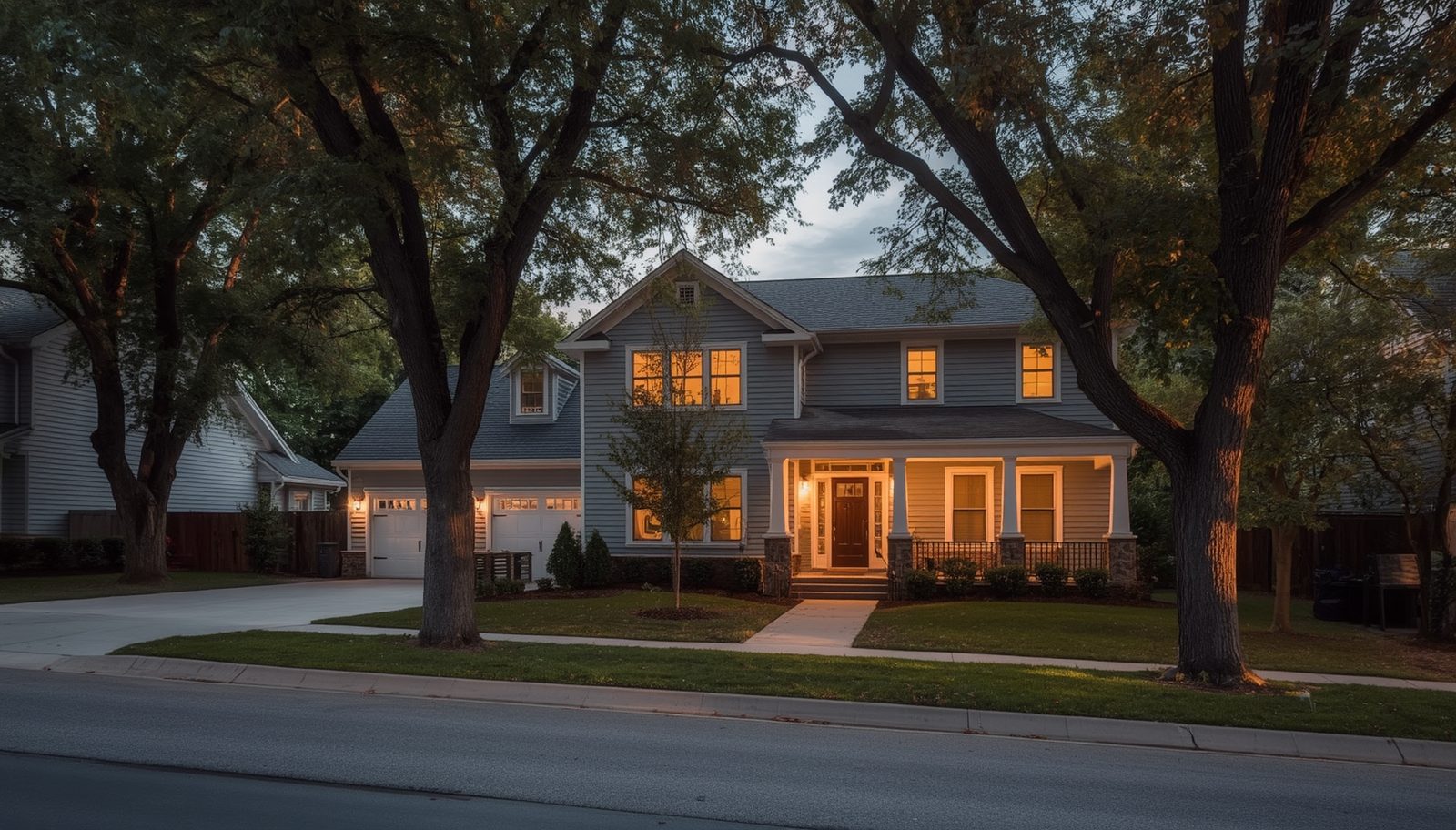
If you’ve spent any time searching for a home, you’ve probably felt it.
A new listing hits the market. Everyone rushes to see it. Showings fill up. Multiple offers start flying around. Emotions take over. Suddenly, buyers who were carefully weighing their options feel pressure to make a decision immediately.
But what if the best house for you isn’t the one attracting all the attention?
What if the best opportunity is actually the home everyone else overlooked?
As a Realtor®, I’ve seen this happen more times than I can count. In fact, some of the happiest homeowners I’ve worked with ended up purchasing homes that had been sitting on the market longer than expected.
Not because there was something wrong with them.
Not because they were a bad investment.
But because the market—and human nature—often causes buyers to focus on what everyone else is chasing rather than evaluating a property on its own merits.
Days on Market Doesn’t Tell the Whole Story
One of the first things buyers notice when browsing online is how long a property has been on the market.
A home listed for three days feels exciting.
A home listed for sixty days can feel suspicious.
The assumption is often that if nobody has purchased it yet, there must be a reason.
Sometimes that’s true.
Many times, it isn’t.
A property may have been overpriced initially and later adjusted.
The marketing may have missed the right audience.
The photos may not have showcased the home’s strengths.
The home may simply have launched during a particularly slow period of the market.
I’ve seen fantastic properties sit while less suitable homes generated bidding wars simply because they were new to the market.
Days on Market is a piece of information. It is not the entire story.
Buyer Psychology Is Powerful
In my blog, The Psychology of Homebuying: How Buyer Perception Shapes Every Showing, we discussed how emotions influence nearly every real estate decision.
Buyers often assume popularity equals value.
If ten people want a house, it must be great.
If nobody is rushing to buy it, there must be a problem.
But that’s not always how real estate works.
Sometimes buyers become focused on competition itself.
The excitement of “winning” can overshadow the more important question:
Is this actually the right house for me?
The goal isn’t to buy the home everyone else wants.
The goal is to buy the home that best supports your lifestyle, finances, goals, and future plans.
Those aren’t always the same thing.
Opportunity Often Lives Where Competition Doesn’t
One of my favorite conversations with buyers happens when we find a property that checks nearly every box but has been sitting on the market.
Instead of immediately dismissing it, we start asking questions.
Why hasn’t it sold?
Is there a material concern?
Is there a location factor?
Was it simply priced incorrectly?
Can we verify concerns through inspections, disclosures, and due diligence?
Many times, the answers reveal opportunity rather than risk.
A home that has been sitting may offer:
- More negotiating power
- Better inspection flexibility
- Greater seller concessions
- Reduced competition
- More time to make thoughtful decisions
- Less emotional pressure during negotiations
That’s not a guarantee, of course.
But it is a reminder that market perception and actual value are not always the same thing.
Looking Beyond First Impressions
One of the biggest challenges in today’s market is that buyers are often making decisions based on a few photos and a quick online impression.
Yet some homes simply don’t photograph well.
Others have cosmetic issues that distract from strong fundamentals.
A bold paint color.
Dated flooring.
Landscaping that needs attention.
Furniture placement that doesn’t showcase the space.
These issues can discourage buyers before they ever walk through the front door.
The reality is that cosmetic issues are often easier and less expensive to address than location, lot quality, floor plan functionality, or structural concerns.
When evaluating a property, I encourage buyers to focus on what can and cannot be changed.
Paint is easy.
Countertops can be replaced.
Furniture leaves.
Location stays.
Lot size stays.
Natural light stays.
The home’s overall layout stays.
Those are often the characteristics that matter most over the long term.
The Difference Between Strategic and Emotional Buying
In another blog, How Much Home Can You Actually Afford vs. What You Should Spend, we discussed the difference between purchasing power and purchasing decisions.
The same concept applies here.
Just because a home is attracting attention doesn’t mean it’s your best option.
Just because a home has been overlooked doesn’t mean it isn’t.
Strategic buyers learn to evaluate opportunities independently of market noise.
They ask:
- Does this home meet my needs?
- Does it align with my budget?
- Does it fit my long-term goals?
- Can I see myself living here for years?
Those answers matter far more than how many other buyers have toured the property.
Sometimes the Best Stories Start Unexpectedly
Over the years, I’ve watched buyers walk away from homes they initially dismissed, only to regret it later.
I’ve also watched buyers reluctantly agree to see a property that had been sitting on the market, fall in love with it, negotiate favorable terms, and ultimately end up in a home they still rave about years later.
Real estate is full of surprises.
The home that appears perfect online isn’t always the right fit.
The home that gets overlooked isn’t always flawed.
Sometimes it’s simply waiting for the right buyer to recognize its value.
FAQs
Should I avoid homes that have been on the market a long time?
Not necessarily. A longer market time is a signal to investigate further, not automatically eliminate the property. Understanding why a home hasn’t sold is often more important than the number of days it has been listed.
Can a home sitting on the market be a red flag?
It can be, but not always. Pricing, marketing, timing, condition, and buyer perception can all influence market time. Proper due diligence helps separate actual concerns from perceived ones.
Do sellers become more negotiable after a home has been on the market for a while?
Sometimes. Every seller is different, but properties with longer market times may provide additional opportunities for negotiation compared to newly listed homes attracting multiple offers.
How can I tell if a home is a hidden gem?
Focus on fundamentals. Location, layout, lot quality, maintenance history, and overall suitability often matter more than cosmetic imperfections or market popularity.
Is it risky to buy a home that other buyers passed on?
Not automatically. That’s exactly why inspections, disclosures, research, and professional guidance exist. The key is understanding whether buyers passed because of a legitimate issue or simply because of perception.
Closing Thoughts
The best house isn’t always the newest listing.
It isn’t always the one generating the most showings.
It isn’t always the one with the longest line of buyers waiting outside.
Sometimes the best house is the one that gives you room to think.
The one that allows you to negotiate.
The one that quietly checks every box while everyone else is chasing something shinier.
Real estate isn’t about winning a competition.
It’s about finding the right home.
And sometimes, the right home is the one everyone else missed.