Facebook
 X
X
 Pinterest
 Copy Link
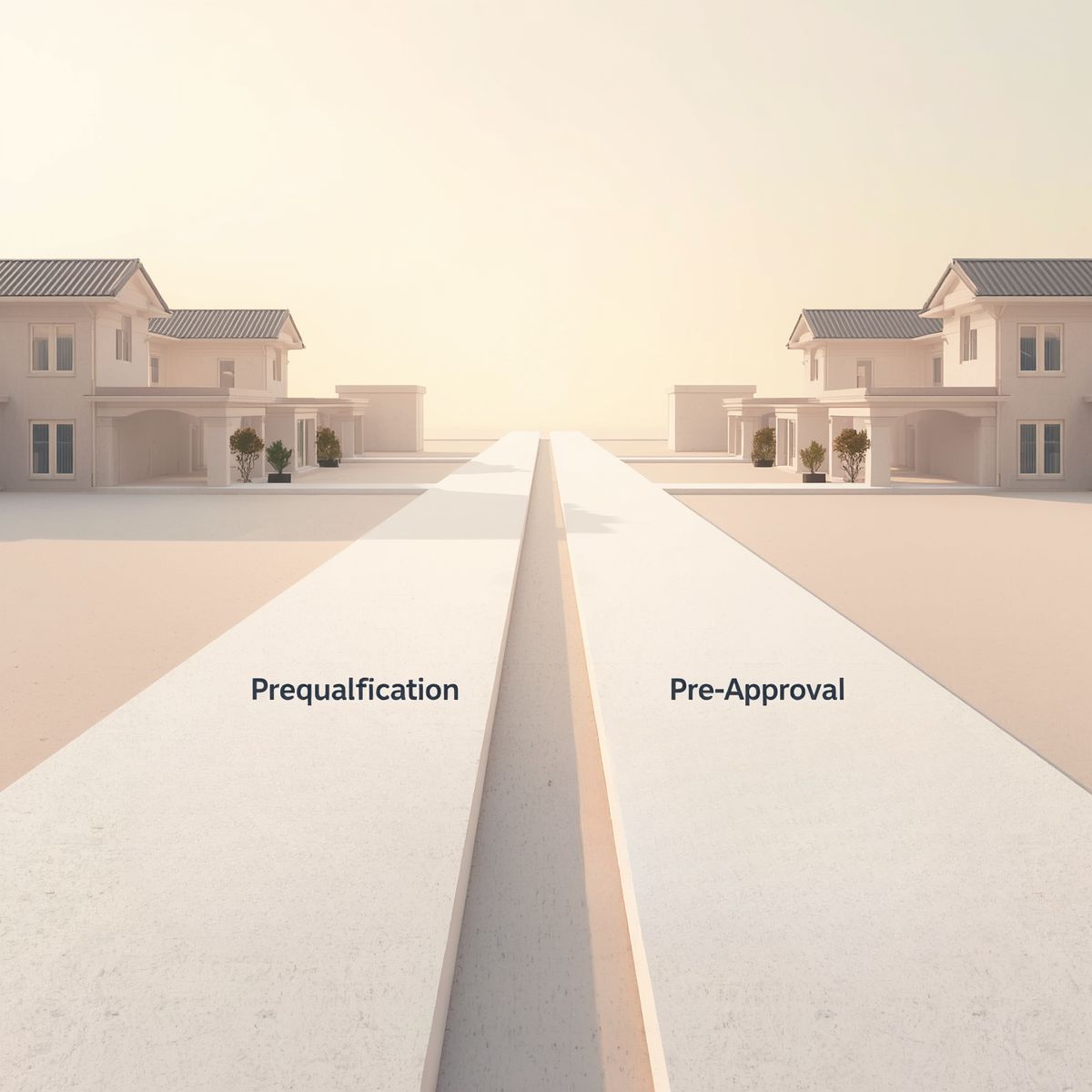
Not all “approvals” are created equal—and knowing the difference can change everything about your home search.
If you’ve started thinking about buying a home, chances are you’ve heard the terms prequalification and pre-approval used interchangeably.
They sound similar.
They feel similar.
But in reality? They are very different—and choosing the wrong one can cost you time, opportunity, and even the home you love.
Let’s break this down in a way that actually makes sense (and more importantly, helps you make smarter moves from the very beginning).
What Is a Prequalification?
A prequalification is essentially a starting point.
It’s based on:
- Information you provide (income, debts, assets)
- A soft or no credit check
- No verification of documents
👉 Think of it as a conversation, not a commitment.
What it tells you:
- A rough estimate of what you might be able to afford
- A general price range to begin exploring
What it doesn’t do:
- Verify your financials
- Strengthen your offer
- Guarantee loan approval
💡 It’s helpful—but it’s not something a seller is going to take seriously in a competitive situation.
What Is a Pre-Approval?
A pre-approval is where things get real.
This is a much more in-depth process where a lender:
- Pulls your credit report
- Reviews income documentation (W-2s, pay stubs, tax returns)
- Verifies assets and debts
- Runs your information through underwriting guidelines
👉 This is a financial vetting process, not just a conversation.
What it tells you:
- A much more accurate loan amount
- Your true buying power
- Confidence in your numbers
What it does:
- Makes your offer significantly stronger
- Shows sellers you’re serious and qualified
- Positions you to move quickly when the right home hits
Why This Matters More Than You Think
This isn’t just about paperwork—it’s about strategy.
1. Your Offer Strength Depends on It
In markets like Winchester and throughout the Shenandoah Valley, sellers are looking for certainty.
A pre-approval says:
“This buyer has already done the work.”
A prequalification says:
“This buyer might still have hurdles.”
And when multiple offers are on the table? That difference matters.
2. It Protects You From Surprises
One of the hardest conversations I have with buyers is when:
- They thought they qualified…
- They found the perfect home…
- And then financing falls apart.
A true pre-approval helps prevent:
- Credit surprises
- Debt-to-income issues
- Last-minute loan denials
💬 Clarity upfront = confidence later.
3. It Helps You Shop Smarter (Not Just Higher)
This one is important—and often misunderstood.
Pre-approval doesn’t mean:
“Go spend the max.”
It means:
“Understand your range so you can make strategic decisions.”
Sometimes that includes:
- Staying below your max for comfort
- Expanding your search slightly for better options
- Recognizing when a small price difference could mean a significantly better long-term fit
4. It Speeds Everything Up
When you’re pre-approved:
- Your offer can move faster
- Your contract process is smoother
- Your closing timeline is more predictable
And in real estate? Speed = opportunity.
Prequalification vs. Pre-Approval (Quick Comparison)
| Feature | Prequalification | Pre-Approval |
|---|---|---|
| Credit Check | No / Soft | Hard Check |
| Income Verification | No | Yes |
| Accuracy | Estimated | Highly Accurate |
| Seller Confidence | Low | High |
| Offer Strength | Weak | Strong |
The Bottom Line
If you’re serious about buying a home, pre-approval isn’t optional—it’s essential.
Prequalification can be a helpful first step, but pre-approval is what actually:
- Positions you to win
- Protects your time and energy
- Gives you real clarity and confidence
🧩 FAQs
Do I need a pre-approval before looking at homes?
Technically no—but strategically, yes. It ensures you’re looking at homes you can actually secure.
Does getting pre-approved hurt my credit?
It involves a hard inquiry, but the impact is typically small and temporary—and well worth it.
How long does a pre-approval last?
Usually 60–90 days, depending on the lender.
Can I make an offer with just a prequalification?
You can—but it may not be competitive, especially in a multiple-offer situation.
Closing Thought
Buying a home isn’t just about finding the one—it’s about being ready when you do.
And readiness?
That starts with the right foundation.