Facebook
 X
X
 Pinterest
 Copy Link
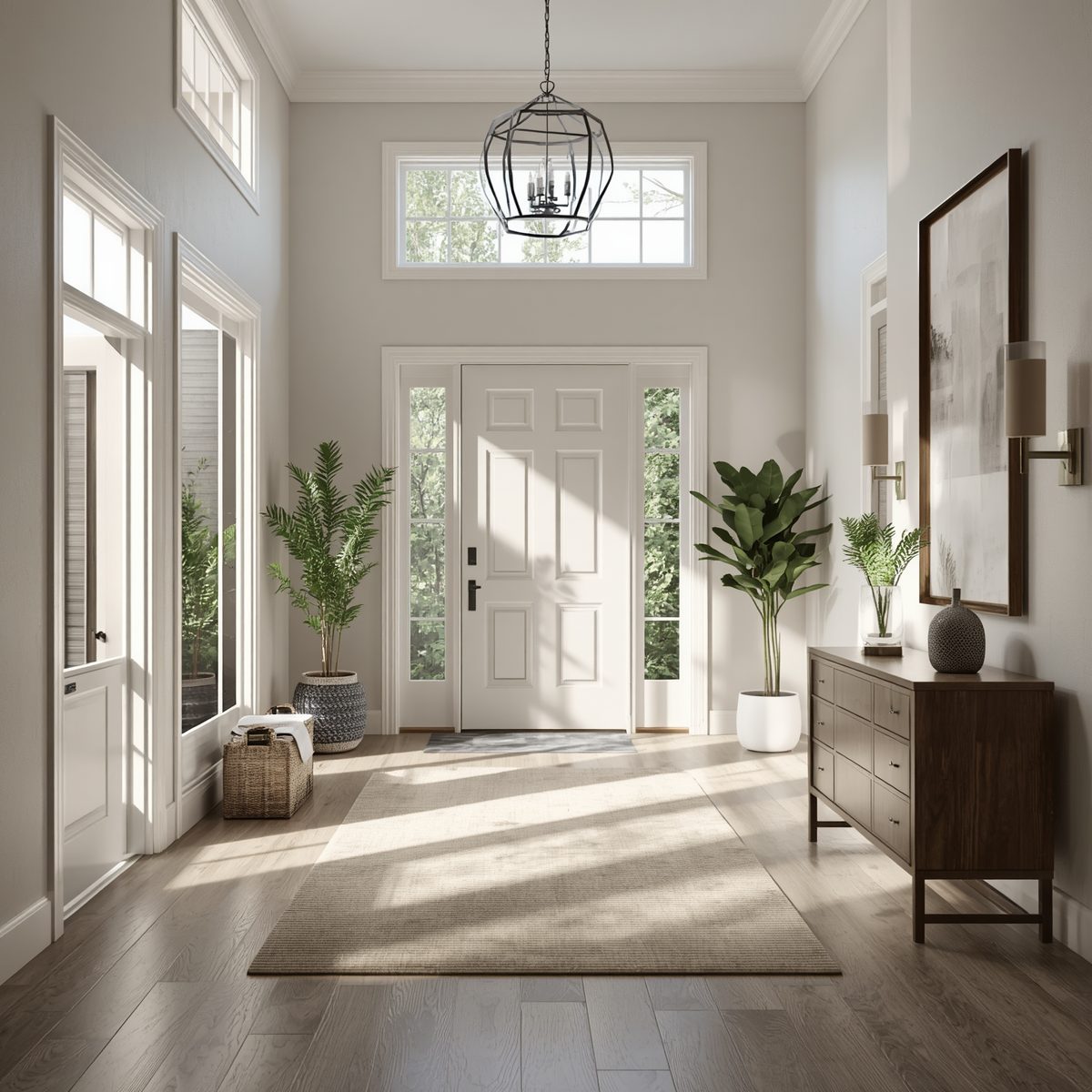
If Tuesday’s blog about proactive vs. reactive listing strategies made one thing clear, it’s this: the best results usually come from addressing concerns before buyers point them out. Today’s blog builds directly on that conversation by focusing on something many sellers underestimate — what buyers notice immediately when they walk through the front door.
Because the truth is, buyers are making emotional and practical decisions within seconds of entering a home. And while they may not consciously say every thought out loud, those first impressions absolutely shape how they feel about the property, what flaws they overlook (or don’t), and ultimately what they’re willing to offer.
In my recent blog, “Proactive vs. Reactive Listing Agents: Why the Difference Matters More Than Sellers Realize”, we talked about the difference between waiting for feedback versus anticipating it ahead of time. This is exactly where that strategy matters most.
A buyer’s first impression is not just about cleanliness. It’s about how the home feels the moment they enter.
Buyers Notice the Smell Before Almost Anything Else
This may not be glamorous, but it’s true.
If a home smells heavily of pets, smoke, mildew, strong cooking odors, overpowering candles, or even “too much air freshener,” buyers notice immediately. Sometimes they notice it before they even fully step inside.
And here’s the important part: buyers often emotionally connect smells to maintenance. Even if the issue is minor, a lingering odor can quietly trigger concerns about how well the home has been cared for overall.
This is why proactive preparation matters. Sometimes the fix is simple:
- Deep cleaning carpets
- Washing walls and fabrics
- Improving ventilation
- Addressing moisture issues
- Removing odor sources rather than masking them
A reactive approach waits for showing feedback to mention it. A proactive approach addresses it before the first buyer ever walks through the door.
Lighting Changes Everything
Dark homes tend to feel smaller, heavier, and less inviting — even when the square footage is great.
Buyers immediately notice:
- Burnt out light bulbs
- Dim rooms
- Heavy curtains blocking natural light
- Harsh lighting tones
- Shadowy corners
One of the easiest ways to improve a showing experience is simply maximizing brightness and warmth. Open blinds. Turn on lights. Use consistent bulb temperatures throughout the home. Let buyers actually see the space.
Natural light is emotional. Buyers respond to it instinctively.
Clutter Makes Rooms Feel Smaller
Even beautifully maintained homes can feel overwhelming if there is too much visual noise.
Buyers notice:
- Overpacked countertops
- Excess furniture
- Overflowing closets
- Crowded shelves
- Too many personal items
The goal is not to erase personality or make a home feel sterile. The goal is to create enough breathing room for buyers to mentally place themselves in the home.
This is especially important because buyers are not just viewing the house — they are subconsciously imagining their future life there.
Deferred Maintenance Stands Out Fast
That dripping faucet you stopped noticing years ago?
Buyers notice it.
The chipped paint?
Loose doorknob?
Scuffed trim?
Dirty HVAC vent?
Worn caulking around the tub?
Buyers may not mention every single thing directly, but collectively, these details create a story in their mind about how the home has been maintained.
And once buyers start mentally tallying “projects,” they often become more cautious emotionally and financially.
This is why proactive listing preparation matters so much. Many small issues are inexpensive to address before listing but can feel much larger to buyers during showings.
The Entryway Sets the Tone
The first few steps into a home matter enormously.
Buyers notice:
- The condition of the front door
- Flooring immediately inside
- Temperature and airflow
- Lighting
- Ceiling height
- Smells
- Overall feeling
If the entrance feels cramped, dark, cluttered, or neglected, buyers carry that feeling into the rest of the showing.
But when the entry feels open, clean, bright, and welcoming, buyers tend to view the rest of the home more positively too.
First impressions create momentum.
Buyers Are Looking for Emotional Comfort
This is one of the biggest misconceptions in real estate: buyers are not only evaluating facts and features.
They are evaluating how the home makes them feel.
A perfectly acceptable home can lose momentum if buyers feel uneasy, overwhelmed, distracted, or uncertain walking through it.
Meanwhile, homes that feel warm, clean, calm, bright, and cared for often create stronger emotional attachment — even when they are not technically “perfect.”
That emotional connection matters tremendously when offers are written.
What This Means for Sellers
One of the most valuable things a listing agent can do is help sellers see the home through a buyer’s eyes before the home hits the market.
Not to criticize.
Not to nitpick.
Not to create unnecessary expense.
But to proactively identify the small details buyers are most likely to notice immediately — and help sellers decide what improvements will have the biggest impact.
Because the goal is not perfection.
The goal is creating the strongest possible first impression from the very beginning instead of waiting for negative feedback after opportunities are already lost.
FAQs
Do buyers really decide that quickly?
Often, yes. While buyers may continue evaluating the home throughout the showing, their first emotional impression usually happens within the first few moments.
Should sellers fix everything before listing?
Not necessarily. Some updates provide much stronger return on investment than others. Strategic preparation matters more than chasing perfection.
What if my home is older?
Older homes can absolutely show beautifully. Buyers are usually more concerned about cleanliness, maintenance, functionality, and overall care than simply age.
Is staging always necessary?
Not always professionally, but thoughtful presentation almost always helps. Sometimes simple decluttering, furniture adjustments, and lighting improvements make a huge difference.
How do I know what buyers will notice in my specific home?
This is where a proactive walkthrough and honest preparation strategy can be incredibly valuable before listing.
Closing Thoughts
The homes that make the strongest impression are rarely the “perfect” homes. They are the homes that feel intentional, cared for, welcoming, and thoughtfully prepared before buyers ever walk through the door.
And that’s exactly why proactive strategy matters so much in real estate.