Facebook
 X
X
 Pinterest
 Copy Link
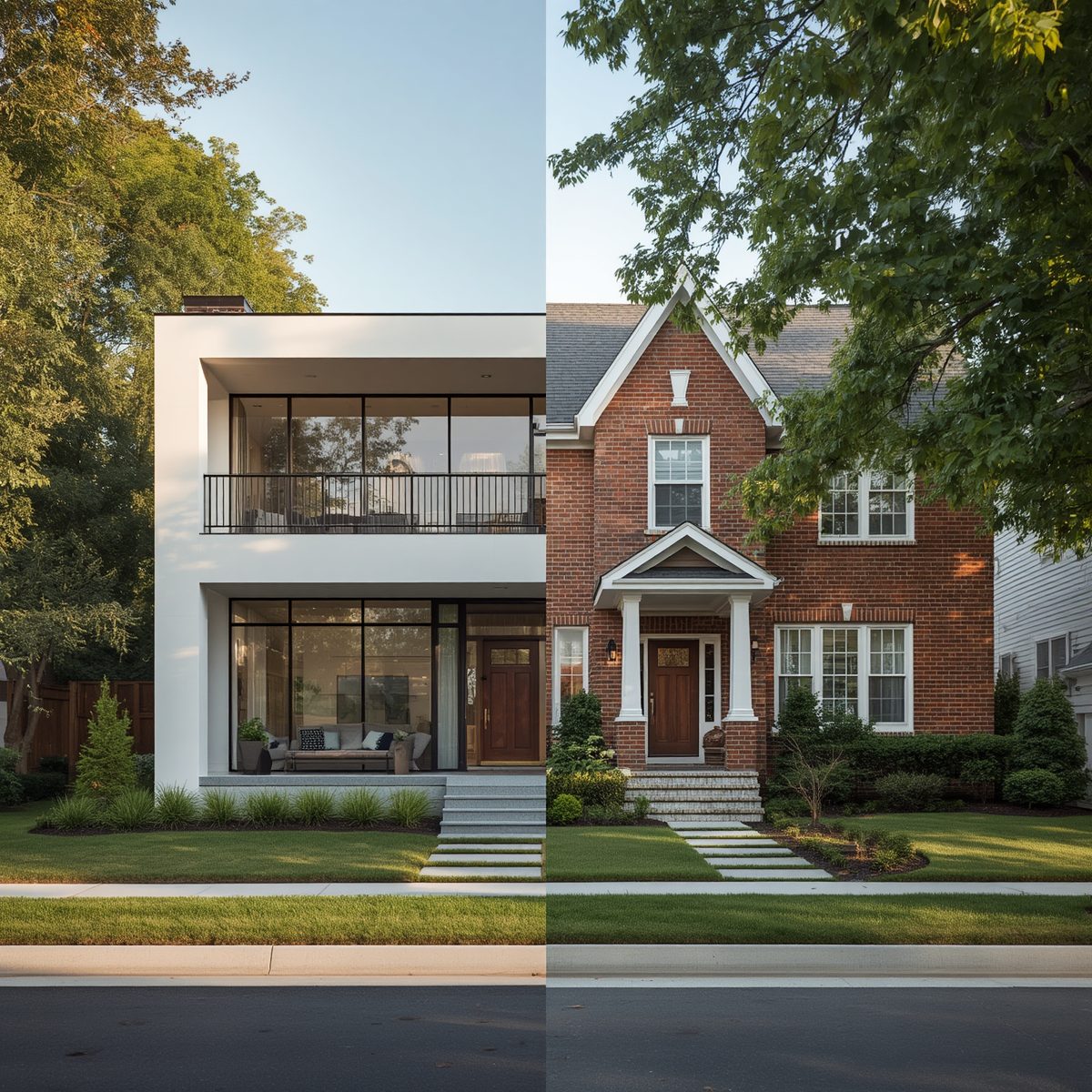
Which one is actually the better investment? The answer might surprise you.
If you’ve started shopping for a home, you’ve probably found yourself asking one of the biggest questions buyers face:
Should I buy a brand-new home or an existing one?
There’s no universal right answer.
I’ve helped clients purchase everything from century-old farmhouses to homes that weren’t even finished being built yet. Both can be incredible opportunities—and both come with challenges many buyers don’t expect.
One of the biggest misconceptions I hear is this:
“If it’s new construction, I won’t have to worry about anything breaking.”
I wish that were true.
The reality is that homes—regardless of age—are built from thousands of individual components. Mechanical systems, appliances, plumbing fixtures, roofing materials, electrical equipment, windows, grading, and countless other parts can experience issues at any point in their lifespan.
The age of a home isn’t what determines whether it’s “good.”
The quality of construction, maintenance, inspections, location, and your expectations matter far more.
Let’s compare both options realistically.
New Construction: The Pros
There are plenty of reasons buyers love new construction.
Modern Floor Plans
Builders design homes around today’s lifestyles.
Open kitchens.
Larger primary suites.
Walk-in closets.
Home offices.
Mudrooms.
These layouts often fit modern living better than homes built decades ago.
Less Immediate Maintenance
Because many components are brand new, buyers often enjoy several years before replacing major systems.
That doesn’t mean nothing can happen—it simply means many items are at the beginning of their expected lifespan.
Builder Warranties
Many builders provide warranties covering various portions of the home for specific periods of time.
These warranties can provide peace of mind—but it’s important to understand exactly what is and isn’t covered.
Personalization
Depending on the stage of construction, buyers may be able to choose:
- Cabinets
- Flooring
- Paint colors
- Fixtures
- Countertops
- Exterior finishes
For many people, designing their home is part of the fun.
Energy Efficiency
New homes often include:
- Better insulation
- Modern HVAC systems
- Energy-efficient windows
- Improved building standards
This can reduce monthly utility costs.
New Construction: The Cons
Brand new doesn’t mean perfect.
In fact, this is where buyer expectations sometimes need adjusting.
New Doesn’t Mean Problem-Free
One of the biggest myths in real estate is that a newly built home doesn’t need an inspection.
Nothing could be further from the truth.
Homes are built by people.
Even excellent builders have subcontractors, timelines, weather delays, material shortages, and human error.
I’ve seen new homes with:
- Inadequate insulation
- Improper grading
- Plumbing leaks or Water Issues
- HVAC issues
- Roofing concerns
- Electrical defects
- Cosmetic workmanship issues
None of these necessarily mean it’s a “bad” home.
It simply means that quality control matters, and that’s exactly why inspections remain an important part of the buying process.
A home being new isn’t a guarantee that it’s perfect.
Additional Costs Can Add Up Quickly
Model homes are beautiful.
They’re also full of upgrades.
The advertised starting price often doesn’t include many of the finishes buyers fall in love with during the design process.
It’s important to budget for:
- Premium lots
- Design center upgrades
- Landscaping
- Window treatments
- Appliances
- Decks or patios
- Fencing
Sometimes those costs surprise buyers.
Construction Timelines Can Change
Building schedules depend on weather, labor availability, inspections, permits, and supply chains.
Closing dates may shift.
If you’re coordinating the sale of another home, timing becomes even more important.
Existing Homes: The Pros
Buying an existing home offers advantages that new construction simply can’t replicate.
Established Neighborhoods
Mature trees.
Landscaped yards.
Walkable communities.
Larger lots.
Neighborhood character develops over decades—not months.
Many buyers value that established feel.
You Know What You’re Buying
An existing home has a history.
You can evaluate:
- Landscaping
- Drainage
- Neighborhood traffic
- Natural light
- Wear patterns
- Previous improvements
Rather than imagining what everything will look like, you can experience it firsthand.
Potentially Better Value
Sometimes existing homes offer:
- More square footage
- Larger lots
- Better locations
- More mature landscaping
…for a similar price point.
Every market is different, which is why comparing total value—not just list price—is so important.
Existing Homes: The Cons
Older doesn’t automatically mean problematic—but buyers should understand what comes with homeownership.
Maintenance Is Normal
Every home ages.
Roofs wear.
HVAC systems eventually need replacing.
Water heaters don’t last forever.
That’s not a defect.
That’s simply homeownership.
A well-maintained older home can often outperform a poorly maintained newer one.
Renovation Costs
You may eventually choose to update:
- Kitchens
- Bathrooms
- Flooring
- Paint
- Fixtures
The good news?
Many buyers can complete these projects over time while building equity.
Buyer Perception Can Be Misleading
One of my favorite conversations with buyers centers around perception.
People often assume:
New equals perfect.
or
Older equals expensive.
Neither is necessarily true.
Every home deserves to be evaluated individually.
I’ve seen immaculate 70-year-old homes.
I’ve also seen brand-new homes with inspection reports several pages long.
That’s why I encourage clients to avoid making decisions based on assumptions.
Instead, we evaluate:
- Condition
- Construction quality
- Inspection findings
- Maintenance history
- Future costs
- Long-term goals
Because those factors tell us much more than the year the home was built.
The Right Home Depends on You
There isn’t a universally “better” choice.
Some buyers prioritize:
- Low maintenance
- Customization
- Energy efficiency
Others prioritize:
- Character
- Larger lots
- Established neighborhoods
- Mature landscaping
Neither is wrong.
It’s simply about matching the home to your lifestyle—not someone else’s expectations.
Strategy Beats Assumptions
One thing I often remind buyers is this:
Every house was new construction once.
Age alone doesn’t determine quality.
Preparation does.
Inspections do.
Maintenance does.
And having realistic expectations does.
Whether you’re buying a home built last week or last century, your goal should be the same:
Understand what you’re buying so you can make a confident, informed decision.
That’s where strategy always wins.
Frequently Asked Questions
Should I still get a home inspection on a new construction home?
Absolutely. New homes can have defects just like older homes. An independent home inspection helps identify issues before closing and gives buyers valuable information about their investment.
Are older homes more expensive to maintain?
Not necessarily. A well-maintained older home can require fewer repairs than a newer home with poor workmanship or deferred maintenance. The home’s condition matters more than its age.
Is new construction more expensive?
It depends. Builder upgrades, premium lots, landscaping, appliances, fencing, and window treatments can significantly increase the final purchase price beyond the advertised base price.
Which appreciates faster?
Both new construction and existing homes can appreciate well. Appreciation is influenced more by location, market conditions, inventory, and demand than by whether the home is brand new.
Which is better for first-time buyers?
There’s no one-size-fits-all answer. Some first-time buyers prefer the predictability of new construction, while others find better value, established neighborhoods, or larger lots in resale homes.
Closing Thoughts
One of the most rewarding parts of my job is helping buyers look beyond assumptions and evaluate homes objectively. New construction isn’t automatically the better choice, and an older home isn’t automatically a risky one. Every property has its own story, strengths, and considerations.
Just as I discussed in “The Psychology of Homebuying: How Buyer Perception Shapes Every Showing,” our expectations can influence how we see a home before we’ve truly evaluated it. Pairing that mindset with the strategies from “Inspection Negotiations: Focusing on What Really Matters“ and “What ‘As-Is’ Really Means (for Buyers and Sellers)“ helps buyers move past myths and make decisions based on facts instead of fear.
My goal is never to convince you that one option is better than the other. It’s to help you understand the differences, ask the right questions, and choose the home that best fits your goals—whether it was built this year or a hundred years ago.