Facebook
 X
X
 Pinterest
 Copy Link
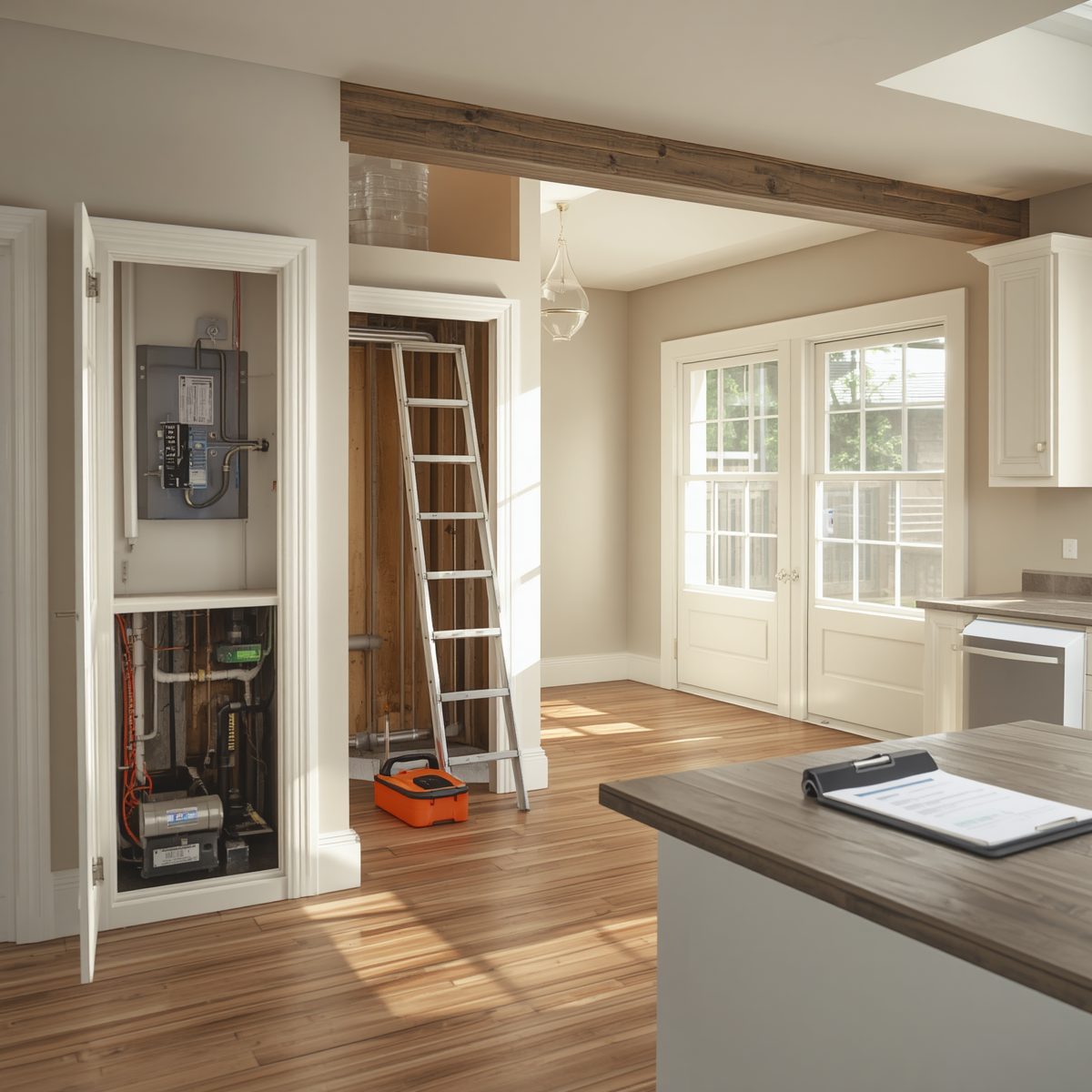
Buying a home is exciting, but there’s one part of the transaction that can quickly become emotional for everyone involved: the home inspection.
I’ve heard buyers ask, “Should we ask for this?”
I’ve heard sellers wonder, “Are they really expecting me to fix all of that?”
The truth is, inspection negotiations aren’t about right or wrong. They’re simply another stage of negotiation. Every buyer has a different comfort level, every seller has different priorities, and every home has its own story.
There isn’t a universal checklist that determines what’s “reasonable.” Instead, successful inspection negotiations happen when both parties understand the bigger picture and work toward a solution they can both accept.
The Inspection Isn’t a Pass or Fail Test
One of the biggest misconceptions about home inspections is that they’re designed to determine whether a house is “good” or “bad.”
They’re not.
A home inspection is simply a snapshot of the property’s condition on a particular day. Every home—even new construction—will have findings.
Some will be routine maintenance items.
Some will be cosmetic.
Some may point to larger concerns involving the home’s systems or structure.
The inspection doesn’t decide whether you should move forward. It simply gives you more information so you can make an informed decision.
That’s why I’ve always believed education is more valuable than emotion during this part of the process.
There Isn’t One “Correct” Inspection Request
This is something I stress with every client.
In both Virginia and West Virginia, inspection negotiations ultimately come down to purchaser discretion. No one—not your REALTOR®, not the seller, not the inspector—can decide what level of risk or comfort is appropriate for you.
What one buyer views as a deal breaker, another buyer may barely notice.
One family may happily purchase a home needing a new HVAC system because they planned renovations anyway.
Another buyer may not feel financially comfortable taking that on immediately after closing.
Neither perspective is wrong.
The important part is understanding your options and making decisions that align with your goals.
Why I Encourage Clients to Focus on Systems and Structure
Although every buyer has the right to request whatever concerns them, I often encourage clients to focus their negotiations on items involving the home’s major systems, structural integrity, or safety.
That doesn’t mean cosmetic items don’t matter.
It simply means there’s often a practical strategy behind prioritizing bigger concerns first.
Think about things like:
- Roofing concerns
- Foundation issues
- Electrical hazards
- Plumbing leaks
- HVAC failures
- Moisture intrusion
- Significant structural defects
These types of issues can be expensive, affect the home’s function, or create larger problems over time.
There’s another important consideration that many buyers don’t realize.
If significant defects are identified and negotiations fall apart, the seller may have disclosure obligations regarding those material defects in future transactions, depending on state law and the circumstances involved.
Because of that, sellers often have additional incentive to thoughtfully consider requests involving substantial issues.
That doesn’t guarantee they’ll agree.
It simply explains why negotiations surrounding major systems and structural concerns sometimes have a different dynamic than requests involving smaller cosmetic items.
Cosmetic Doesn’t Mean Unimportant
This is where I try to avoid blanket advice.
Minor scratches.
Loose cabinet pulls.
Paint touch-ups.
Small drywall repairs.
Sticky doors.
These things might feel important to one buyer and completely insignificant to another.
And that’s okay.
Sometimes those items become part of a larger conversation.
Sometimes buyers simply decide they’ll handle them after closing.
Sometimes sellers happily agree because they’re relatively inexpensive.
There isn’t a universal answer.
The goal isn’t to decide whether something is “worthy.”
The goal is deciding what matters most to you.
Every Seller Is Different, Too
Just as every buyer has a different comfort level, every seller approaches negotiations differently.
Some sellers would rather make repairs than renegotiate pricing.
Others prefer offering a credit.
Some are unable—or simply unwilling—to complete repairs before closing.
Others may have already priced the home knowing it would need updates.
This is why predicting inspection negotiations is nearly impossible.
No two sellers respond exactly alike.
The strongest strategy is approaching negotiations with realistic expectations, good information, and a willingness to have productive conversations.
Negotiation Is About Finding Common Ground
Inspection negotiations aren’t about “winning.”
They’re about determining whether both parties can reach an agreement they’re comfortable with.
Sometimes that’s repairs.
Sometimes it’s a credit.
Sometimes it’s adjusting the purchase price.
Sometimes it’s agreeing that no additional action is needed.
And occasionally, the answer is that both parties simply can’t come together.
While that’s disappointing, it’s also okay.
Not every transaction is meant to make it to the closing table, and forcing a deal rarely benefits anyone in the long run.
A Team Approach Makes a Difference
This is one of the reasons I spend so much time preparing clients before we ever receive an inspection report.
I don’t want anyone making decisions based solely on emotion.
Instead, we work through each item together, discussing:
- Is this a maintenance item?
- Is this typical for a home of this age?
- Does it affect safety or function?
- Is it likely to become more expensive if ignored?
- Is this something you’re comfortable addressing after closing?
Those conversations help create a strategy that fits each client’s goals instead of relying on generic advice from the internet.
It’s the same approach I discussed in The Art of Negotiation: What Really Happens Behind the Scenes. Every negotiation is different because every client is different.
Likewise, understanding What “As-Is” Really Means (For Buyers and Sellers) helps set realistic expectations before inspection negotiations even begin, while The Top Reasons Deals Fall Apart (And How to Avoid Them) highlights how thoughtful communication can keep transactions moving forward. And if you’ve read The Psychology of Homebuying: How Buyer Perception Shapes Every Showing, you’ll recognize that buyer perception doesn’t stop once the offer is accepted—it continues throughout the inspection process as well.
Closing Thoughts
Inspection negotiations aren’t about finding the “perfect” house.
They’re about understanding the home you’re buying and deciding whether its condition matches your comfort level, budget, and long-term goals.
Every buyer deserves to feel confident in their decision.
Every seller deserves a fair opportunity to respond.
When both sides approach the process with realistic expectations and a willingness to communicate, inspection negotiations become what they were always meant to be: another conversation focused on finding common ground.
Having an experienced REALTOR® beside you isn’t about telling you what you should ask for—it’s about helping you understand your options, discuss possible outcomes, and make informed decisions that fit your goals.