Facebook
 X
X
 Pinterest
 Copy Link
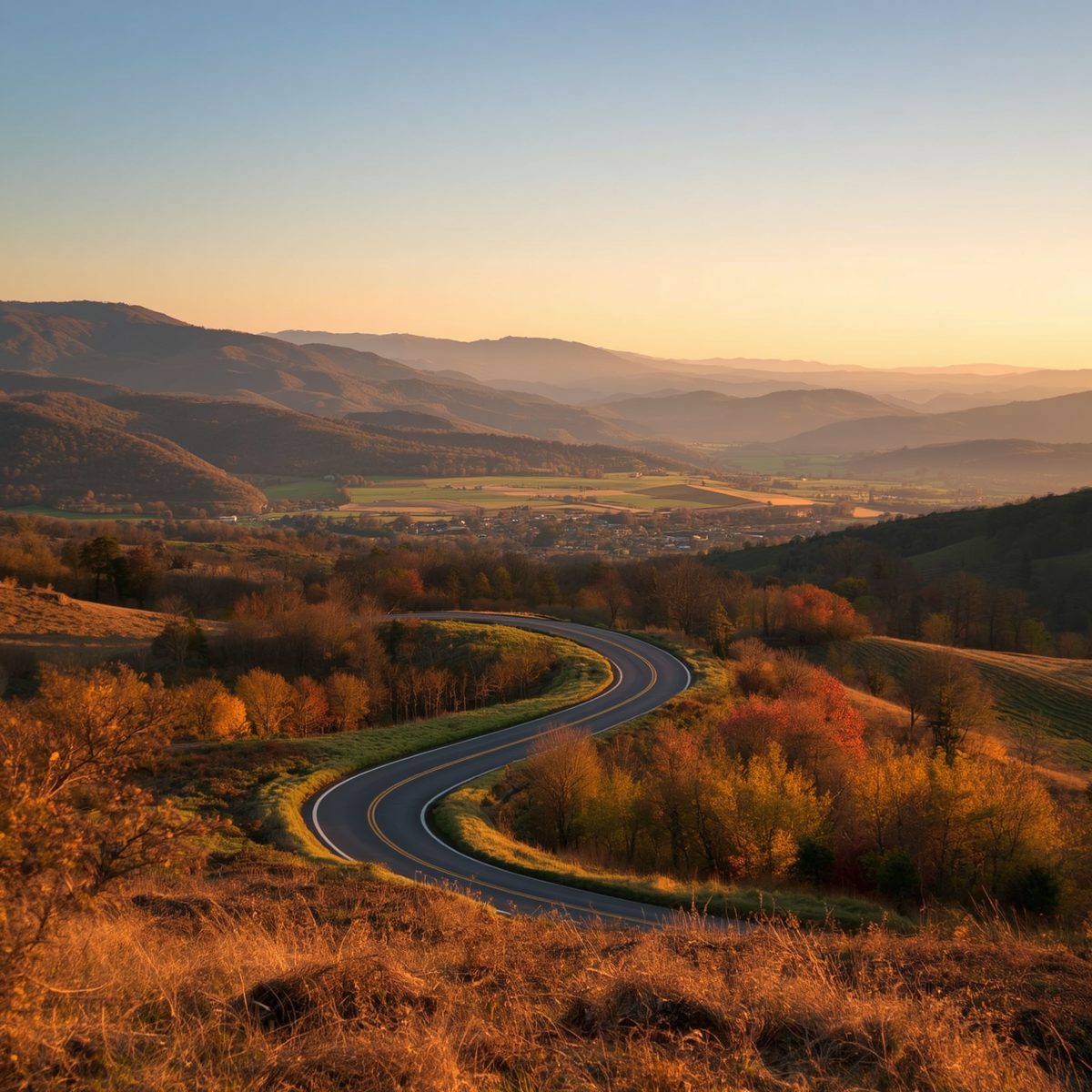
If you’ve spent any time looking at homes in the Shenandoah Valley, you’ve probably had the same reaction many of my clients do:
“Wait… I can get all of that for this price?”
For many buyers relocating from Northern Virginia, the answer is yes. Larger lots, more privacy, mountain views, less traffic, and often significantly more purchasing power can make the Valley incredibly appealing.
But there’s another side to the story.
Moving to the Shenandoah Valley isn’t simply a change of address. It’s a lifestyle shift. And whether you’re relocating from Northern Virginia, New York, Pennsylvania, Ohio, California, or somewhere else entirely, understanding the realities of the region before you move can make the transition much smoother.
As someone who regularly helps relocation buyers throughout Winchester, Frederick County, Clarke County, Warren County, Shenandoah County, Page County, and the surrounding region, I’ve found that the happiest movers are the ones who arrive with realistic expectations—not just excitement.
Let’s talk about what life here is really like.
Why So Many People Are Moving to the Shenandoah Valley
The appeal is easy to understand.
Many relocation buyers tell me they’re looking for:
- More home for their money
- Lower overall cost of living
- Less congestion
- More outdoor recreation
- A stronger sense of community
- Space for hobbies, animals, gardens, or simply breathing room
- Proximity to major metro areas without living in them
For Northern Virginia buyers especially, the Shenandoah Valley often offers an opportunity to upgrade their lifestyle without dramatically increasing their housing budget.
A home that may be unattainable in Fairfax, Arlington, Loudoun, or Prince William County can suddenly become realistic in Winchester, Front Royal, Strasburg, Woodstock, Luray, or other Valley communities.
But affordability is only one piece of the equation.
The Pace of Life Is Different
One of the first things relocation buyers notice is that things simply move differently here.
That’s not good or bad.
It’s just different.
You may find:
- Fewer big-box options nearby
- Longer lead times for contractors
- Different restaurant selections
- More locally-owned businesses
- More community-focused events
- Less emphasis on rushing everywhere
For many people, this becomes one of the things they love most.
For others, it requires an adjustment period.
If you’re used to having every service available within five minutes, the Valley may initially feel slower.
If you’re looking for a little breathing room, it often feels exactly right.
The Commute Matters More Than You Think
One of the biggest mistakes I see relocation buyers make is focusing exclusively on the house while underestimating the commute.
Many buyers moving from Northern Virginia intend to continue working in the metro area.
Before buying, ask yourself:
- How many days per week will I commute?
- What does that drive look like during rush hour?
- What happens if my remote work situation changes?
- How much time am I truly comfortable spending in the car?
A home that feels perfect on a Saturday afternoon can feel very different after several months of commuting.
The goal isn’t simply finding the right house.
It’s finding the right lifestyle.
Rural Living Comes With Rural Responsibilities
Many buyers relocating from urban and suburban areas are excited about acreage.
I understand the appeal.
Mountain views, privacy, and open space are hard to resist.
But rural properties often come with systems buyers may not have encountered before.
Examples include:
- Private wells
- Septic systems
- Propane service
- Gravel roads
- Shared driveways
- Agricultural zoning considerations
- Easements
- Internet availability differences
None of these are necessarily problems.
They’re simply things that require education and understanding.
This is similar to what we discussed in previous blogs about buying across state lines and understanding property-specific considerations before making an offer.
The more informed you are, the better decisions you can make.
Internet and Cell Service Can Be Deal Breakers
This one surprises people.
A lot.
A beautiful property with breathtaking views doesn’t help much if you work remotely and can’t maintain a reliable internet connection.
Before purchasing, buyers should investigate:
- Internet providers
- Available speeds
- Fiber availability
- Cellular coverage
- Future expansion plans
Never assume service availability based solely on the property’s location.
This is especially important for remote workers relocating from larger metropolitan areas.
Weather Feels Different Here
Many relocation buyers love experiencing four distinct seasons.
The Valley offers:
- Beautiful spring blooms
- Warm summers
- Stunning fall foliage
- Winter weather that can vary significantly by location and elevation
However, mountain geography creates unique weather patterns.
A property just a few miles away can experience very different conditions.
Snow removal, road maintenance, driveway accessibility, and travel times may become larger considerations than they were in previous locations.
Community Matters More Than Many Buyers Expect
One thing I consistently hear from relocation clients after they’ve settled in is how quickly they became connected to the community.
The Shenandoah Valley tends to feel smaller and more relationship-driven than many major metro areas.
People often know their neighbors.
Local businesses recognize repeat customers.
Community events draw strong participation.
For many buyers, this becomes one of the most rewarding parts of the move.
Your Purchasing Power May Increase—But Strategy Still Matters
A common misconception is that because homes may be more affordable than Northern Virginia or other high-cost markets, buyers don’t need a strategy.
The opposite is often true.
We’ve discussed this concept in blogs like:
- How Much Home Can You Actually Afford vs. What You Should Spend
- Pre-Approved vs. PreQualification: Why it Matters More Than You Think
Purchasing power creates options.
It doesn’t mean you should automatically spend more.
The strongest relocation buyers approach the process strategically, focusing on long-term goals rather than simply maximizing budget.
Every Area Has Its Own Personality
One of the biggest surprises for out-of-state buyers is how different communities can feel despite being relatively close together.
For example:
- Winchester feels different from Front Royal.
- Front Royal feels different from Luray.
- Luray feels different from Strasburg.
- Clarke County feels different from Frederick County.
Each community offers its own blend of:
- Lifestyle
- Schools
- Amenities
- Commute patterns
- Housing styles
- Lot sizes
- Community culture
This is why I often encourage relocation buyers to spend a weekend exploring before making decisions.
Sometimes the town buyers thought they wanted isn’t actually where they end up feeling most at home.
The Best Move Is the Informed Move
The Shenandoah Valley has become a destination for buyers from Northern Virginia, New York, Pennsylvania, Ohio, California, Maryland, New Jersey, and beyond.
And for good reason.
It’s a beautiful place to live.
But the buyers who are happiest after the move are rarely the ones who focused solely on home prices.
They’re the ones who took time to understand the lifestyle, the communities, the practical realities, and how they wanted their daily lives to look once the boxes were unpacked.
Because moving isn’t just about finding a house.
It’s about finding the right fit.
Frequently Asked Questions
Is moving from Northern Virginia to the Shenandoah Valley common?
Very. Many buyers relocate from Fairfax, Loudoun, Arlington, Prince William, and surrounding areas seeking more space, lower housing costs, and a different pace of life.
Are homes significantly cheaper in the Shenandoah Valley?
Generally speaking, buyers often find greater purchasing power compared to many Northern Virginia markets. However, prices vary significantly by location, property type, acreage, and amenities.
Is remote work possible throughout the Valley?
In many areas, yes. However, internet availability varies considerably, especially in rural locations. Verification should always occur before purchasing.
Do I need special inspections for rural properties?
Potentially. Depending on the property, buyers may wish to evaluate wells, septic systems, water quality, radon, outbuildings, drainage, and other factors.
How far is Winchester from Northern Virginia?
Many parts of Northern Virginia are approximately 60–90 minutes away depending on traffic, destination, and time of day.
Is the Shenandoah Valley a good place to retire?
Many retirees are drawn to the region because of its scenery, recreational opportunities, community atmosphere, and relative affordability.
Closing Thoughts
Whether you’re moving from Northern Virginia or relocating from New York, Pennsylvania, Ohio, California, or anywhere else, the Shenandoah Valley offers something many buyers are searching for: options.
More space. More breathing room. More opportunities to create the lifestyle you actually want.
The key is making sure the move aligns with your goals—not just your budget.
A successful relocation isn’t about finding the cheapest house or the biggest lot.
It’s about finding the place that feels like home.