Facebook
 X
X
 Pinterest
 Copy Link
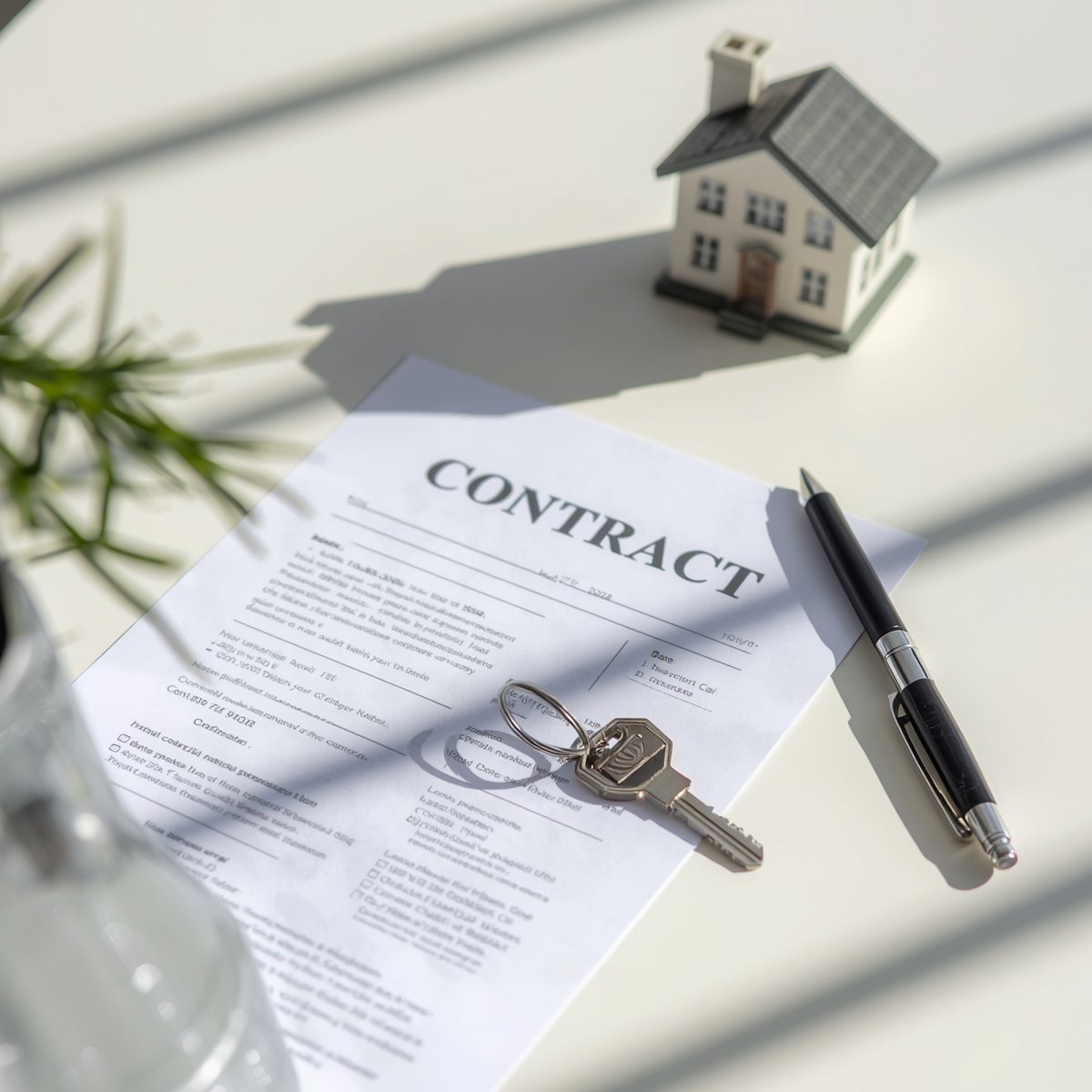
There’s a moment when the excitement hits: your offer is accepted. You’re officially under contract.
And then… reality sets in.
Because while it feels like you’ve secured the home, what you’ve really done is enter a structured process full of timelines, decisions, and opportunities to protect yourself.
This is where strategy matters most.
Let’s walk through exactly what happens next—so you know what to expect, where your leverage is, and how to move through it with confidence.
Step 1: Contract Ratification (You’re Officially “Under Contract”)
Once both parties sign, the contract is ratified and the clock starts ticking.
At this point:
- Deadlines become legally binding
- Contingencies are activated (inspection, financing, appraisal, etc.)
- Your deposit (earnest money) is submitted
What this means for you:
You now have a home secured with conditions—not guaranteed yet, but protected while you do your due diligence.
Step 2: Earnest Money Deposit (Your Skin in the Game)
Typically due within a few days of ratification, this deposit shows you’re serious.
- Held by the title company or brokerage
- Applied toward your closing costs later
- Protected by your contingencies
Strategy note:
This is not money you “lose” unless you default on the contract. It’s a commitment, not a gamble—when structured correctly.
Step 3: Schedule Inspections (Your Deep Dive Into the Home)
This is one of the most critical phases.
Common inspections include:
- General home inspection
- Radon
- Termite/WDI
- Well/septic (if applicable)
What’s really happening here:
You’re identifying condition, safety concerns, and potential future costs.
Your options after inspections:
- Accept the home as-is
- Request repairs or credits (When negotiated as an option, as part of the contract.)
- Walk away (depending on contingency terms)
This is not about perfection—it’s about awareness and negotiation.
Step 4: Loan Processing & Financing Approval
If you’re financing, your lender is now working behind the scenes.
This includes:
- Verifying income, assets, and employment
- Finalizing loan terms
- Moving toward underwriting approval
Important:
Avoid major financial changes during this time:
- No new credit cards
- No large purchases
- No job changes if possible
Why?
Because your loan approval is still being finalized—even if you’re pre-approved.
Step 5: Appraisal (The Bank’s Reality Check)
Your lender orders an appraisal to confirm the home’s value.
Possible outcomes:
- Appraises at value or higher: Smooth sailing
- Appraises low: Negotiation time
- Renegotiate price
- Bring additional cash
- Walk away (if protected by contingency)
This is where market meets math.
Step 6: Title Work & Legal Review
The title company (or attorney, depending on your area) ensures:
- Clear ownership of the property
- No liens or legal issues
- Proper transfer of ownership
They also begin preparing your closing documents.
Behind the scenes, this is what makes your ownership legitimate.
Step 7: Insurance & Utilities Setup
Before closing, you’ll need:
- Homeowners insurance policy
- Utility transfers scheduled
Your lender will require proof of insurance before final approval.
Step 8: Final Walkthrough (Your Last Look)
Typically done 24–48 hours before closing.
You’re confirming:
- The home is in agreed-upon condition
- Any negotiated repairs are complete
- Nothing has materially changed
This is not another inspection—it’s a verification step.
Step 9: Closing Day (The Finish Line)
You’ll:
- Sign all final documents
- Pay closing costs
- Receive the keys (timing depends on recording)
And just like that—you’re a homeowner.
The Reality No One Talks About
Going under contract isn’t the end—it’s the most active part of the process.
This is where:
- Deals are negotiated
- Risks are uncovered
- Decisions actually matter
And this is exactly why who you work with matters.
FAQs
How long does the under contract period usually last?
Typically 30–45 days, but it can vary depending on financing, negotiations, and contract terms.
Can I still back out after going under contract?
Yes—if you have contingencies in place (inspection, financing, appraisal, etc.) and act within the deadlines.
What happens if the inspection finds issues?
You can negotiate repairs, request credits, or walk away depending on your contract.
What happens if my loan falls through?
If you have a financing contingency, your earnest money is typically protected.
Do I need to be present at closing?
Not always—remote closings are possible in many cases, but it depends on your lender and title company, as well as the state laws.
Closing Thoughts
The moment you go under contract isn’t the finish line—it’s where your strategy actually starts to matter.
This is the phase where you move from wanting the home to making sure it’s the right home, at the right terms, with the right protections in place.
Because the goal isn’t just to get to the closing table.
It’s to get there feeling confident in every decision you made along the way.