Facebook
 X
X
 Pinterest
 Copy Link
Selling your home often comes with one big question:
“Should I fix this before I sell?”
It’s a fair question—and one I hear almost every time I meet with prospective sellers.
The truth is, not every dollar you spend before listing your home will come back to you at closing. In fact, some of the most expensive renovations homeowners make before selling end up providing very little return on investment.
That’s why I encourage my clients to think differently.
Instead of asking, “What can I renovate?” we should be asking, “What will actually improve buyer perception and help my home sell?”
After more than 150 home sales, I’ve found that successful pre-listing improvements aren’t always the most expensive—they’re the ones that remove buyer objections, photograph well, and help buyers emotionally connect with the home.
Let’s look at where your money typically works hardest—and where it often doesn’t.
Start With Strategy, Not a Shopping List
One of the biggest mistakes sellers make is deciding on renovations before they’ve developed a selling strategy.
It’s easy to walk through your home and notice every little project you’ve wanted to tackle over the years. Before long, you’re planning a new kitchen, replacing flooring throughout the house, repainting every room, and remodeling bathrooms.
But buyers aren’t walking through your home with the same perspective you are.
They’re evaluating whether the home feels well-maintained, move-in ready, and worth the asking price.
That distinction matters.
Sometimes a $500 improvement creates more value than a $20,000 renovation.
That’s why one of my first conversations with sellers isn’t about contractors—it’s about priorities.
Much like I discussed in Selling With Confidence: The Decisions That Matter Most, the goal isn’t simply to spend money before selling. It’s to make thoughtful decisions that support your overall strategy.
Renovations That Usually Deliver the Best Return
While every market and every home is different, there are improvements that consistently provide strong returns because they improve first impressions and buyer confidence.
Fresh Interior Paint
If I could recommend just one improvement to almost every seller, this would probably be it.
Fresh, neutral paint instantly makes a home feel:
- Cleaner
- Brighter
- Better maintained
- More move-in ready
Paint is less expensive compared to larger renovations, yet it transforms how buyers experience a home both online and in person.
Neutral doesn’t mean boring.
It means allowing buyers to imagine their life in the home instead of focusing on your decorating choices.
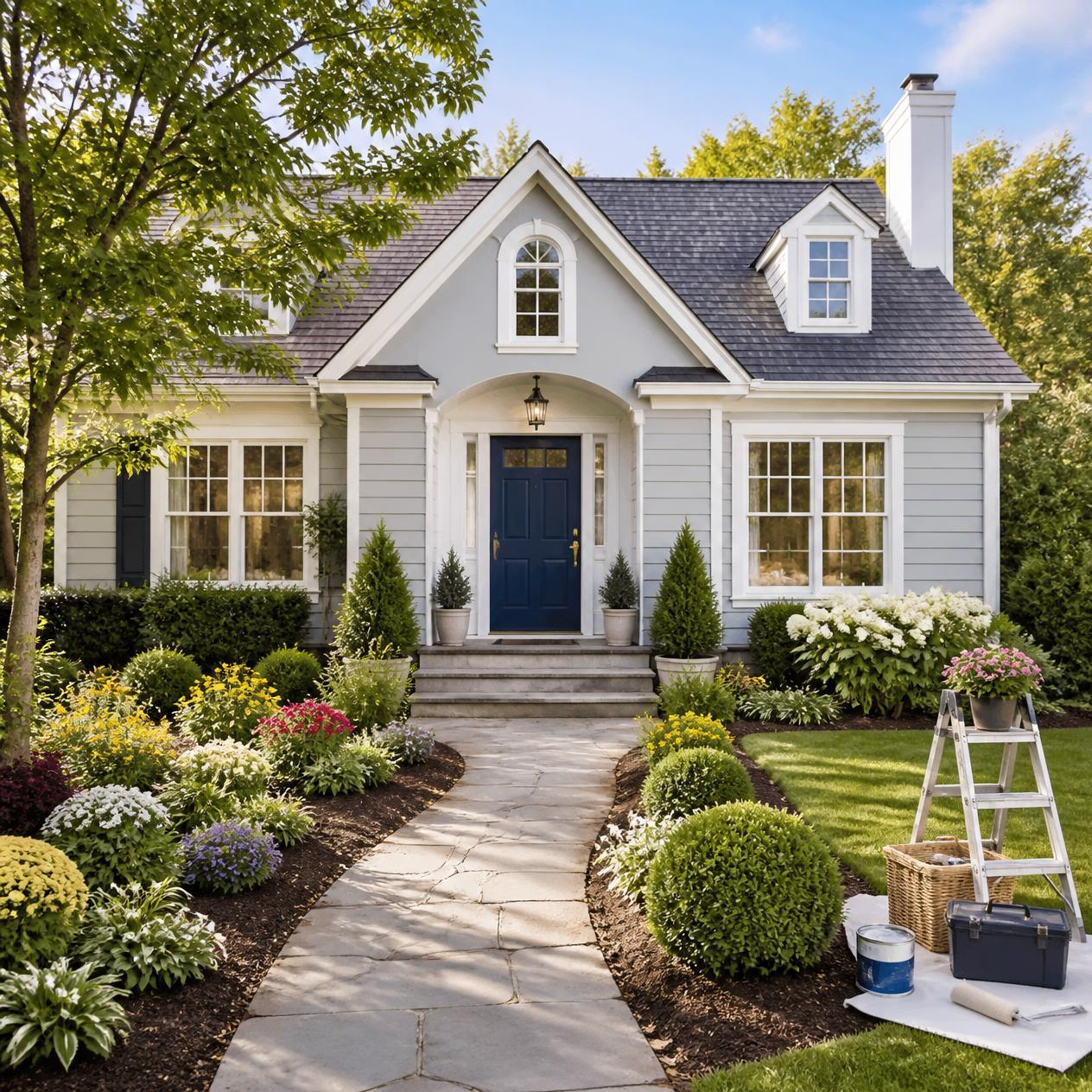
Improve Your Curb Appeal
You only get one first impression.
Before buyers ever step inside, they’re already forming opinions.
Simple improvements often provide tremendous value:
- Fresh mulch
- Trimmed shrubs
- Power washing
- Clean sidewalks
- Fresh flowers
- Pressure-washed driveway
- Fresh mailbox
- Updated house numbers
- Clean front door
- New welcome mat
None of these are particularly expensive.
Together, however, they create an impression that the home has been cared for.
Lighting Makes a Huge Difference
One of the easiest ways to modernize a home is through lighting.
Replacing outdated fixtures with clean, timeless styles can dramatically improve both listing photos and buyer perception.
Don’t forget:
- Replace burned-out bulbs.
- Use matching color temperatures.
- Increase brightness where appropriate.
- Open blinds and curtains.
- Let natural light become part of the showing experience.
Bright homes simply feel larger and more inviting. One thing I intentionally do when showing homes is leave the lights off if a room is already filled with beautiful natural light. Buyers consistently respond to bright, sun-filled spaces, and by letting them experience that first, it highlights one of the home’s greatest features. Then, when on the lights, it’s intentional—I point out why I’m doing it, whether it’s to showcase the natural light of the home. It’s a small detail, but one that helps buyers appreciate the home rather than simply walking through it.
Flooring Repairs
Notice I said repairs—not necessarily replacement.
Buyers notice damaged flooring immediately.
Sometimes replacing worn carpet in one room or repairing damaged luxury vinyl flooring is enough.
Other times, a professional carpet cleaning completely changes the home’s appearance.
Replacing perfectly functional flooring simply because it’s a few years old often isn’t necessary.
Again, strategy matters.
Kitchens: Small Updates Can Go a Long Way
The kitchen is important.
But that doesn’t automatically mean it needs a complete remodel.
Instead, consider updates like:
- Cabinet hardware
- Modern faucet
- New lighting
- Fresh paint
- Deep professional cleaning
- Updated backsplash
- Recaulk sinks and countertops
These relatively inexpensive improvements often create a fresh, updated appearance without investing tens of thousands of dollars.
Bathrooms
The same philosophy applies here.
A sparkling clean bathroom with:
- Fresh caulk
- New mirrors
- Updated lighting
- Fresh towels
- Modern hardware
often shows significantly better than one with an expensive remodel that buyers may not have chosen themselves.
Repairs Often Matter More Than Upgrades
One thing buyers consistently notice?
Deferred maintenance.
Loose railings.
Leaking faucets.
Missing outlet covers.
Sticky doors.
Broken windows.
Running toilets.
Dripping hose bibs.
These aren’t glamorous projects.
But they communicate something important.
When buyers see numerous small maintenance issues, they often begin wondering:
“If these obvious things weren’t addressed…what bigger problems might exist?”
Removing those questions builds buyer confidence.
What Usually Isn’t Worth Doing Before Selling
Now let’s talk about the projects I often encourage sellers to think carefully about.
Complete Kitchen Remodels
Unless your kitchen has suffered significant damage or is severely outdated to the point of impacting marketability, a full remodel often doesn’t return what it costs.
Buyers have different tastes.
What you spend tens of thousands of dollars creating may not be what your eventual buyer would have chosen.
Luxury Bathroom Renovations
Heated floors.
Designer tile.
Steam showers.
Freestanding soaking tubs.
They’re beautiful.
They’re also features many buyers appreciate—but don’t necessarily pay dollar-for-dollar to receive.
Converting Rooms
Whether it’s turning a bedroom into a gym, a nursery into an office, or a dining room into something highly specialized, unique conversions often reduce buyer appeal rather than expand it.
Buyers like flexibility.
The more easily they can envision themselves using the space, the better.
Highly Personalized Design Choices
Bold wallpaper.
Custom built-ins designed around one hobby.
Bright accent walls.
Unique tile.
Statement lighting.
Remember:
You’re selling the home.
Not your decorating style.
Expensive Landscaping Projects
Professional landscaping certainly has value.
Installing elaborate gardens, fountains, retaining walls, or extensive hardscaping shortly before listing often doesn’t provide a strong return.
Focus first on maintenance.
Neat usually beats elaborate.
Every Dollar Has an Opportunity Cost
This is something I discuss with sellers frequently.
If you’re considering spending $30,000 preparing your home for sale, it’s worth asking:
Would buyers actually pay $30,000 more?
Or…
Would that money be better left in your pocket while pricing the home strategically?
Sometimes the answer is yes.
Sometimes it’s no.
That’s why blanket advice rarely works.
Every home, neighborhood, and price point is different.
Sometimes Doing Less Is Actually the Better Strategy
One thing I’ve learned after working through more than 150 transactions is that homeowners often underestimate the value of simplicity.
Clean.
Organized.
Well-maintained.
Professionally photographed.
Strategically priced.
Those four things often outperform extensive renovations.
Many buyers today are perfectly comfortable making cosmetic updates over time.
What they’re less comfortable with is uncertainty.
If the home’s major systems appear well cared for and the property presents well, buyers are often far more forgiving of cosmetic preferences than sellers expect.
Every Home Deserves Its Own Plan
This is why I don’t walk into every listing appointment with the same checklist.
Two homes built by the same builder on the same street can require completely different strategies.
One may benefit from replacing carpet.
Another may only need paint.
Another might need nothing more than staging and professional photography.
The goal isn’t to renovate until there’s nothing left to improve.
The goal is to invest where it matters most—and avoid spending money where buyers simply won’t recognize or value it.
That’s also why I believe pricing and preparation should always work together. As I discussed in Why “Zestimate” Isn’t the Full Story (and What Actually Determines Value), understanding true market value is about much more than simply adding up renovation costs. A thoughtful pricing strategy takes into account buyer demand, competing inventory, condition, location, and overall presentation—not just receipts from recent projects.
Frequently Asked Questions
Should I renovate before selling my house?
Not necessarily. Focus first on repairs, maintenance, cleanliness, paint, and presentation. Large renovations may not be worth the investment.
What renovation adds the most value before selling?
Fresh interior paint, curb appeal improvements, lighting updates, and addressing deferred maintenance consistently provide some of the best returns for many sellers.
Should I remodel my kitchen before listing?
Usually not. Unless the kitchen is significantly impacting the home’s marketability, smaller cosmetic updates often provide a much better return than a complete remodel.
Is replacing carpet worth it?
Sometimes. If the carpet is heavily worn, stained, or has odors, replacement may be worthwhile. In many cases, professional cleaning is enough.
Should I finish my basement before selling?
It depends on your market, neighborhood, budget, and timeline. Large projects should be evaluated based on likely buyer demand and expected return—not simply because additional finished space sounds appealing.
Should I update my landscaping?
Focus on maintenance first. Healthy grass, trimmed shrubs, fresh mulch, and clean walkways usually provide a stronger return than elaborate landscaping projects.
How do I know which projects are worth doing?
The best approach is to evaluate your home in the context of your local market, competing listings, expected buyers, and pricing strategy. Every home is different, which is why a personalized pre-listing plan is often far more valuable than following a generic checklist.
Closing Thoughts
Preparing your home for sale isn’t about creating a brand-new house—it’s about creating confidence.
Buyers notice when a home feels cared for, clean, and thoughtfully presented. They also notice when sellers have invested wisely instead of simply spending money for the sake of spending it.
Some of the best returns come from relatively simple improvements that make a home feel brighter, more inviting, and better maintained. On the other hand, expensive renovations don’t always translate into higher offers or a faster sale.
Before committing to major projects, it’s worth stepping back and asking an important question:
Will this improvement genuinely help my home stand out to buyers, or am I improving it for myself?
The answer can save you thousands of dollars—and help you approach your sale with greater confidence, a stronger strategy, and a clearer understanding of where your investment will have the greatest impact.
Along with thoughtful preparation, strategic pricing, and professional marketing, focusing on the right improvements can position your home to make an excellent first impression from the moment it hits the market.